
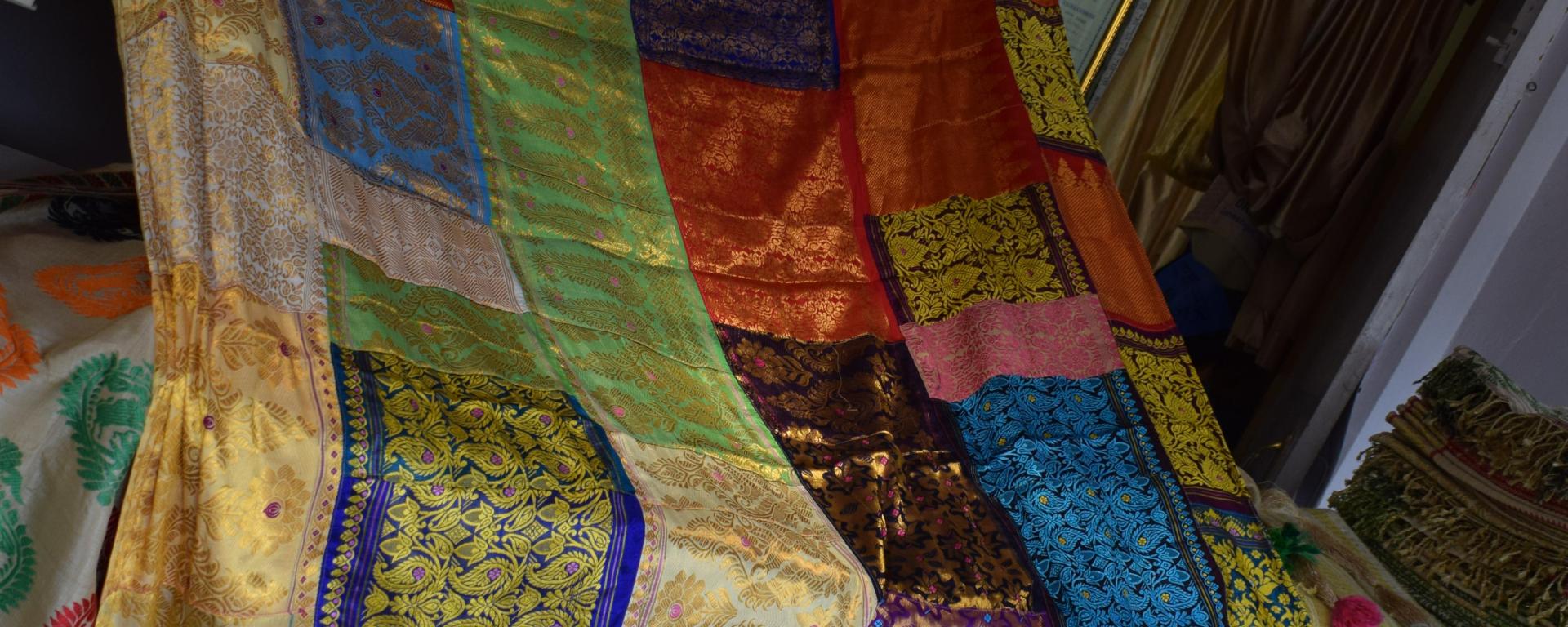
A gateway to Northeast India, Assam mesmerizes with silk handlooms, green gardens and Ahom heritage
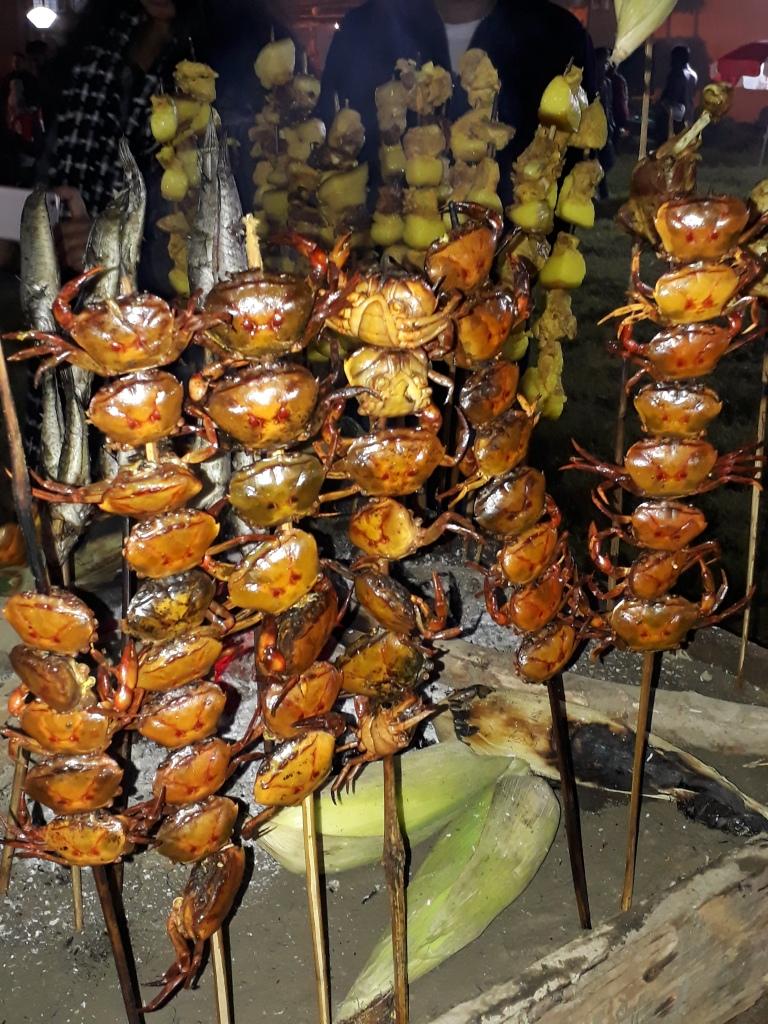
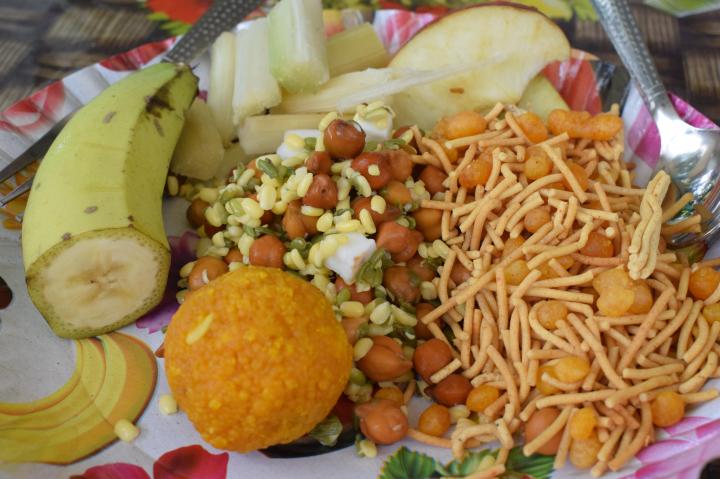
Even as the shouts of excitement grew stronger on the stage, I kept clicking pictures of the crabs being cooked on bamboo sticks. A stick on five cost INR 100. Youngsters ruled the evening — around the performance area and the food stalls. Rice beer, live grills, organic tea and more dotted the grounds of Srimanta Sankardev Kalashetra in Guwahati at the Rongali festival. This was 2018.
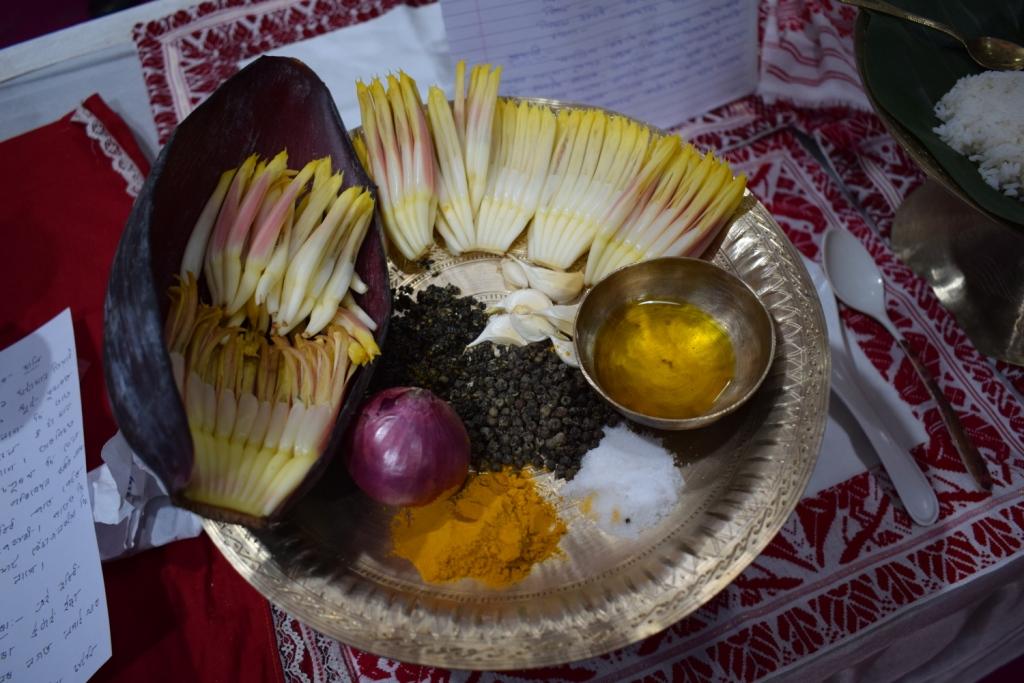
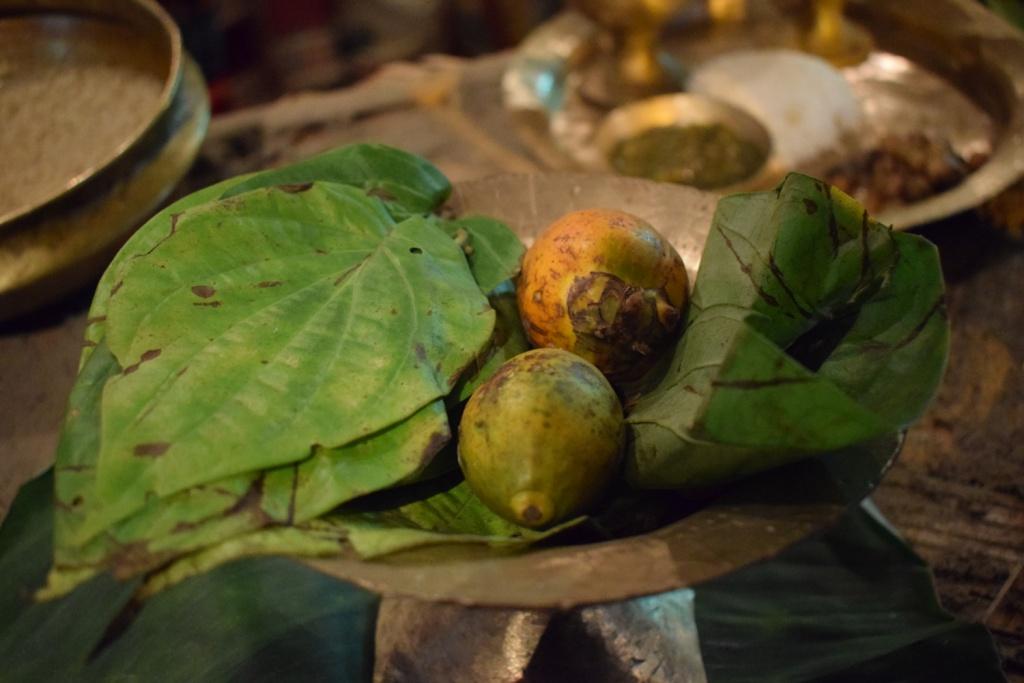
Guwahati is a crowded city, and fascinating as it moves between the old and the new. As the state’s capital, it is the hub of activity. So, from Guwahati, we packed into a bus and explored the green state to find some hidden treasures, hitherto not a part of most tourist trails.
Sualkuchi: The Silk Weavers’ Block
Getting here on Bihu, (shift of equinoxes when sun moves into Capricorn), was not a good idea. The weavers were busy celebrating and most units were closed. Lesson: avoid travelling on local festival days or stay there for a day to enjoy the festivities with the locals.
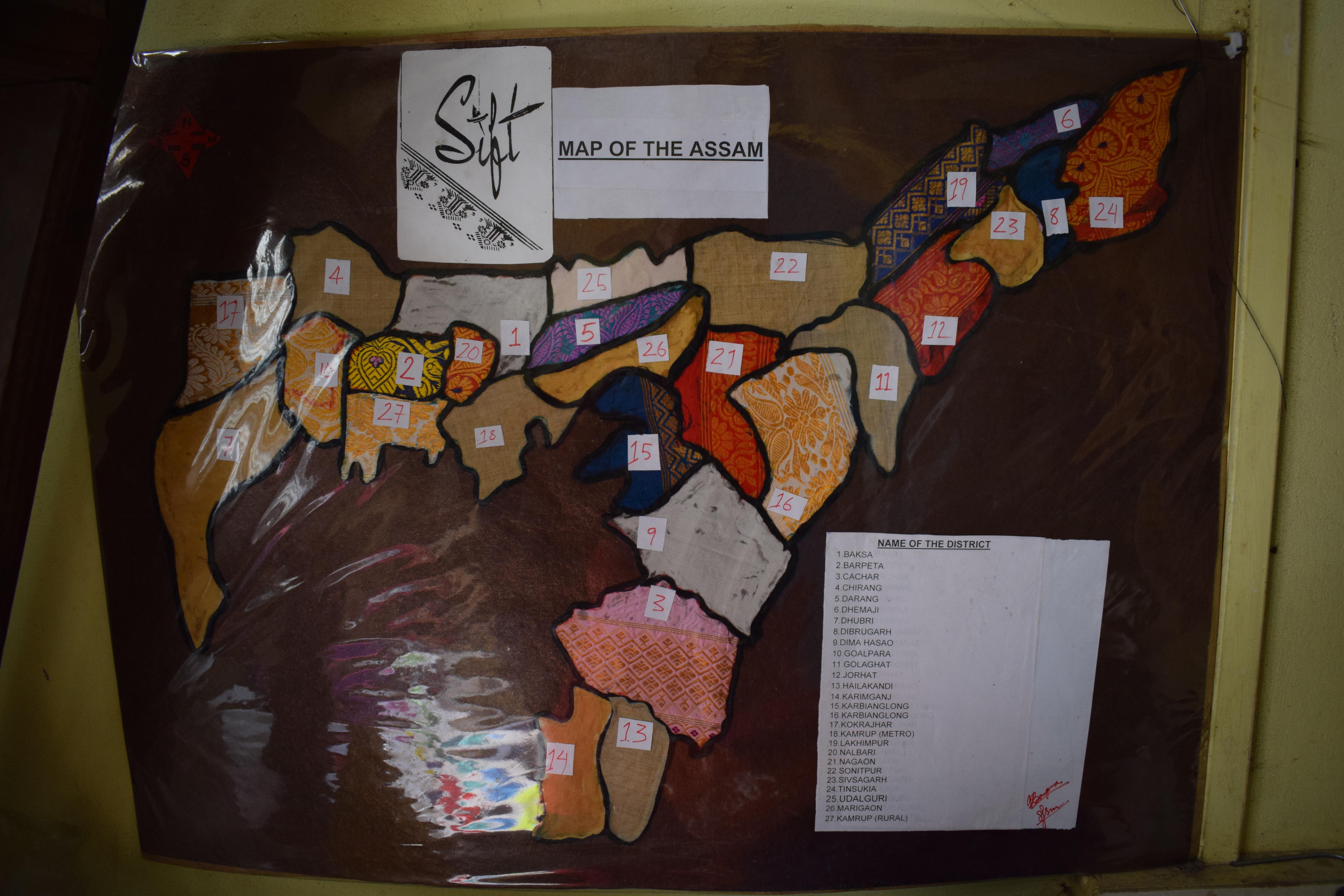
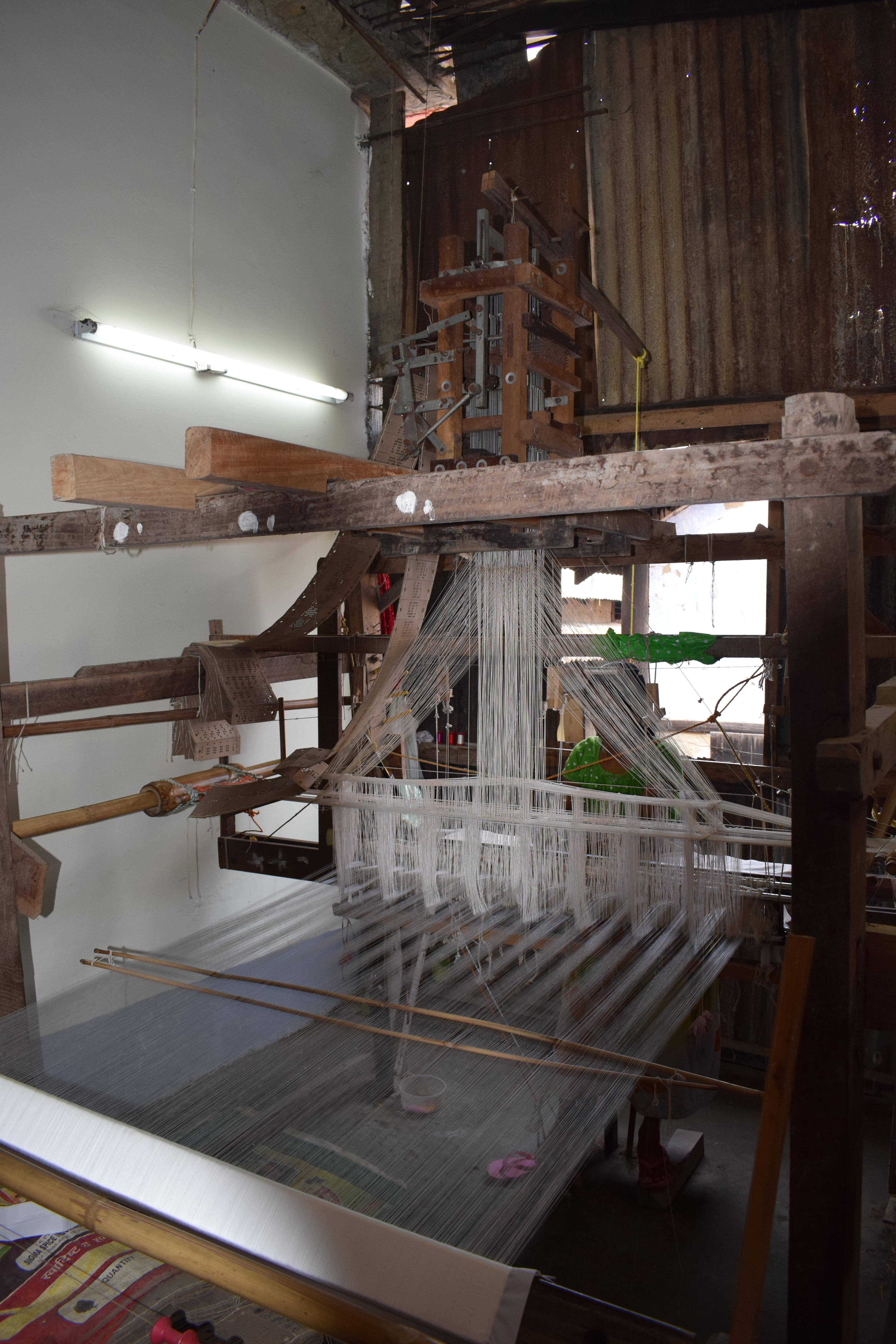
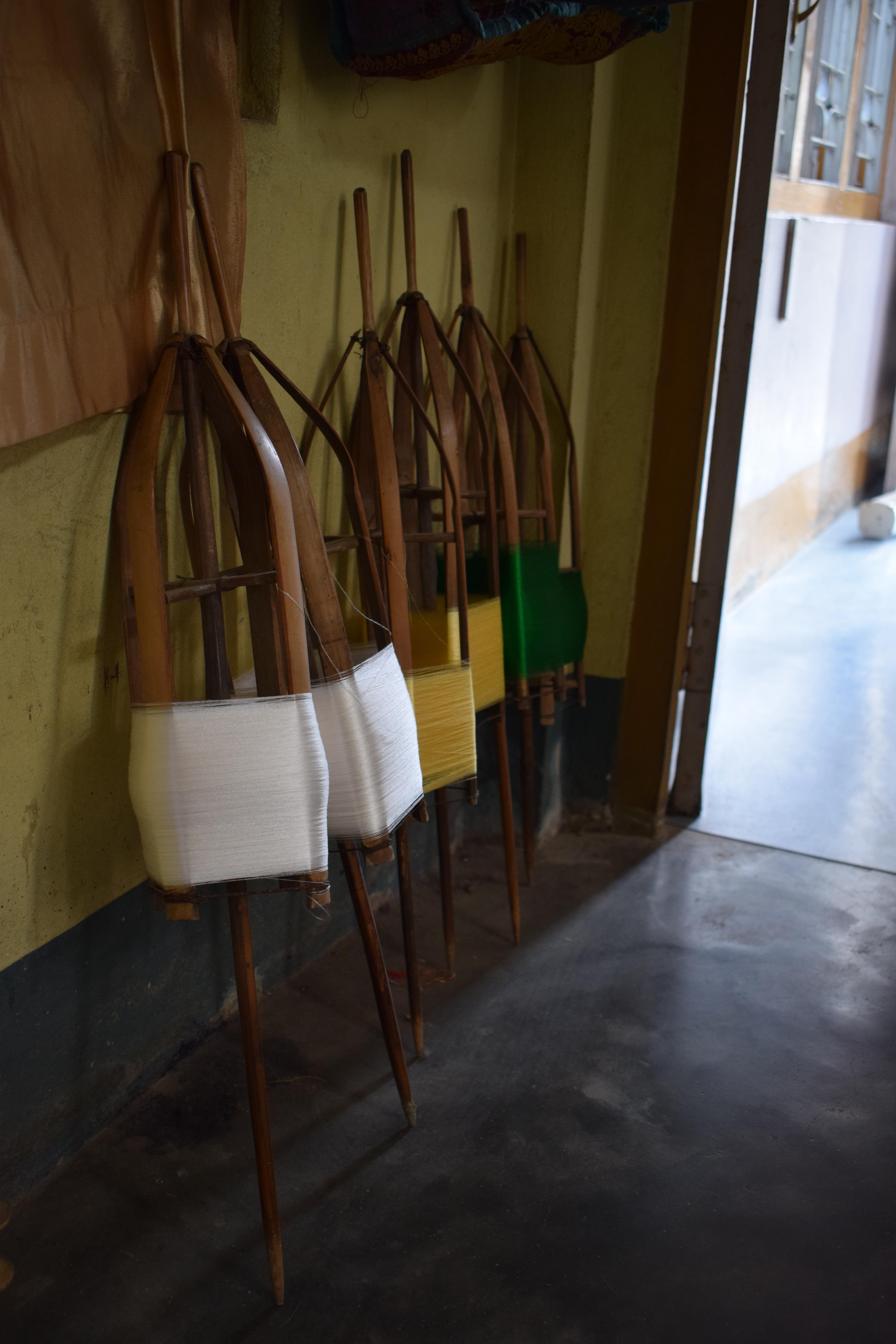
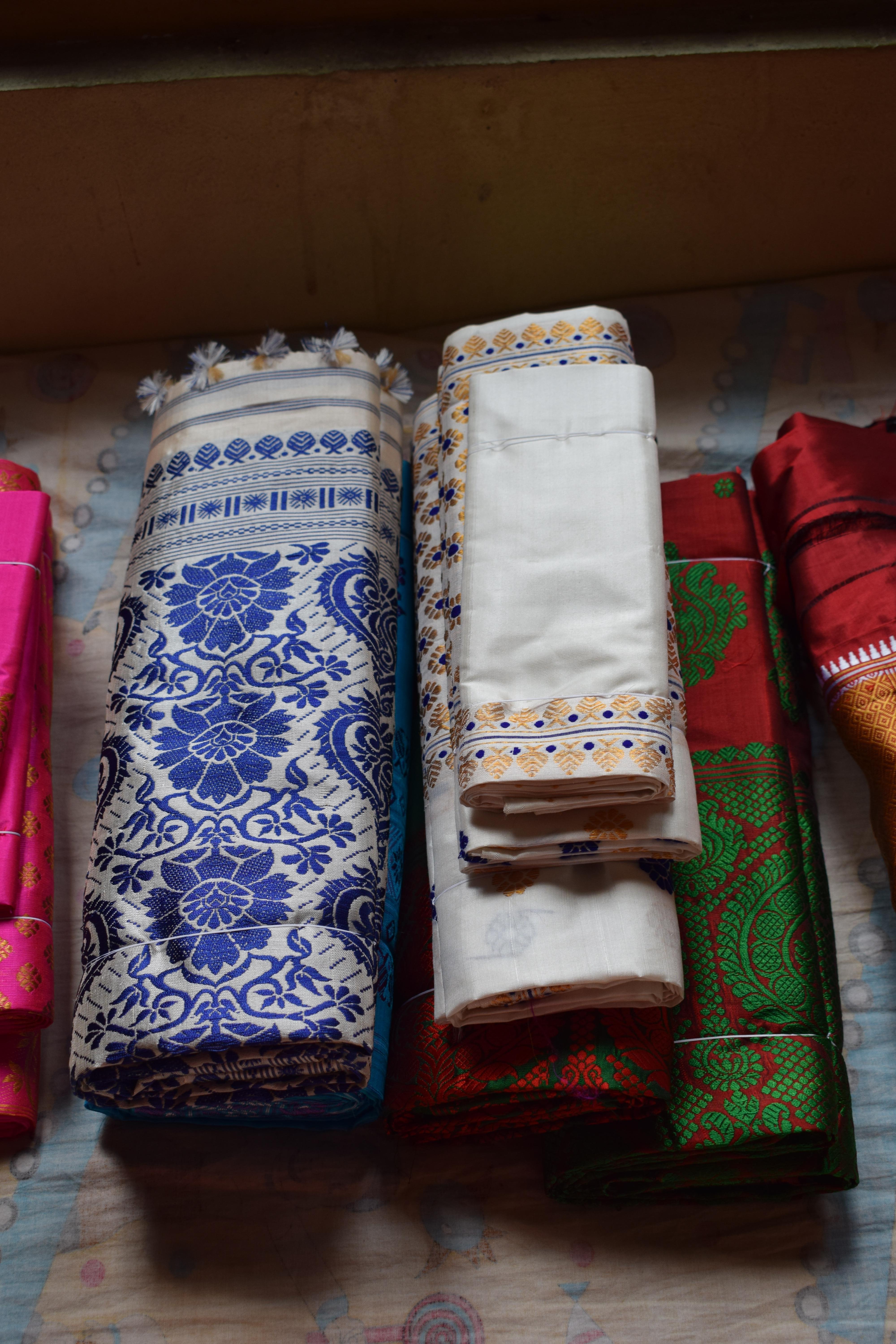
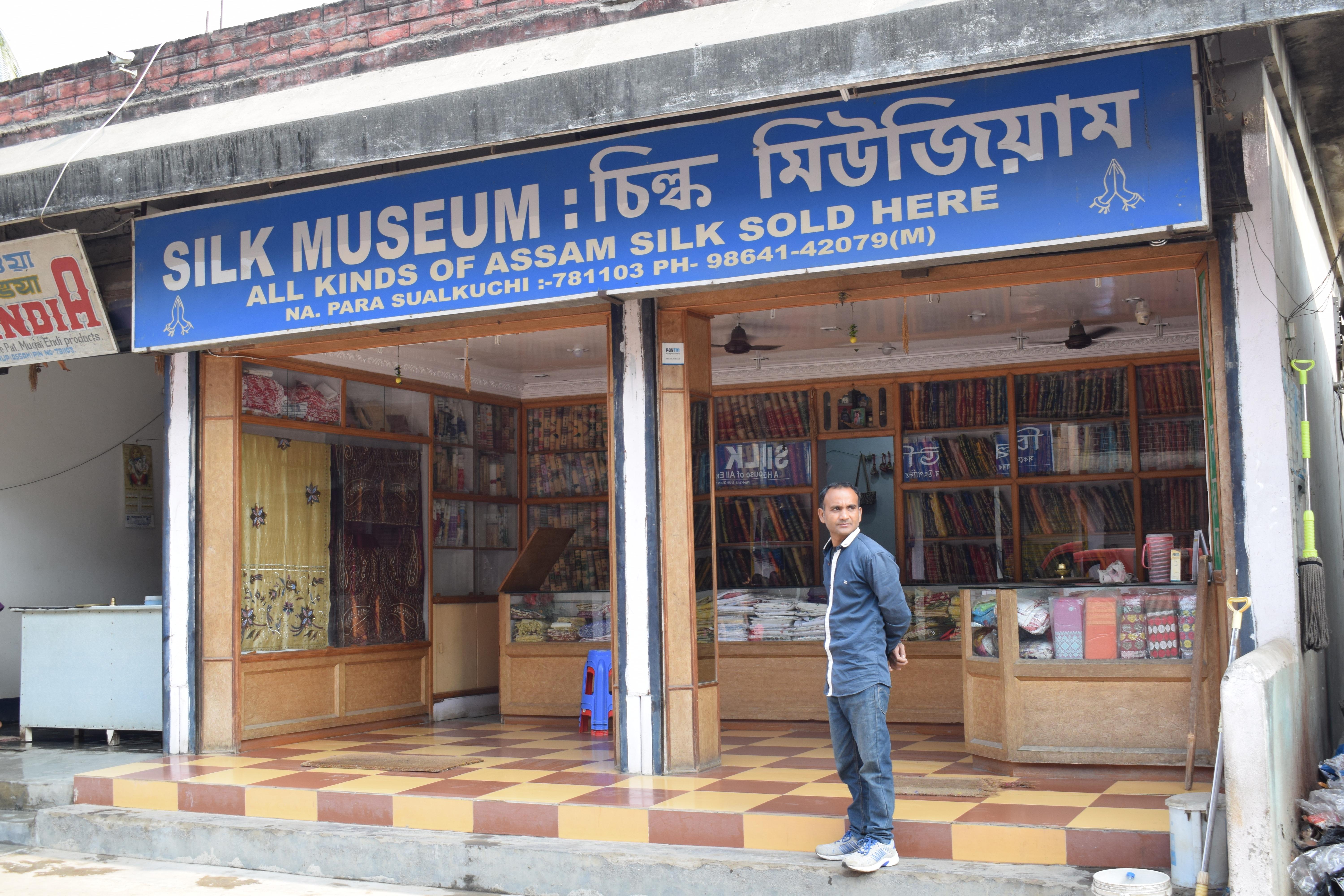
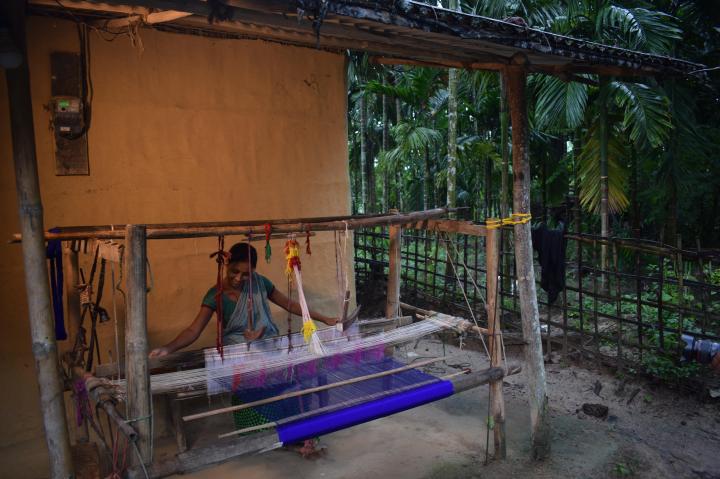
Located in Kamrup district, this is known as the ‘Manchester of Assam’. It is home to many cottage industries, the most well-known being Muga, Pat and Eri silk. Muga is the most expensive, and mulberry, eri and tussar are within an affordable range. The purity of silk is ascertained by a laboratory test and a label is put.

While most weavers were holidaying, we did manage to find one open in Kalitapara. The owner, Hari Lal Kalita, showed us some beautiful products — slippers, umbrella, sarees, stoles. Only one weaver was on the loom. The price ranged from INR 1,000 to INR 80,000, depending on the time, the weave and the final product, explained Kalita. He has an old machine as well as one with the latest technology — the only one in the entire area, he claimed.
Sivasagar: land of the ahom kings
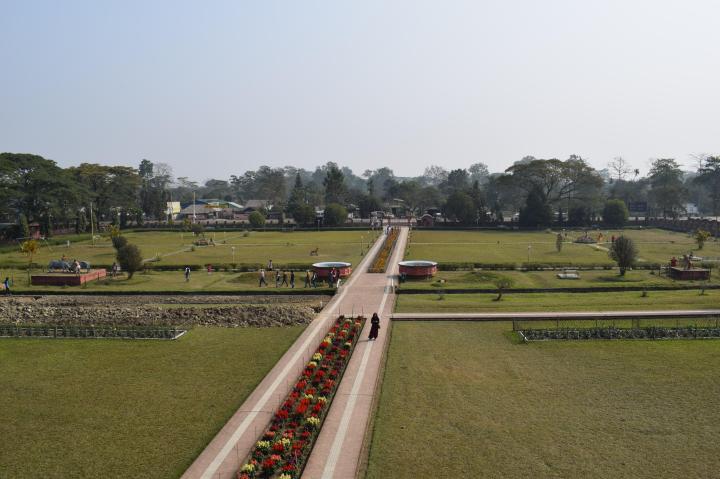
The ancient structures of Sivasagar gave us a glimpse into the life of the Ahoms. This was the capital from 1699 to 1788. The Ahom dynasty ruled Assam for almost six centuries before the empire fell in the hands of the Burmese in 1819. Then it was known as Rangpur.
We only got an hour here and saw three monuments, but it’s a place with stories and those can only be explored when you come at ease.
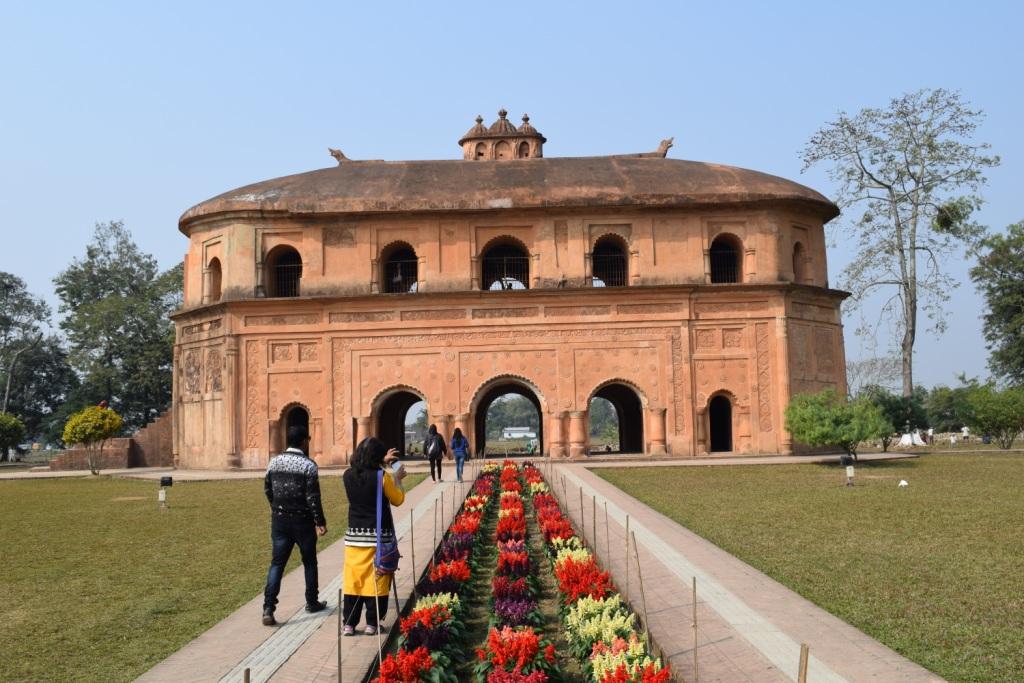
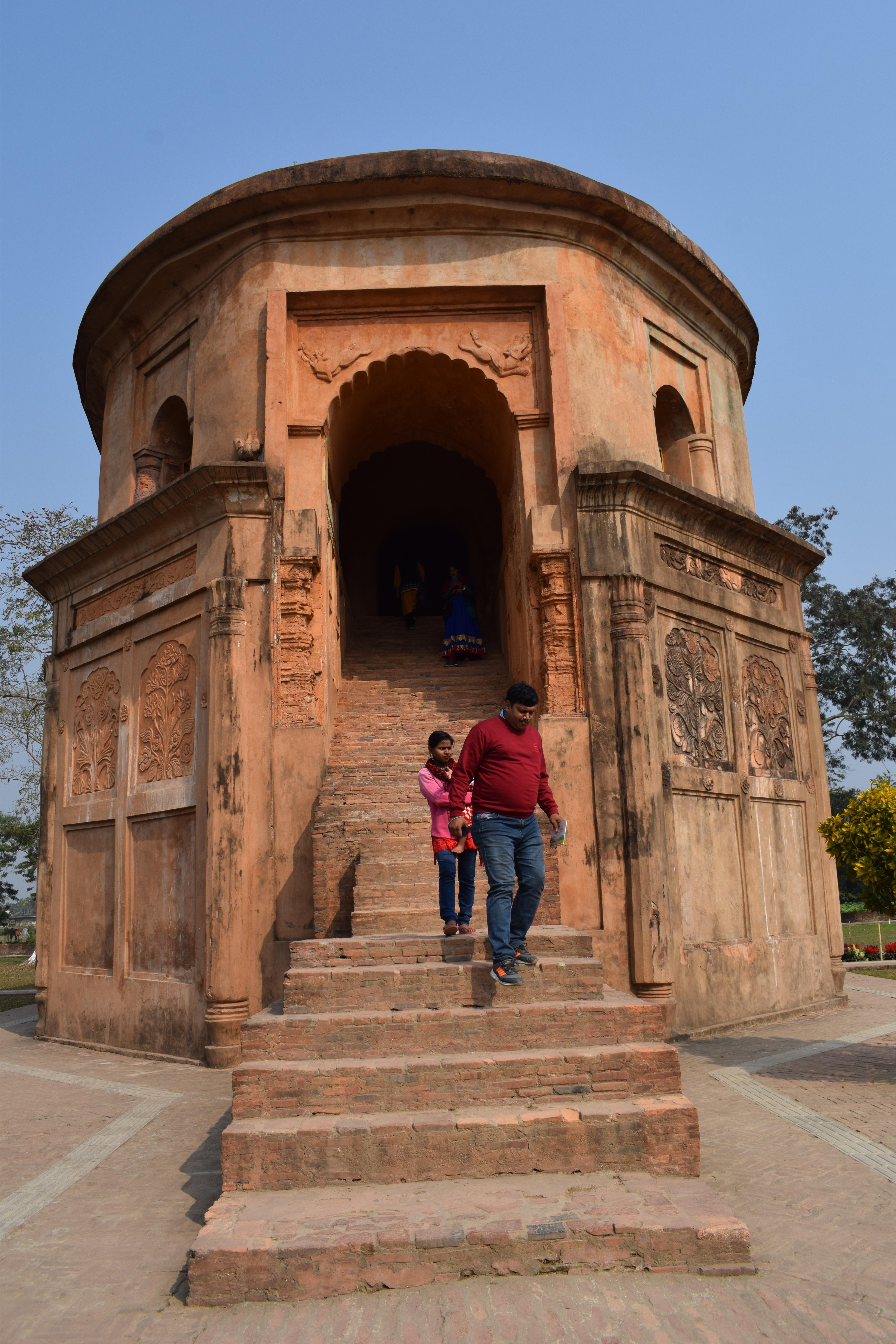
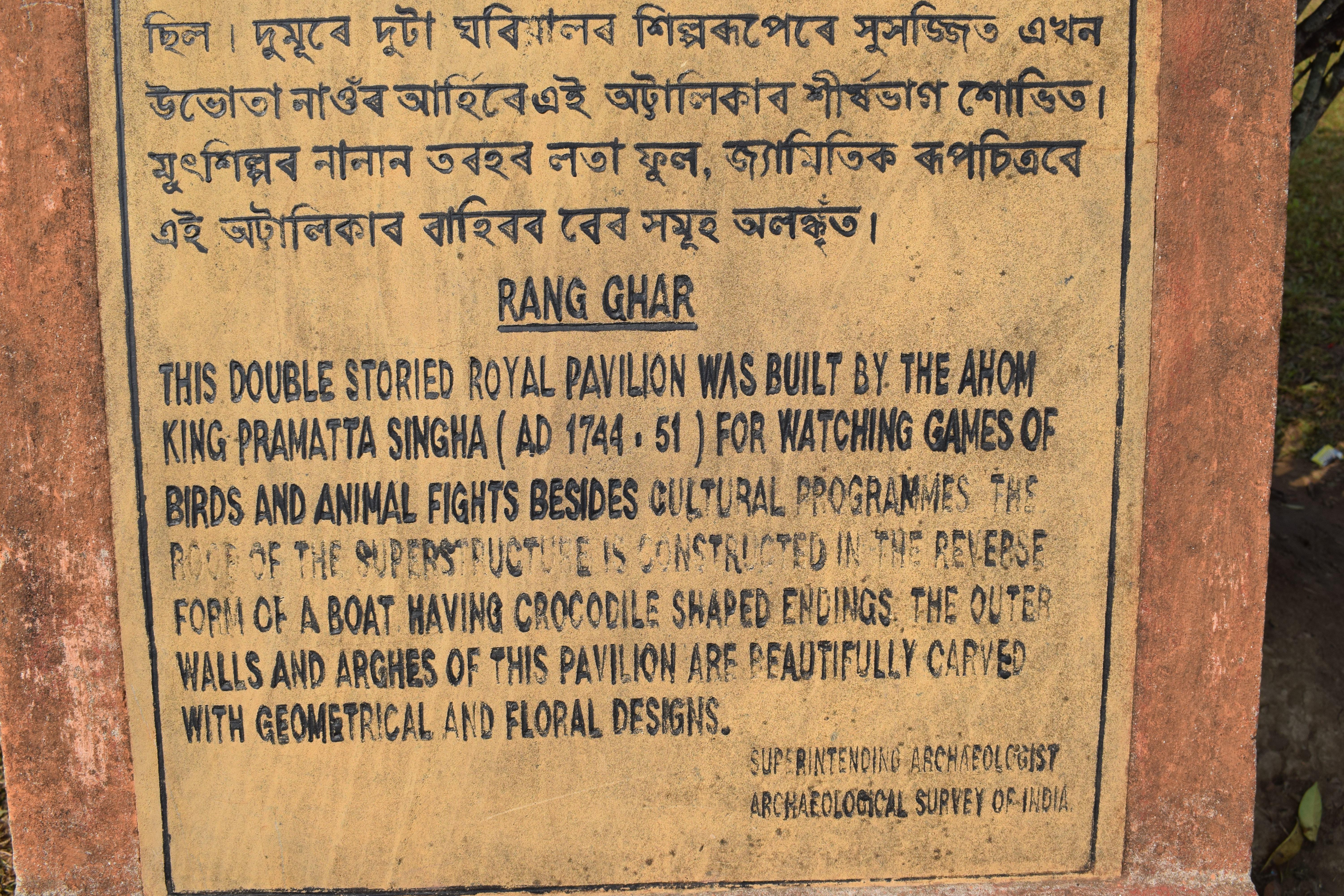
Armed with a ticket, I walked through the manicured lawns of Rang Ghar. Rang means color and the place was an amphitheatre where the cultural colors exploded. The double-storied, red oval structure had a roof shaped like an inverted boat. Constructed by Swargadeo Pramatta Singha, this is believed to among the largest of amphitheaters of its time.
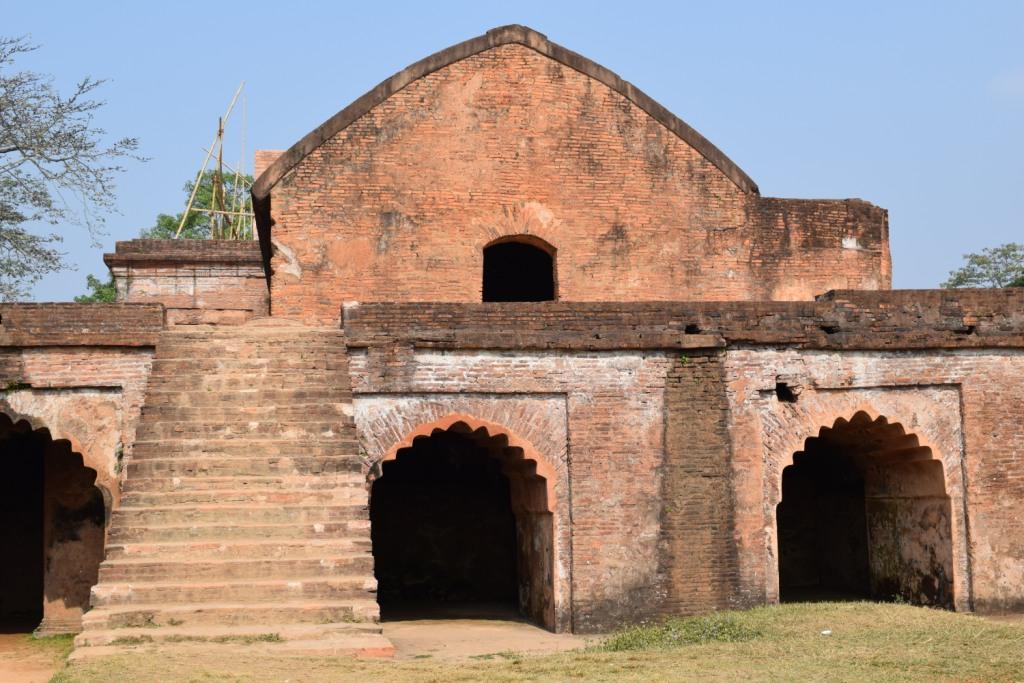
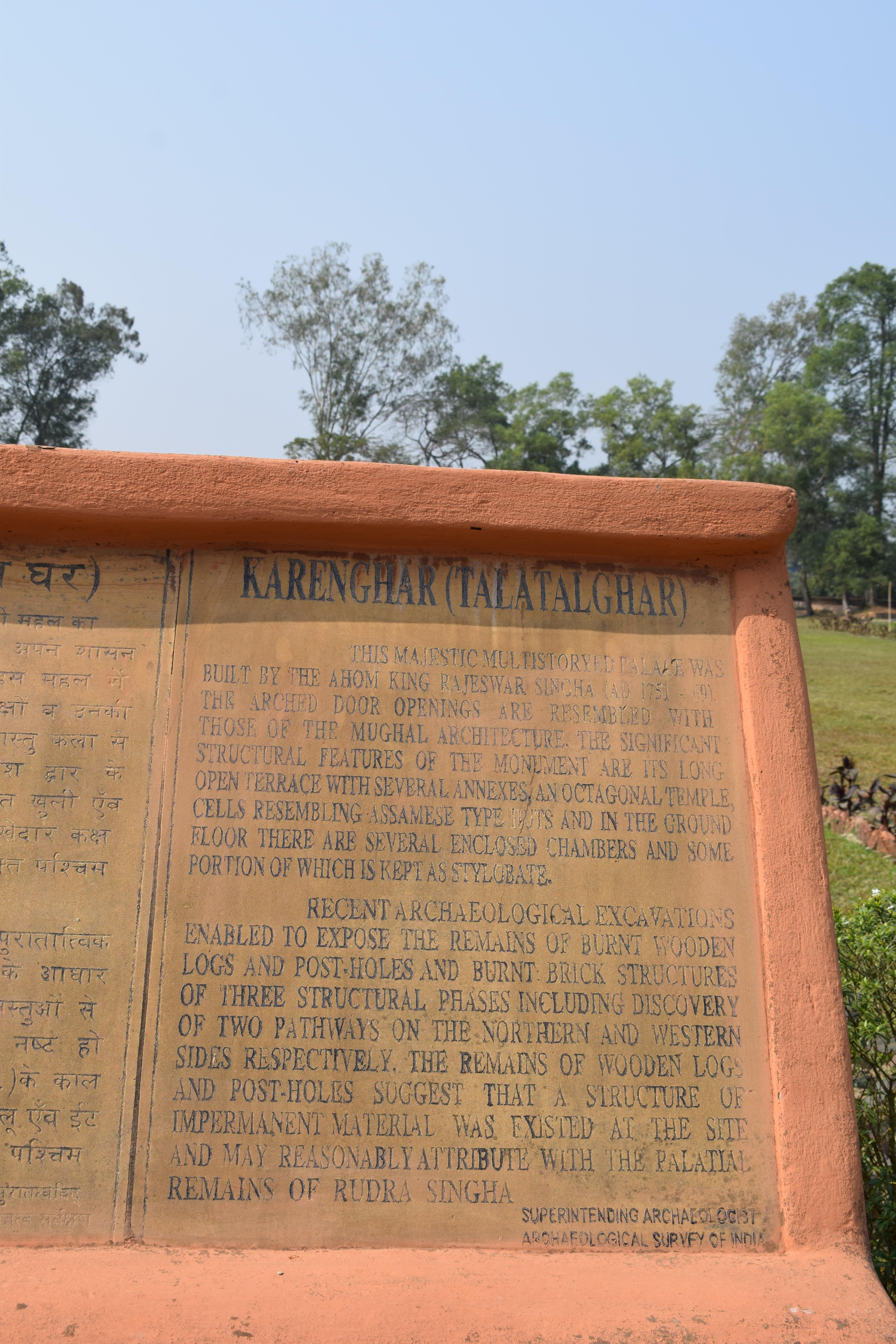
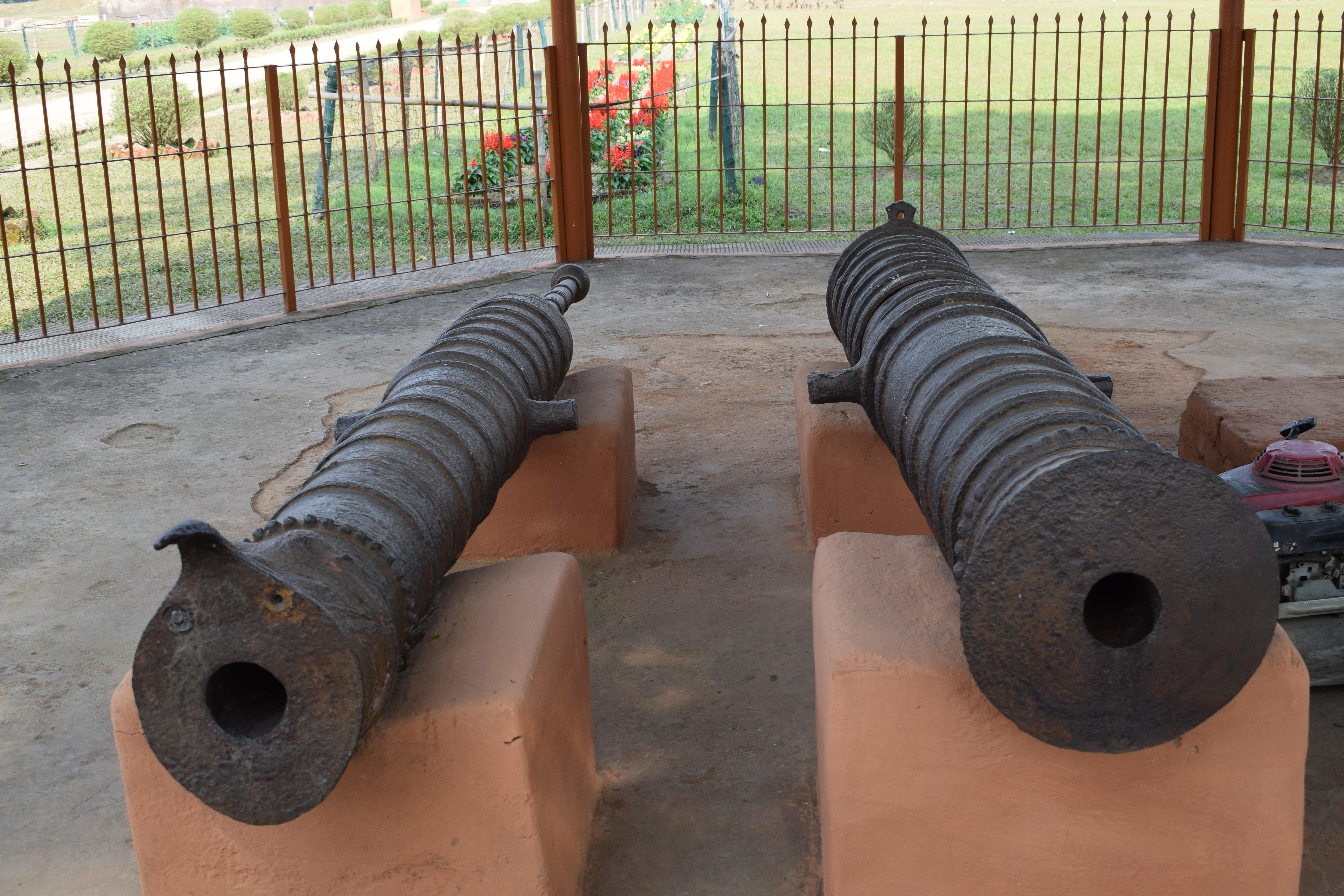
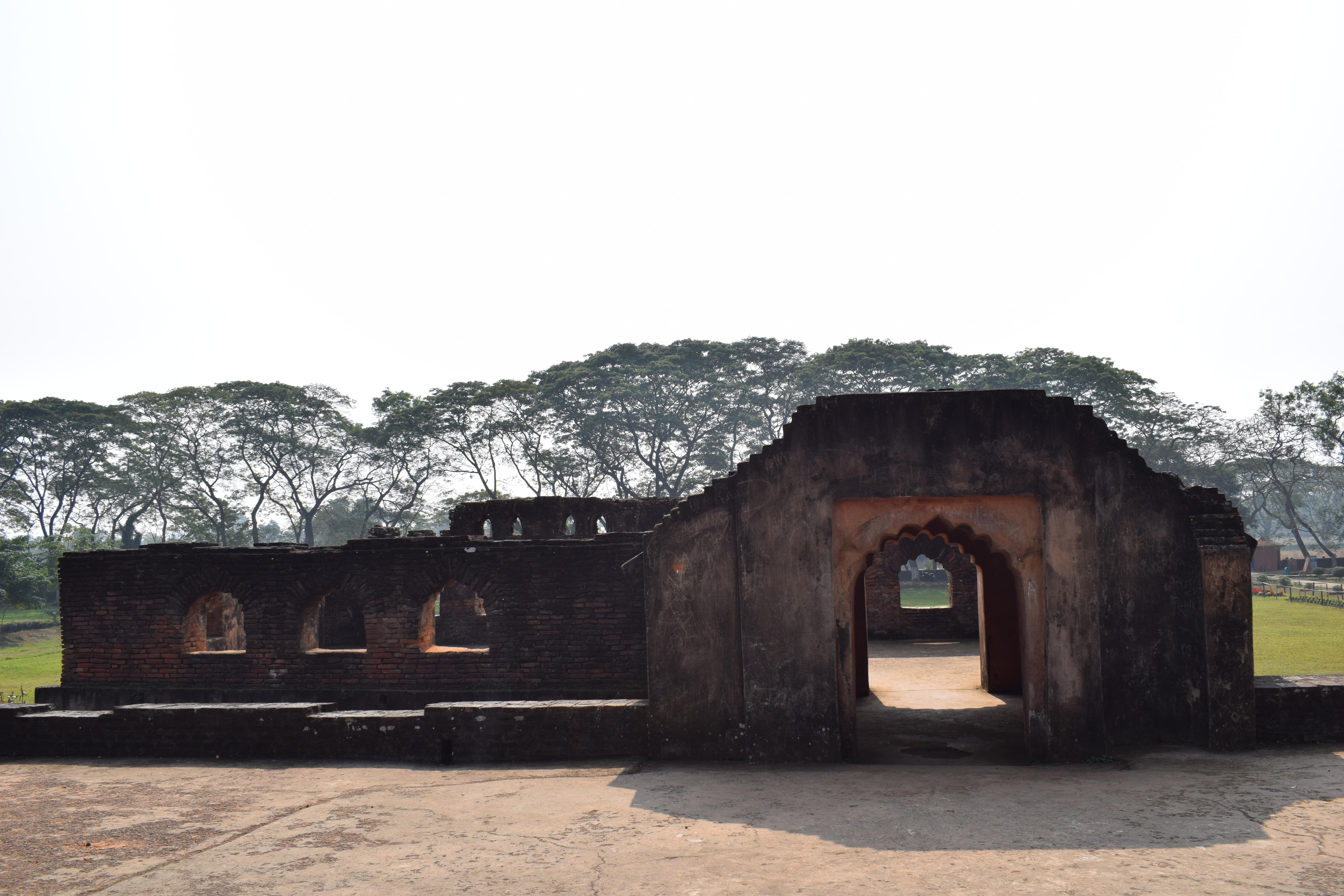
Our next stop was the Talatal Ghar, a palace built as an army base. The two secret tunnels and three floors below ground level as exits during wars gave it this name talatal, which means underground.
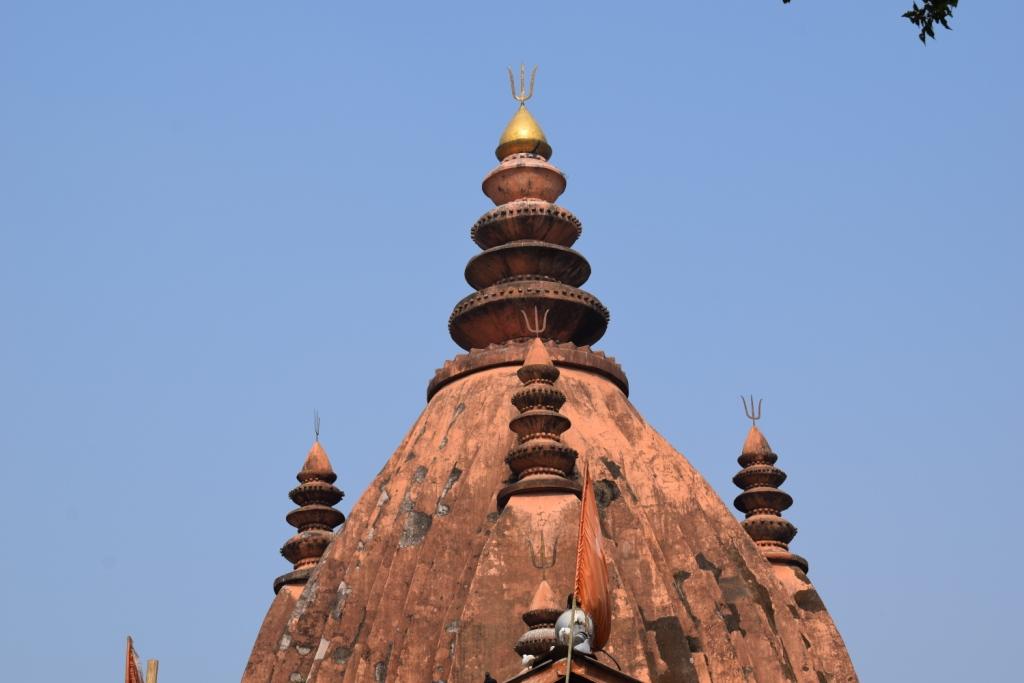
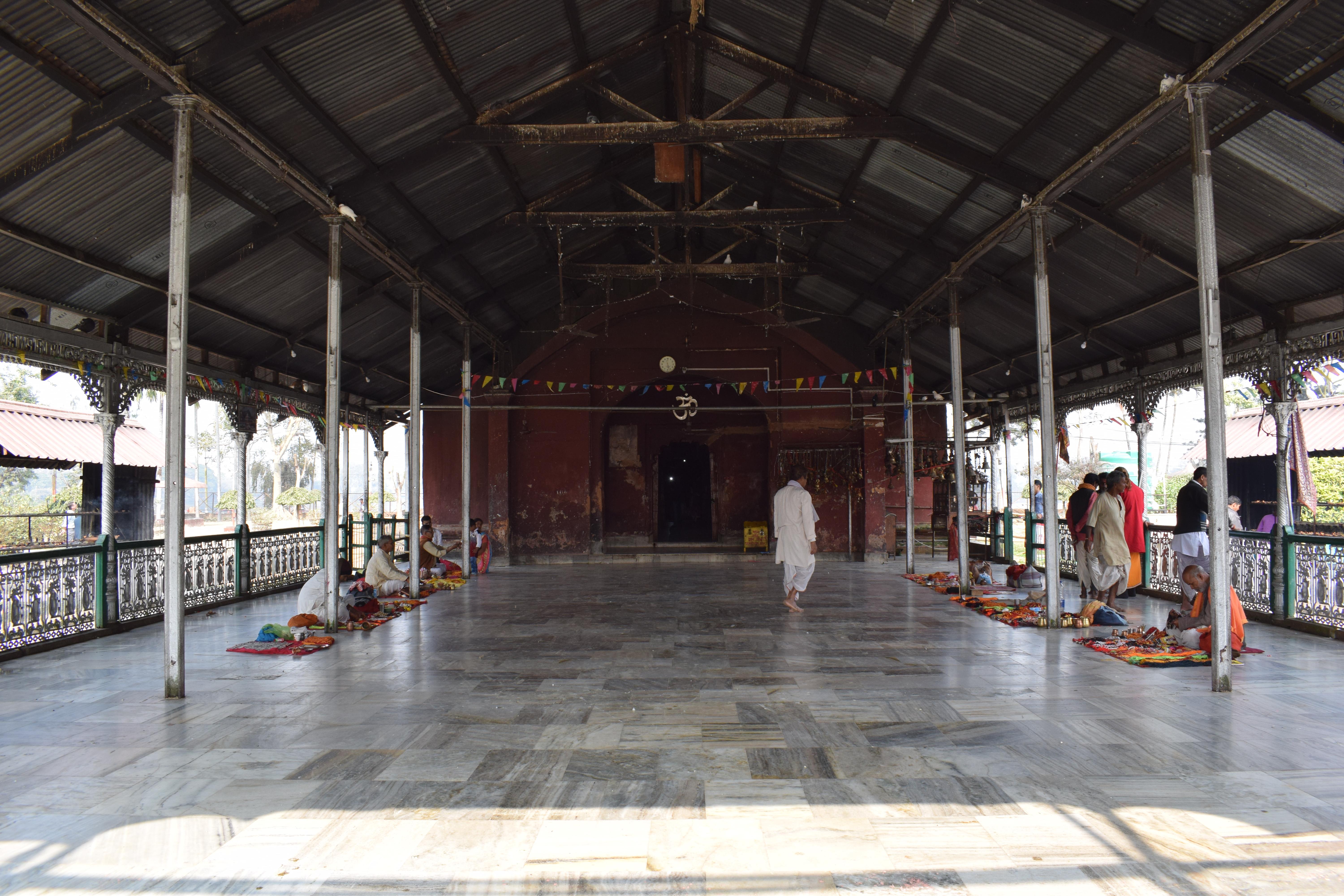

Finally, the most famous temple, Sivasagar Sivadol with its golden dome, turned out to be quite an end to the trip. Built in 1734 by Kuwori Ambika, wife of Swargadeo Siba Singha, this temple houses a sanctum dedicated to Shiva. There are separate spaces for his wife Parvati and the preserver Vishnu in the same complex. Behind this is Joysagar, which is the believed to be the biggest man-made lake in the country. It was built by Swargadeo Rudra Singha for his mother Joymoti.
Numaligarh: Butterfly Paradise
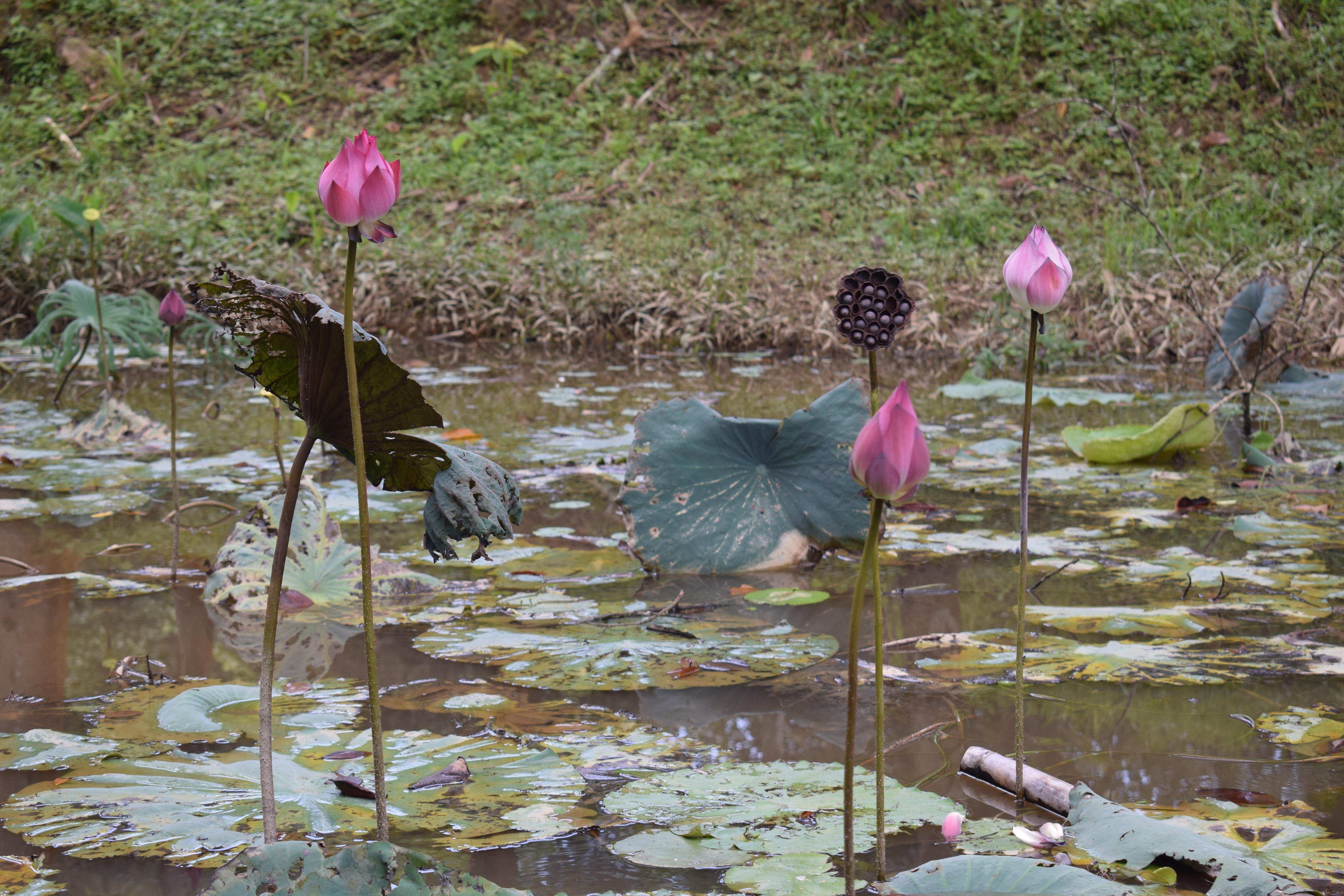
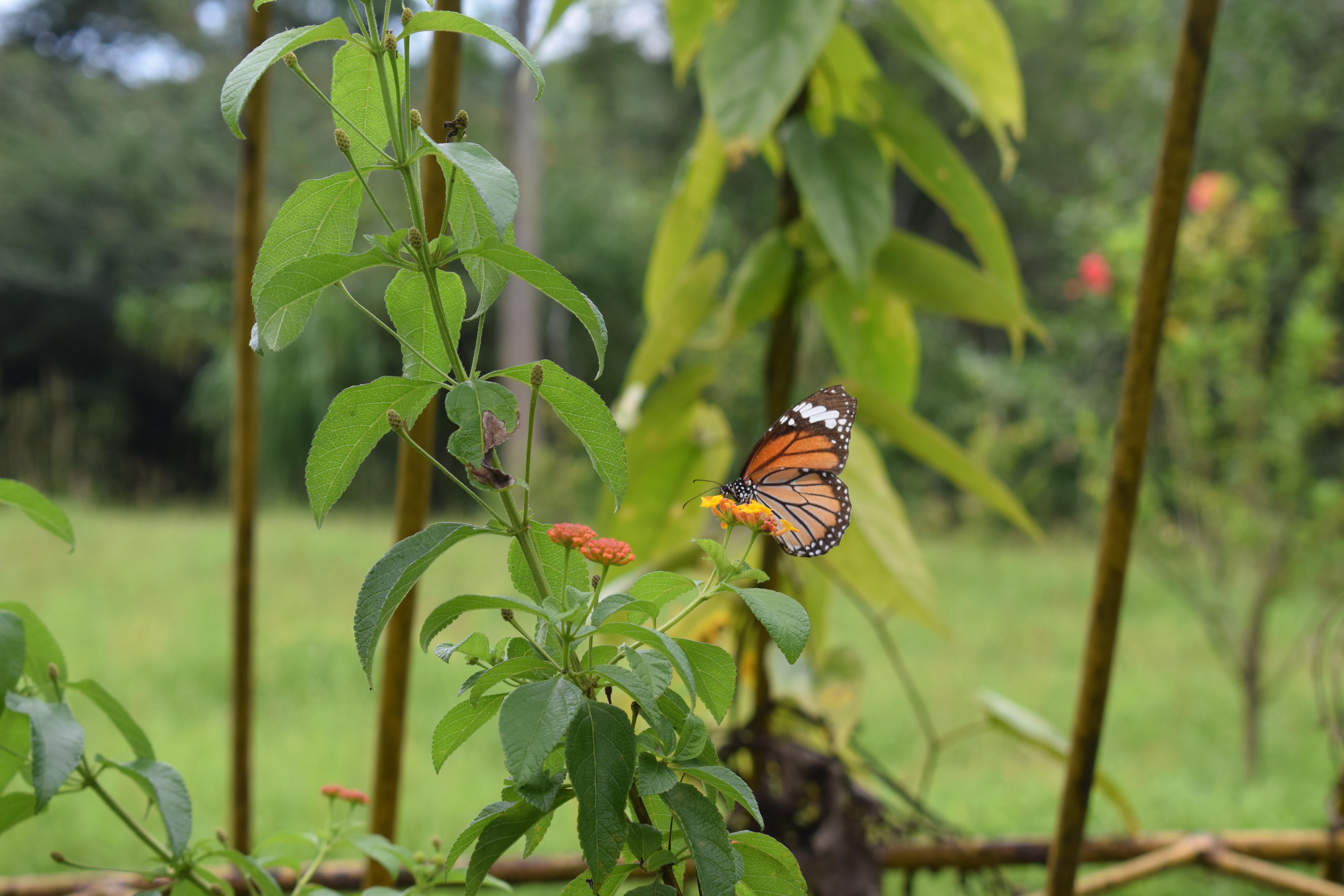
This was a work trip to the Numaligarh Refinery in 2019 and we stayed at the guest house there, surrounded by tea gardens. We didn’t get a chance to explore the ancient Deopahar archaeological park-cum-site with a museum or the famous Shiv Temple. But as the secret butterfly garden is under the purview of the oil refinery, we did get that gate opened. The green floral space was a delightful walk.

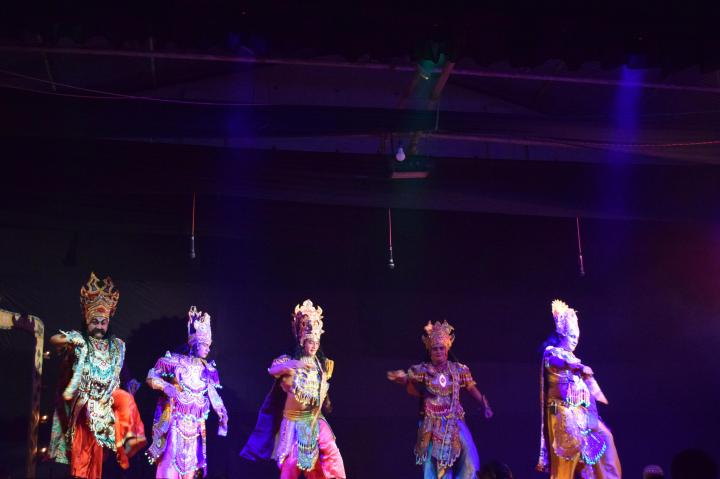
Then, at night, we enjoyed a round of ‘Bhaona’ at a neighbouring village. These one-act plays are held late at night, starting around 9-10pm and ending at 3-4 am. We went for a short while only. This traditional entertainment with religious messages originated in the 16th century, under the guidance of saint, scholar and social reformer Srimanta Sankardeva. Popularly known as Ankiya Nats, they are staged at satras and namghars, that is the sacred spaces. They are perfomed in Assamese and Brajavali languages and special characteristics are dialogues, costumes, ornaments, entry and foot-steps of the characters.
We reached Numaligarh, located in Golaghat district, via Jorhat airport, which is just a 50 km drive from there.
Of course, Assam is more famous for Kaziranga National Park (home of the one-horned rhino), tea gardens, Majuli Island, Kamakhya Temple, and I have been there as well. However, there’s a lot to Assam that can be explored, and some day, I shall discover those hidden parts. After all, Assam is a 365-day destination, loaded with culture, old world practices and lots of forest land.
How To Reach Assam
By Air: You can take a flight to Lokpriya Gopinath Bordoloi International Airport, also known as Guwahati International Airport. Some international flights for the northeastern states also land here.
Best way to explore Assam
The state is best explored by road. Once can hire taxis or mini-buses, depending on the number of people from Guwahati.
Where to stay in Assam
In Guwahati, we stayed at the Radisson. We only did day trips to Sualkuchi and Sivasagar. For Numaligarh, you can stay at Borgos Resort in Golaghat (close to Kaziranga National Park).
Things To Keep In Mind
1. Preferably wear cotton clothes and keep yourself covered. Do carry some woollens, if you are coming in winter.
2. Carry a water bottle, some places are not clean.
3. Carry some sunscreen, medicines and first-aid kit. Mosquito repellants are a good idea.
4. Keep your passport under lock and key. Keeping some photocopies though is a good idea.
5. Bargaining is a good idea in the market. Keeping some cash handy works.
6. There are many beggars but it is not a good idea to encourage them.
7. Locals ask for money if you want to take their photographs, so change is handy. It’s better than begging.
8. When trying street food, make sure you have a strong stomach.
9. Everyone pretends to be a guide, but is not. You can ask for credentials.
10. Temples are sacred spots and keeping them that way helps. Donations are an individual choice. Please do not get shocked at the practices in these temples, as some of them follow the ancient ritual of animal sacrifice.
11. Tips are welcome. Normally a 10% works well. But you can choose to give as per your discretion or not give also.
12. Do carry a pair of binoculars for the region is a paradise for bird and wildlife lovers.
13. While Assamese is the state language, people do understand Hindi. You will need interpreters for English.
To know more, check Assam Tourism Development Corporation
For visa to India, check https://indianvisaonline.gov.in/visa/index.html
For forex, https://www.bookmyforex.com/ Currency change is also available at the airport. You can even check tour agencies such as Thomas Cook.
I’m participating in #BlogchatterA2Z

 Queen of Treasures
Such an information-rich content. The photos add value to the content. 👍
LikeLiked by 1 person
That’s as detailed a post as possible! Assam has a lot of charm with its immense cultural variety.
LikeLike
THE NOrtheast is a treasure. I hope to see more of it in the future.
LikeLike
Loved this little sojourn into Assam. My parents lived there many years ago and I have heard a lot of stories about it. It’s indeed a beautiful place.
LikeLiked by 1 person
I hope you do visit some day!
LikeLiked by 1 person
North-Eastern states have been a point of intrigue for me as I haven’t got a chance to explore them yet. Your post has rekindled the fire to visit them soon. Thanks for the useful tips. They will surely come in handy when I plan.
LikeLiked by 1 person
Yeah..from Assam you can easily see all the northeast ..especially Meghalaya and Arunachal
LikeLike
What an informative post on Assam just when we were planning to visit Assam! Sualkuchi and its silk products are interesting especially the silk umbrella. I would love to visit Numaligarh and enjoy the walk through the tea gardens and butterfly gardens. I will definitely include Kaziranga and the one-horned rhino in my itinerary. Thanks for tips on mosquito repellents, sunscreen and keeping the passports under lock and key! Great blog post:-)
LikeLiked by 1 person
We sure did love the smells, colours and tastes we fond in night markets. But we never got to see the silk industry of Assam. It was wild to read about the variation in prices! You certainly saw a lot on your visit to Sivasagar. But I could not sit through a one act play that went until 3 or 4am.
LikeLiked by 1 person
The native cultural programmes are quite amazing, very different from city entertainment. Personally, I sat for an hour only.
LikeLike
I heard about silk industry from Assam many times. Too bad you visited on the wrong day, so you couldn’t see the weavers working, but one. And I don’t understand why the one-act plays started late at night. I wonder if tourists could stay that long to watch a performance until 3-4 a.m.
LikeLike
LikeLike
I love places where you can do sightseeing, experience nature and go out in the evening! And this fits the bill. Good that there was at least one weaver working even on a holiday. I also had this experience, going somewhere to see traditional artisans, only to find out they are not working on this particular day.
LikeLiked by 1 person
It is nice to know that there is so much to see and do in Assam. Appreciate the tips you shared. I am not sure about trying the street food since I have a sensitive stomach but will surely allot a schedule to visit the Numaligarh since I love butterflies.
LikeLiked by 1 person
Wow, Assam is such an interesting place and thanks for sharing so much about the culture, tradition and street food. Would love to explore there myself some day – knycx journeying
LikeLiked by 1 person
Your vivid description of Assam is truly captivating! From the bustling excitement at the Rongali festival in Guwahati to the serene beauty of Sualkuchi’s silk handlooms and the rich history of Sivasagar, you’ve captured the essence of this fascinating state. I especially loved reading about the traditional Bhaona plays and the secret butterfly garden at Numaligarh. Your travel tips are incredibly useful for anyone planning a visit. Thank you for sharing such a detailed and engaging account of your journey through Assam!
LikeLiked by 1 person
A richly detailed and immersive travel narrative that beautifully captures Assam’s history, culture, and everyday life. The blend of heritage sites, local traditions, and practical travel tips makes this an engaging and useful read. Truly inspires readers to explore Assam beyond the usual tourist trail.
LikeLiked by 1 person