

This city on the shores of the mighty Brahmaputra never sleeps. It is the buzzing hub that connects the exotic northeastern states
A city of contrasts where modernity and rich cultural heritages blend, Guwahati has the 12th busiest airport in India. It is within the city that Dispur, the capital of Assam, is located. Its roots are traced to the 1st century CE and it is even mentioned in the Kalika Purana.
For me, Guwahati was a noisy, crowded city where everything seems to be in construction mode. Nevertheless, it hides a lot of good places to see and experience, and we managed to go to some of them. I have been there three times and all these places I explored in the three trips.
Umananda Island Temple
River cruises are thrilling, even short one from one ghat to another and Umananda temple is among the most visited ones there. On the first trip, I got a ferry from one point. But the next time, the ghat had changed and we walked over two kms to reach the new point. The walkway along the Brahmaputra was beautiful no doubt, but if you are in a hurry, then it’s best to take an auto.


The ferry runs every few minutes and takes only a limited number of people. You could go in a private boat, should you wish that and also take a big circle of the river in the process. The private ferry costs Rs 100 for a 10-minute ride to the island, and the government one costs Rs 22. There is the ropeway too, but I haven’t tried that.
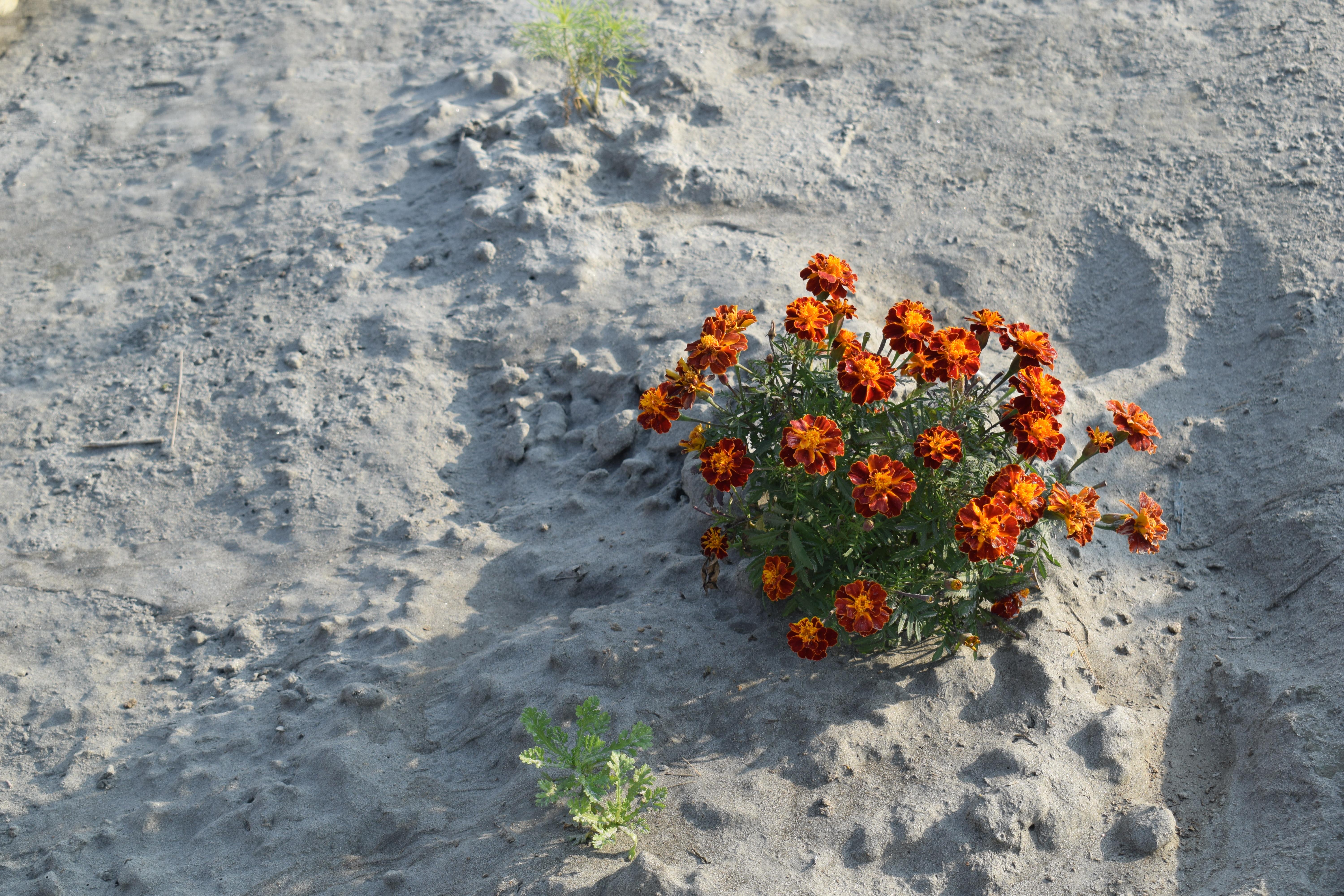
Guwahati isn’t a dull city, it’s forever buzzing. The sandy shores of the Brahmaputra aren’t very clean, but even then, I saw a small sand garden.
We finally reached Umananda Island, which is a small riverine peacock-shaped island housing a temple dedicated to Lord Shiva and Goddess Parvati. It’s smallest inhabited riverine island in the world with a tea shop, vendors selling cheap souvenirs, platter of fresh pineapple, and even a picture spot wearing traditional Assamese dresses.
The island is named Peacock because of its shape, but legends call it Urvasi. Constructed by the Ahom King Gadadhar Singha (1681–1696) in 1694, the legend of this sacred space goes back to Kalika purana. It was here that the god of desire Kamadeva disturbed Shiva’s meditation and was burnt to ashes when Shiva opened his third eye in anger. Hence, the hill is named Bhasmacala (bhasma means ashes). A small shivalinga lies in the womb here, you have to climb down, where the god is said to have taught his wife Parvati (whose name is also Uma).
The scripture also says that goddess Urvasi, who is responsible for bringing nectar to goddess Kamakhya, stays here. The original temple was destroyed by an earthquake in 1897. It was reconstructed by a local merchant later, who believed in the preserver Vishnu. Now, the temple houses the 10 avatars of Vishnu, besides the Shiva family. The temple was even patronized by Mughal emperors Jahangir and Aurangzeb.
Assam State Museum


This is also close to Umananda Ghat. In fact, some of the major attractions are in this area. The museum’s founder is Kamrupa Anusandhan Samiti. It was opened by Sir Robert Reid, the then Governor of Undivided Assam, on April 21, 1940. It has galleries dedicated to epigraphy, sculptures, natural history, art and crafts, anthropology, and folk art and arms. There is an entry fee and camera charges.
Dighalipukhuri park

This hotspot is right in front of the museum. It’s a family place to enjoy picnics and boating. We walked around it to enter the open-air Guwahati War Memorial, which opened in December 2016. This has a replica of the ‘Amar Jawan’, an army tank donated by the Indian Army and Indian Air Force. The Great Sariaghat Battle between the Mughals and the Ahoms is also portrayed here. There are sculptures on a boat showcasing war scenes in water, scenes from the Kargil war, the attack on Karachi by Indian Navy in 1971 and the Sino-Indian war.
Mahabahu Brahmaputra River Heritage Centre
From the park, we took a short a 20-minute walk, and reached the beautiful environs of an old bungalow. This heritage centre was once the Deputy Commissioner’s bungalow on top of a hillock. The Guwahati Metropolitan Development Authority transformed the entire area into this beautifully landscaped heritage centre.


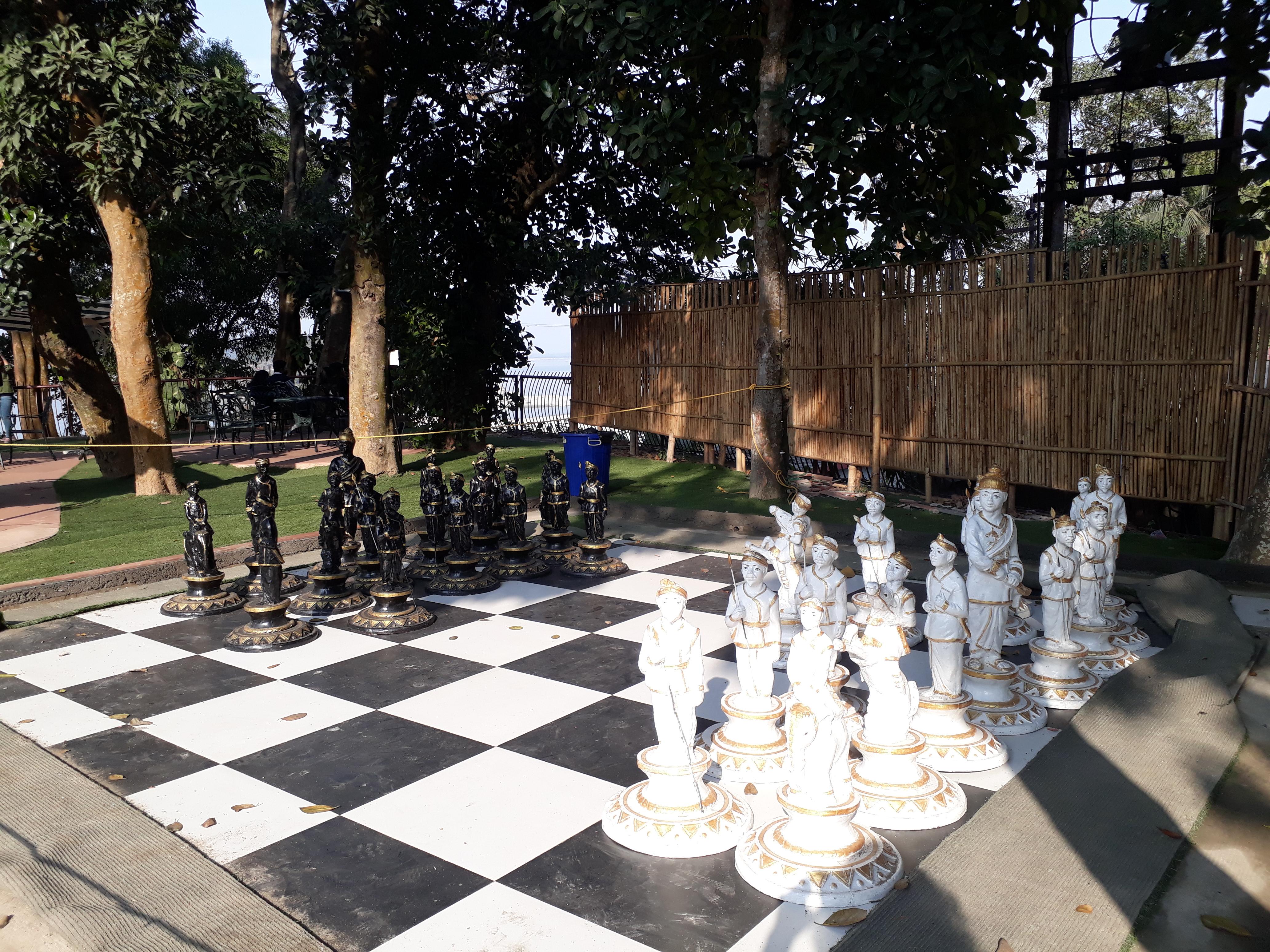
It transports one to the days of life along the river. It has the most marvellous views of the Brahmaputra, and right next to it is the ropeway going to Umananda Island.
It houses mesmerising art installations, photographs, landscaped gardens, wooden interiors, artefacts, musical instruments and a library. There is children’s play area and a tea shop selling delicious Assamese tea.
In this area are the science museum, high court, and even the government offices.
Weavers around Deepor Bil
On the outskirts of the city is the famous freshwater lake, Deepor Bil, which is a Ramsar site and an elephant corridor. It is home to exotic flora and fauna. We stopped for a moment to see the boats, the sunrise and the river swifts.


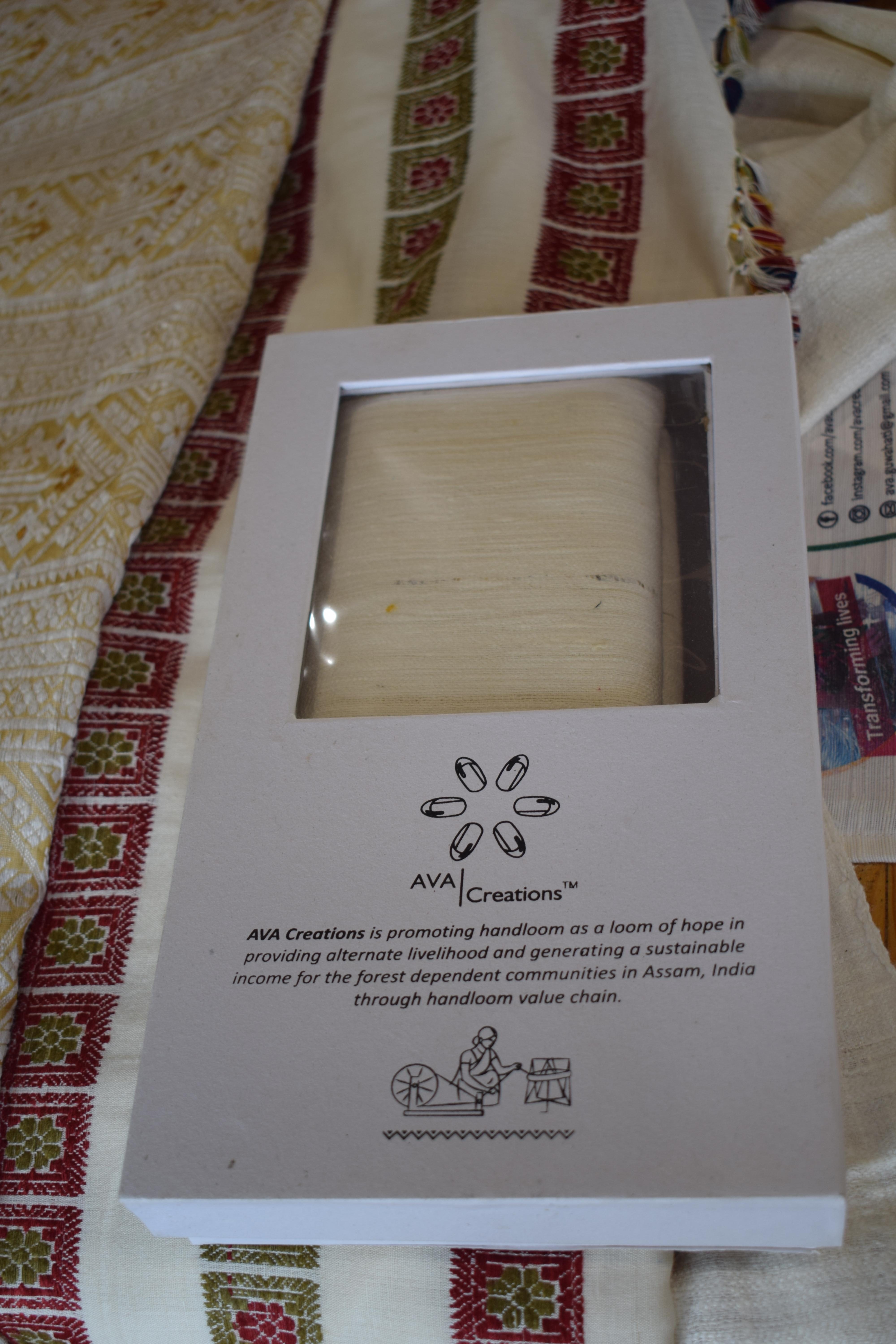
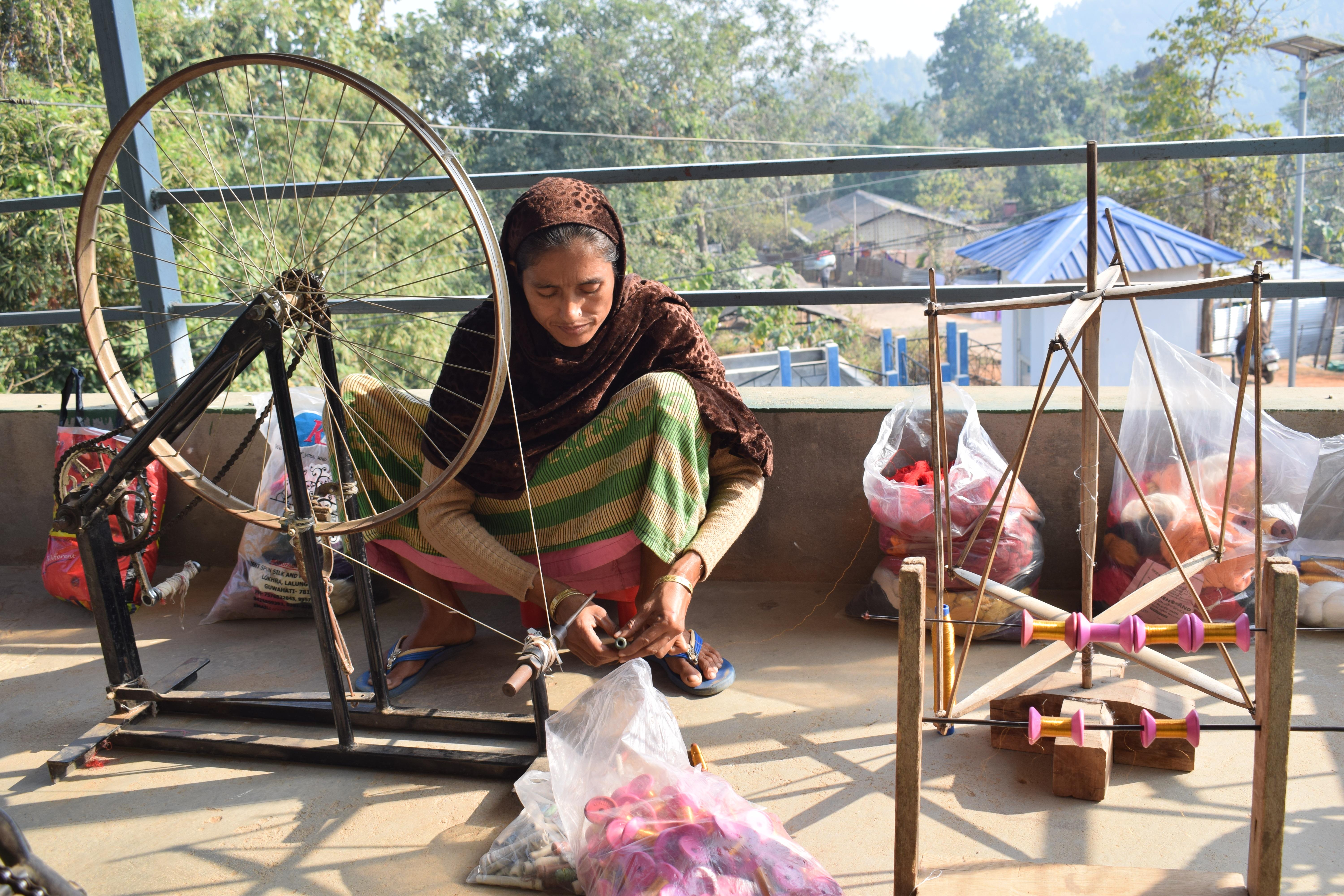
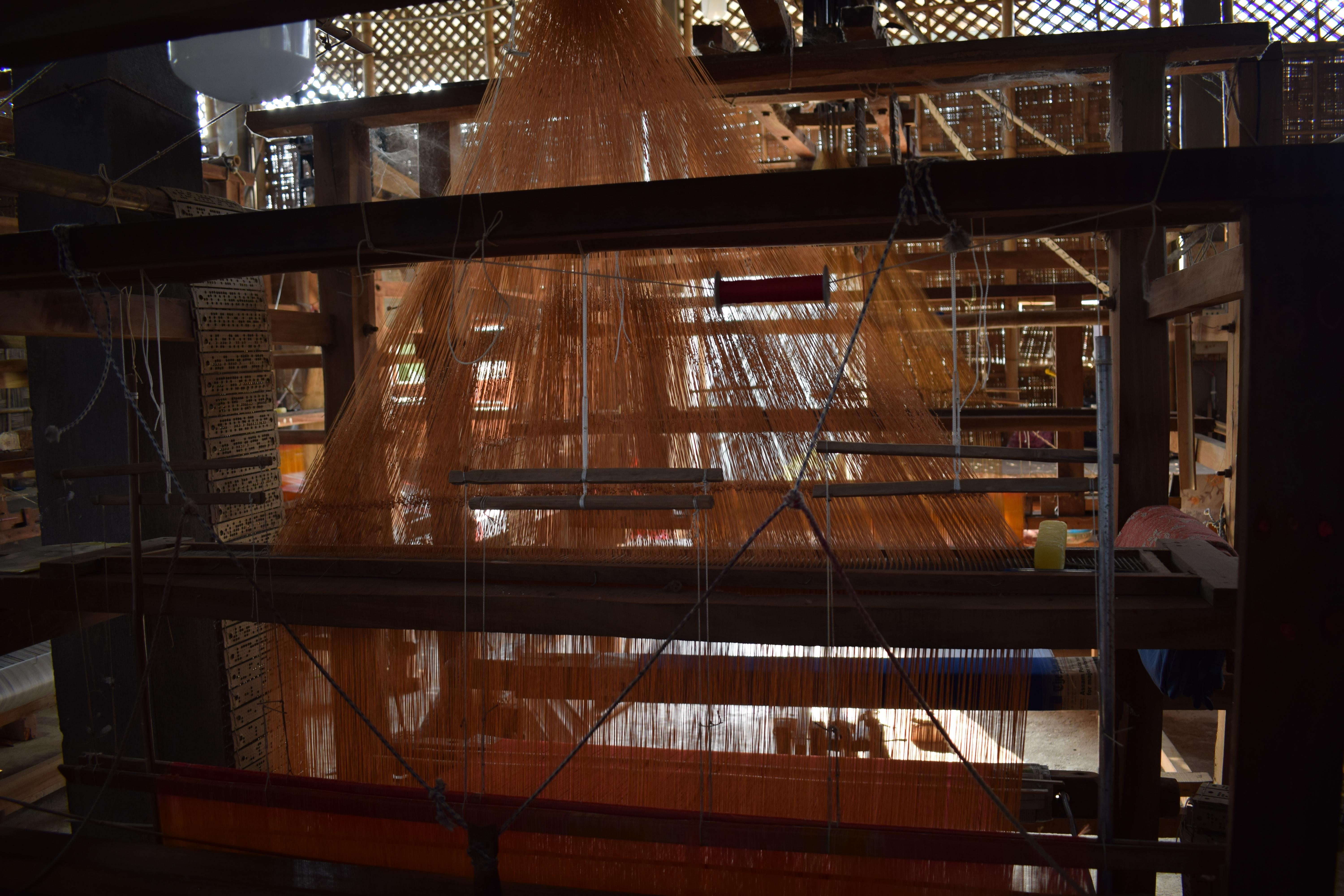
Then went in search of the weaving centre, AVA Creations. It was started by a young couple, Anu Mandal and Arup Baishya, who left their hectic city life as their daughter fell sick due to the pollution. With a focus on conservation and boosting the Assamese handloom industry, they trained the women in the neighbouring villages. They specialities are traditional gamchas, saris and face masks.
Shopping At Paltan Bazaar


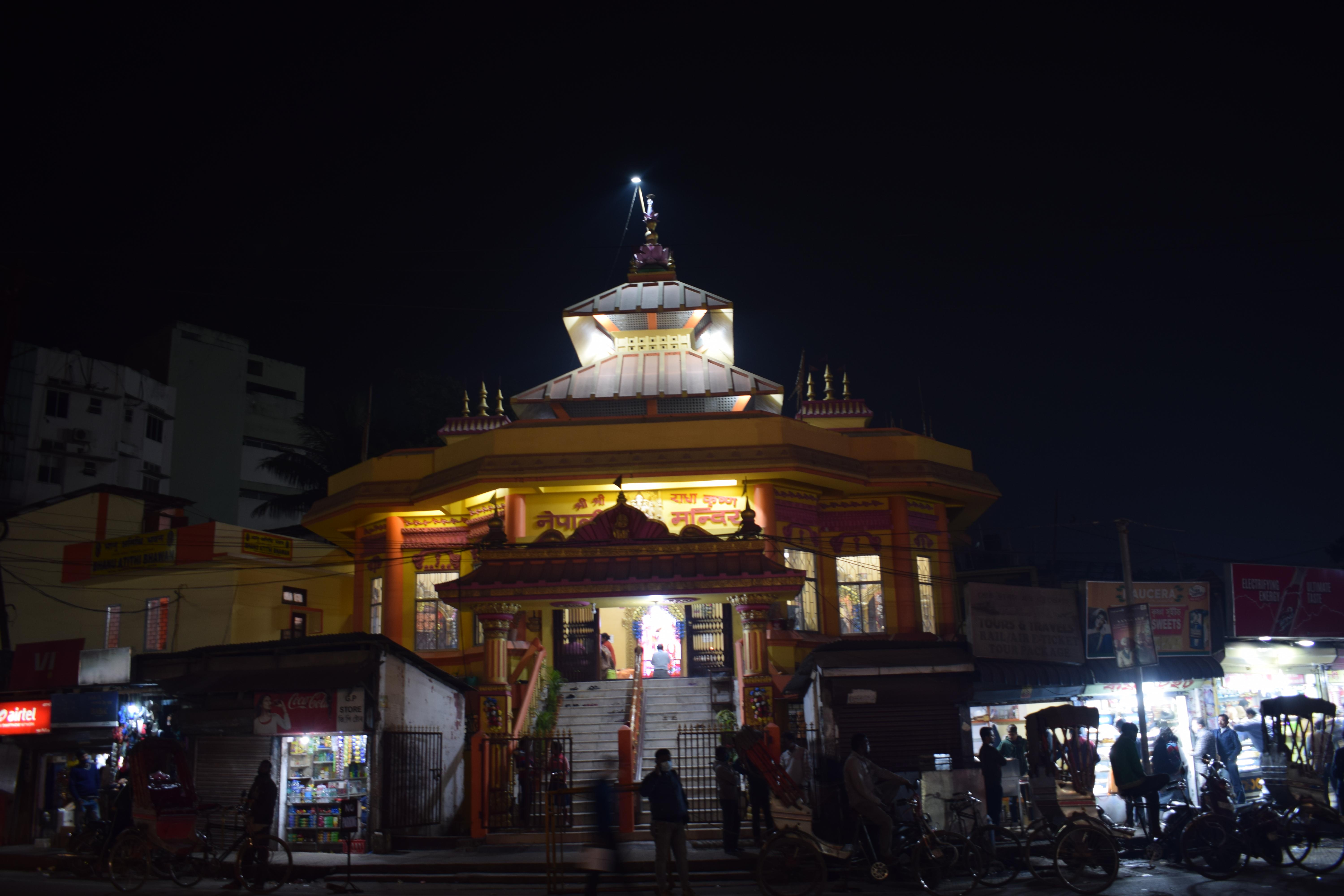
Paltan Bazaar is the local wholesale market. We gorged on puchkas, drank glasses of fresh juice, bought local spices and grains such as black rice, joha, red poha, honey jaggery and pink salt. There is a huge line-up of small eateries selling momos here as well.
Local E Tea at City Centre Mall
No trip to this city can be complete without seeing the modern parts. City Centre Mall is the most happening mall in Guwahati with designer stores and branded eating joints.
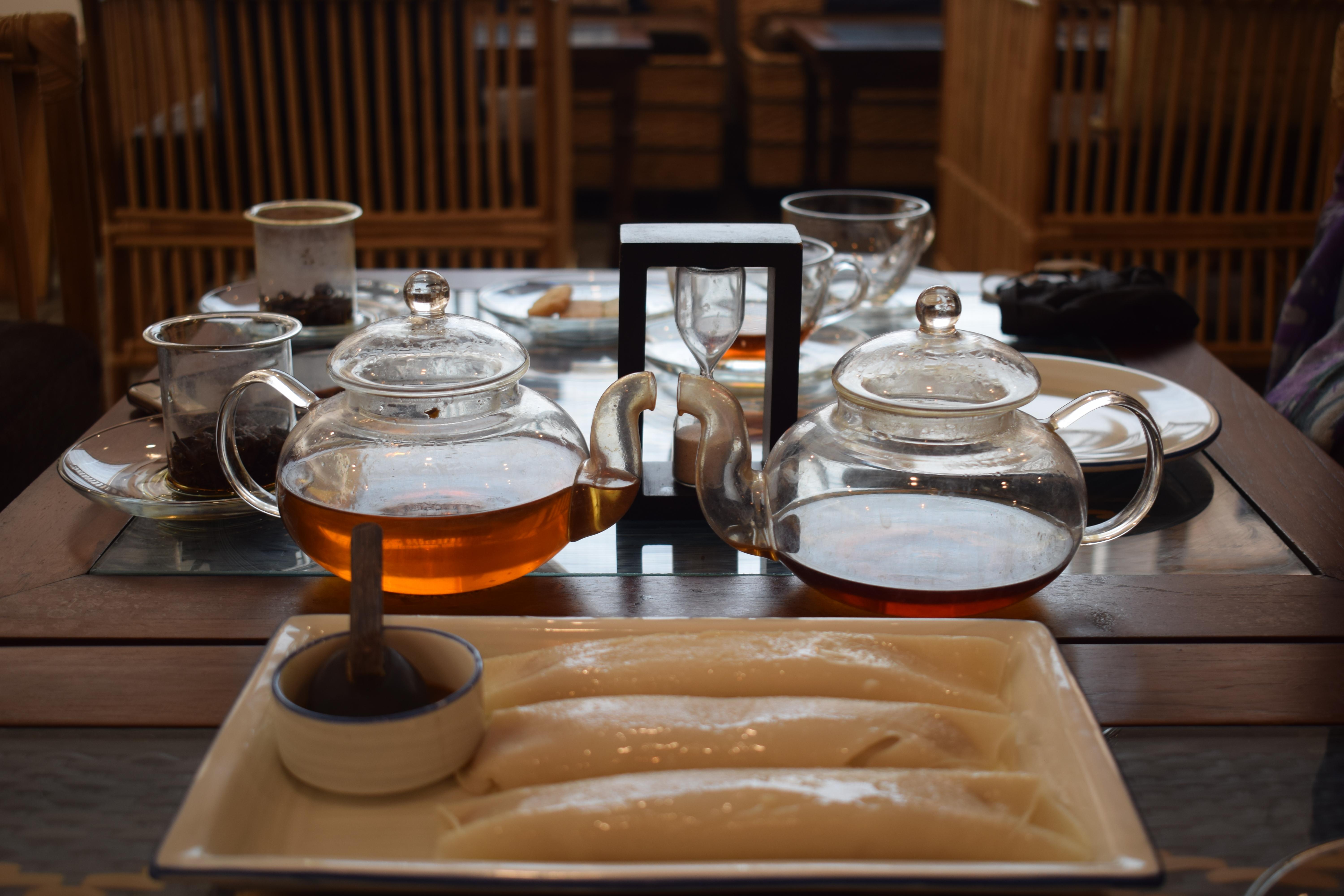

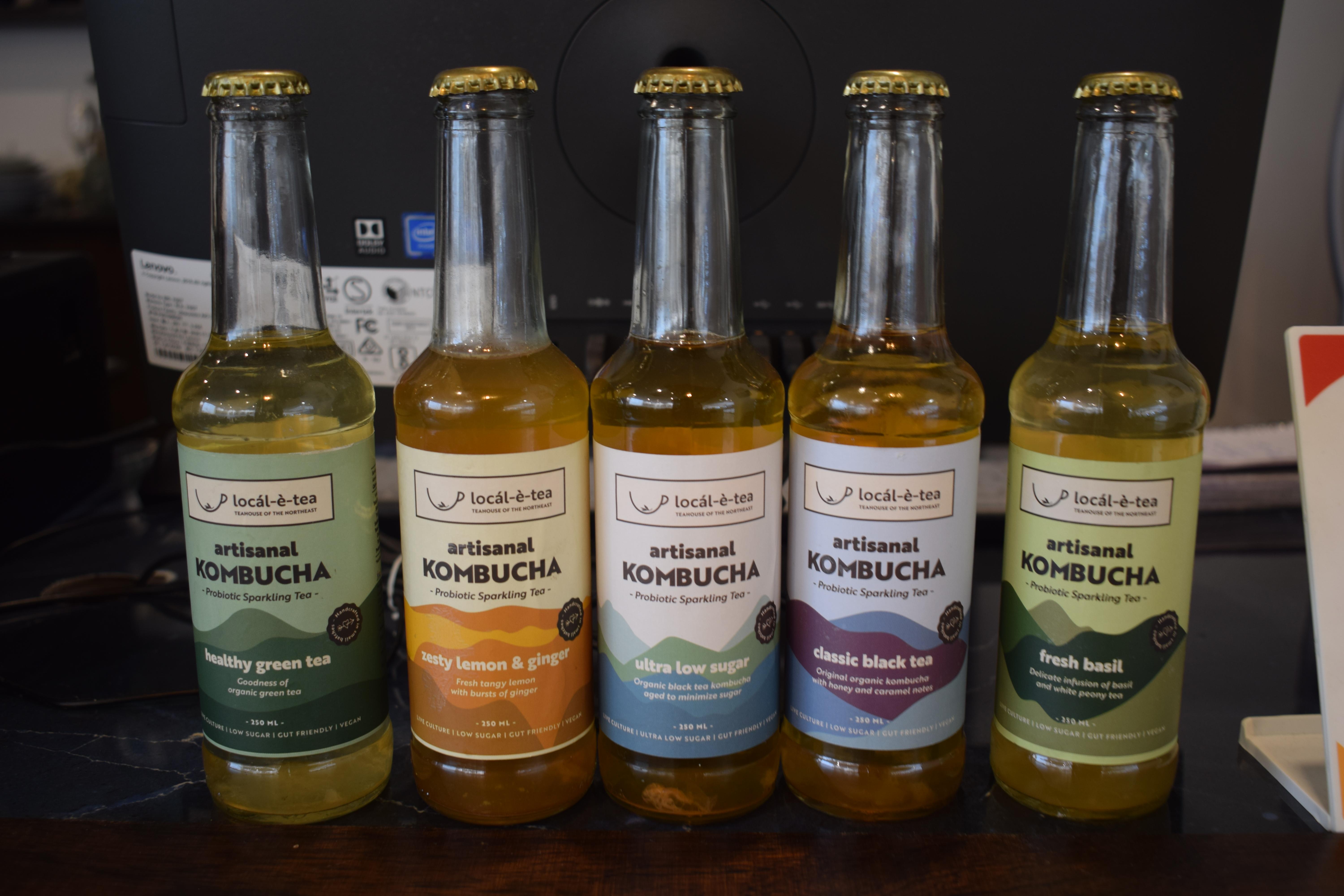

We tasted some delish teas at Local E Tea. This new age teahouse, with its ethnic bamboo furniture and arty walls, serves unique exotic and tribal teas, along with Kombucha. Founder Vikas Jain has kept a variety of flavoured, herbal and normal milk teas, along with the famous Assamese black tea.
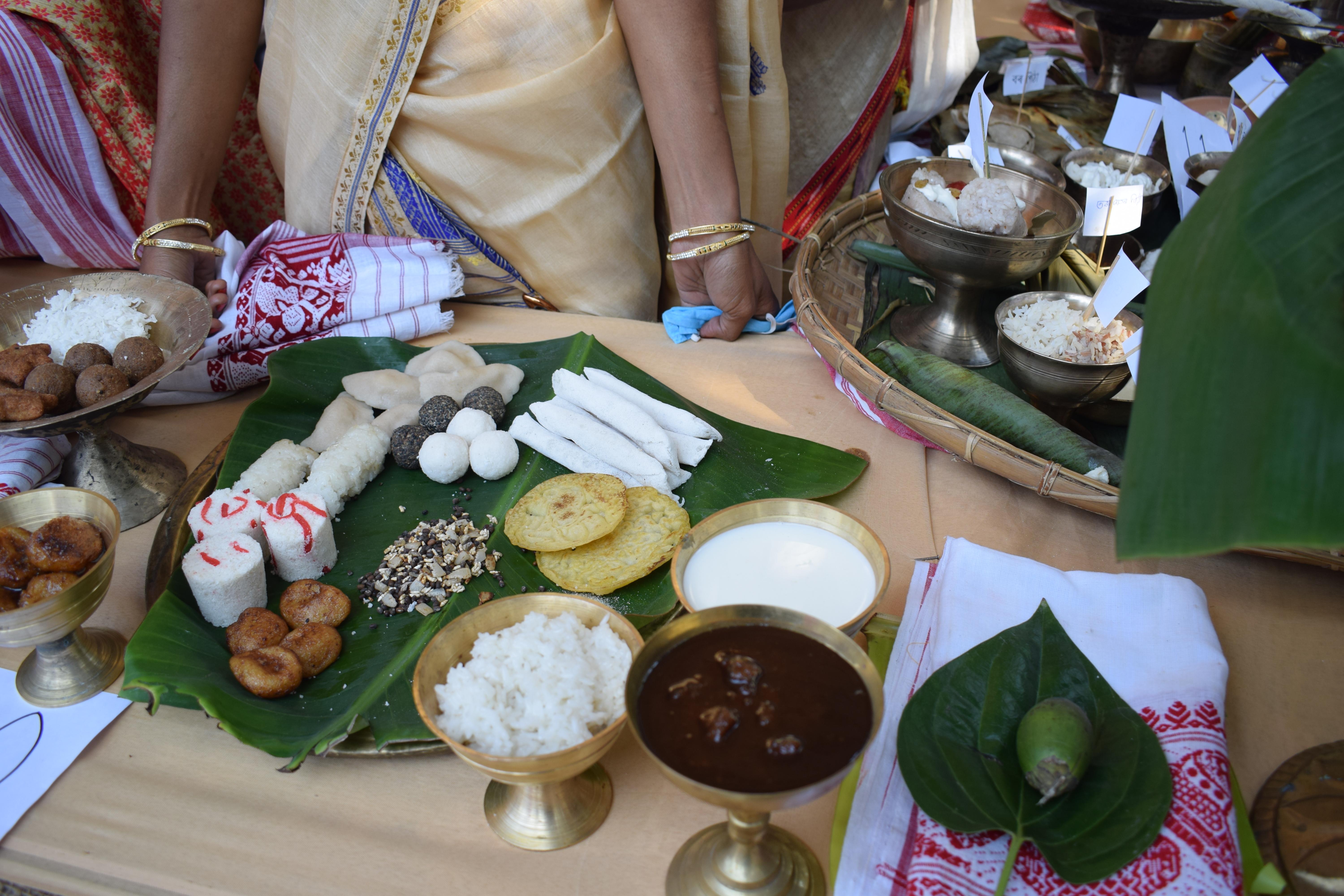
Tea is a statement here, served by a tea curator in glass and ceramic tea sets. We had these teas with Assam’s most famous snack–pitha. These are an all-time favourite and made of rice flour, jaggery and coconut. Pithas are of three kinds: steamed, dry and fried.
You can even buy exotic varieties of tea here such as Bai-Mu-Dan Original White Tea, Khasi Highland Organic Black Tea, Phizen-Manipur Tribal Wild Forest Black Tea, Siang Golden Tippy Orthodox, and more, along with the tea sets.
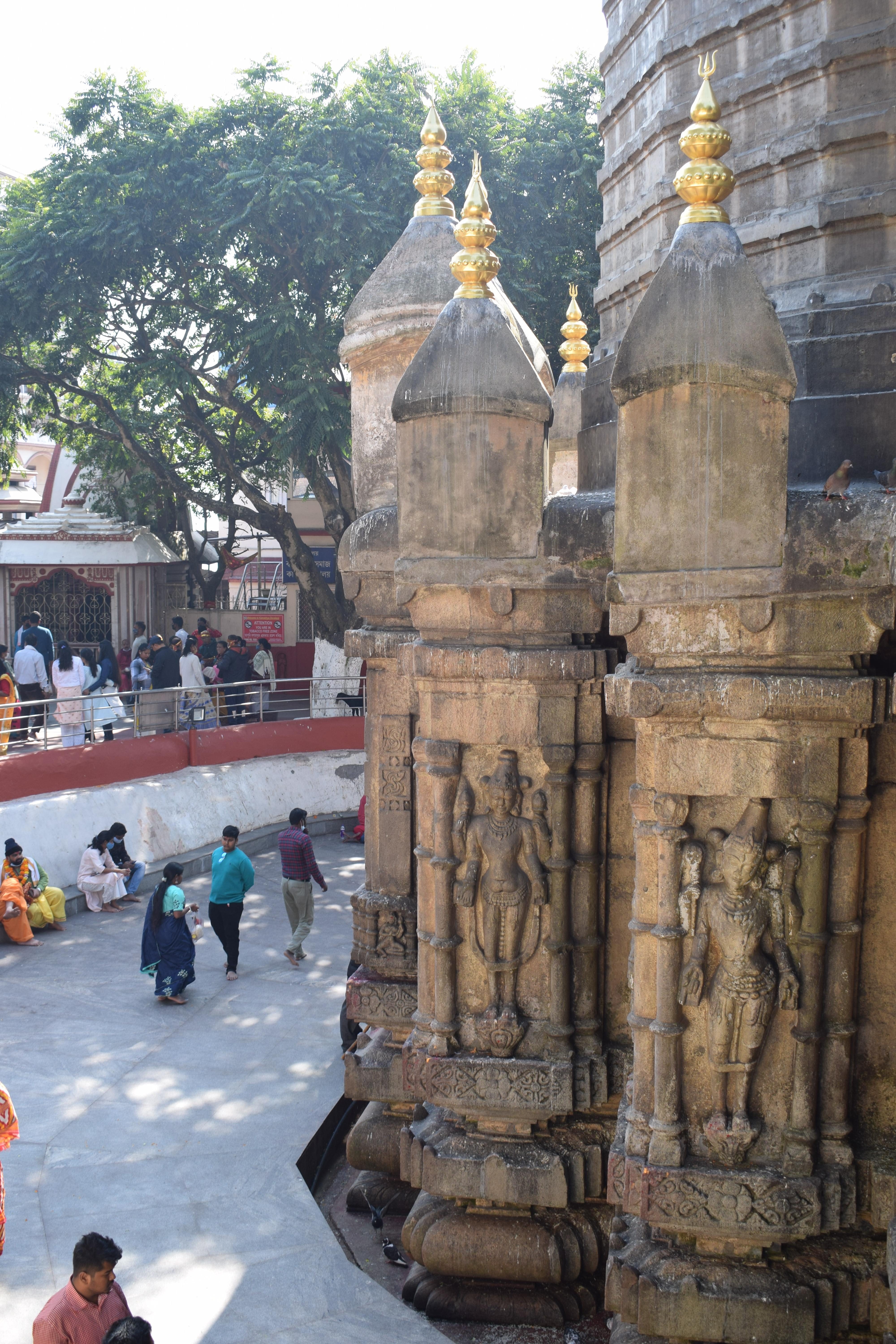
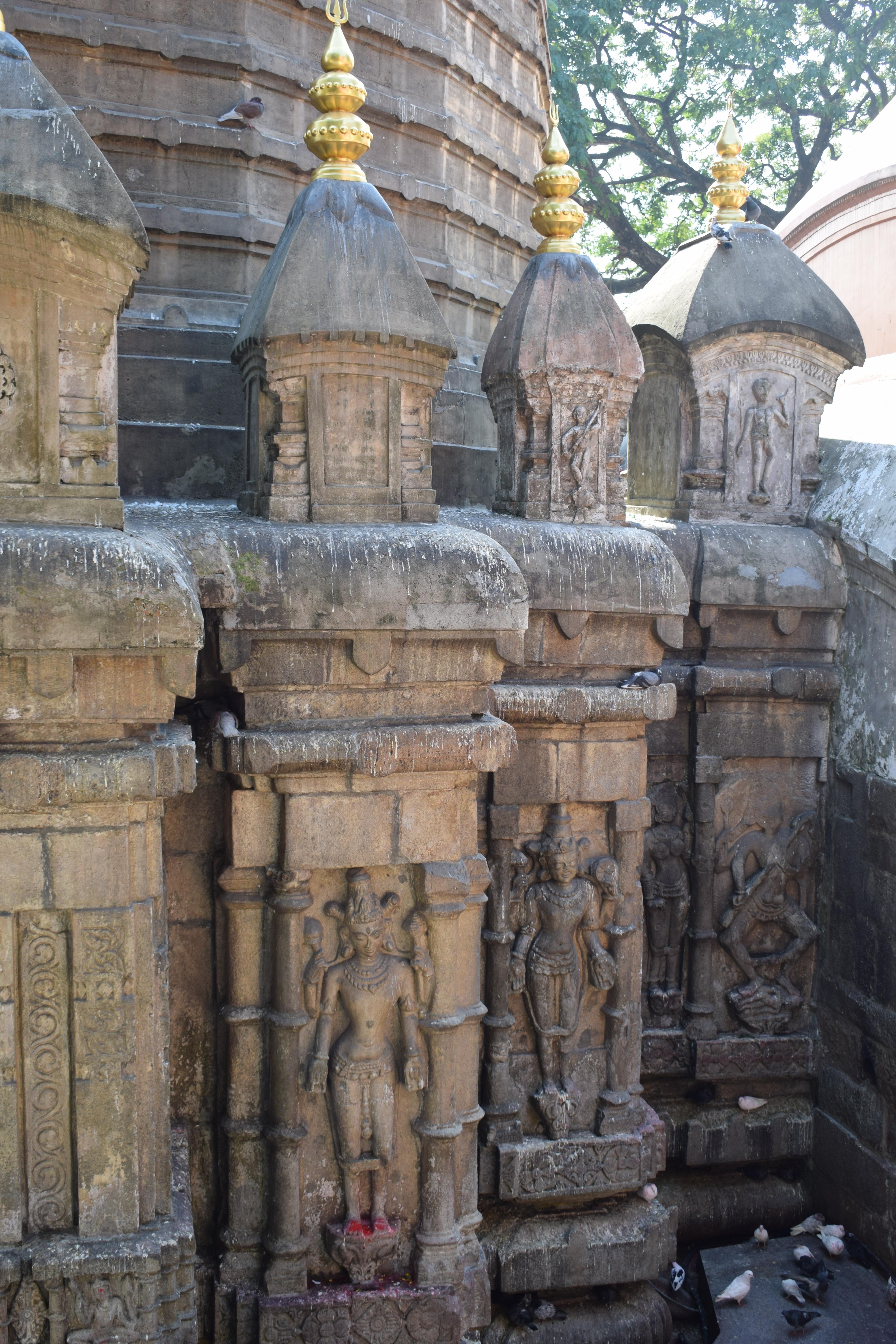


You must be wondering why I haven’t mentioned Kamakhya Temple, as that is the highlight of Guwahati. I have been there twice and the animal sacrifice practice was very unsettling for me. The archaic practice might be culturally acceptable, but I was taken aback when I saw a baby goat screaming as its head was cut off and the blood spurted out for quite some time. I couldn’t move for a few minutes after seeing this. In fact, I have stopped eating meats seeing such brutal practices. Also, the queue for going to the sanctum sanctorum is long, should you like to go, then you have to be prepared for a long day.
Guwahati is a modern city and you can wear anything, being moderately dressed for the temples is needed though. You can book Olas or hire a local taxi, should you know a tour agency. The city is crowded and it takes time to weave your way in and out. People understand Hindi but directions can go haywire, should you ask anyone.
This travelogue first appeared in Patriot newspaper in April 2022. It has been updated and rewritten for this website.


Everytime I read your travel article… It just makes me wonder how big and beautiful INDIA is. Will definitely visit Guwahati… I didn’t explore beyond Darjeeling in my childhood. Hopefully someday I will visit Assam. Your travel articles are full of interesting pics and descriptions… Nice work. Awesome. Keep writing.
LikeLiked by 1 person
I want to visit Darjeeling! I love the thought of the tea gardens, the walks and the birds. Guwahati is super crowded, but the central parts around are green, museums are good too.
LikeLike
It is disheartening to learn that the riverside is unclean. This issue is widespread, yet we continue to award feminine names upon rivers with reverence. Something is really wrong with us. The photos turned out great. I zoomed in on your food pictures. Hope they were delicious.
LikeLiked by 1 person
The fruits are really good there’ and the pitha.
LikeLiked by 1 person
I passed through Guwahati umpteen times but somehow never made it to some of these places. Your write up is exhaustive.
LikeLike
Guwahati is a crowded city, you have to find the silence and enjoy it like in Deepor Beel or the heritage centre. Rest is always a rush.
LikeLike