
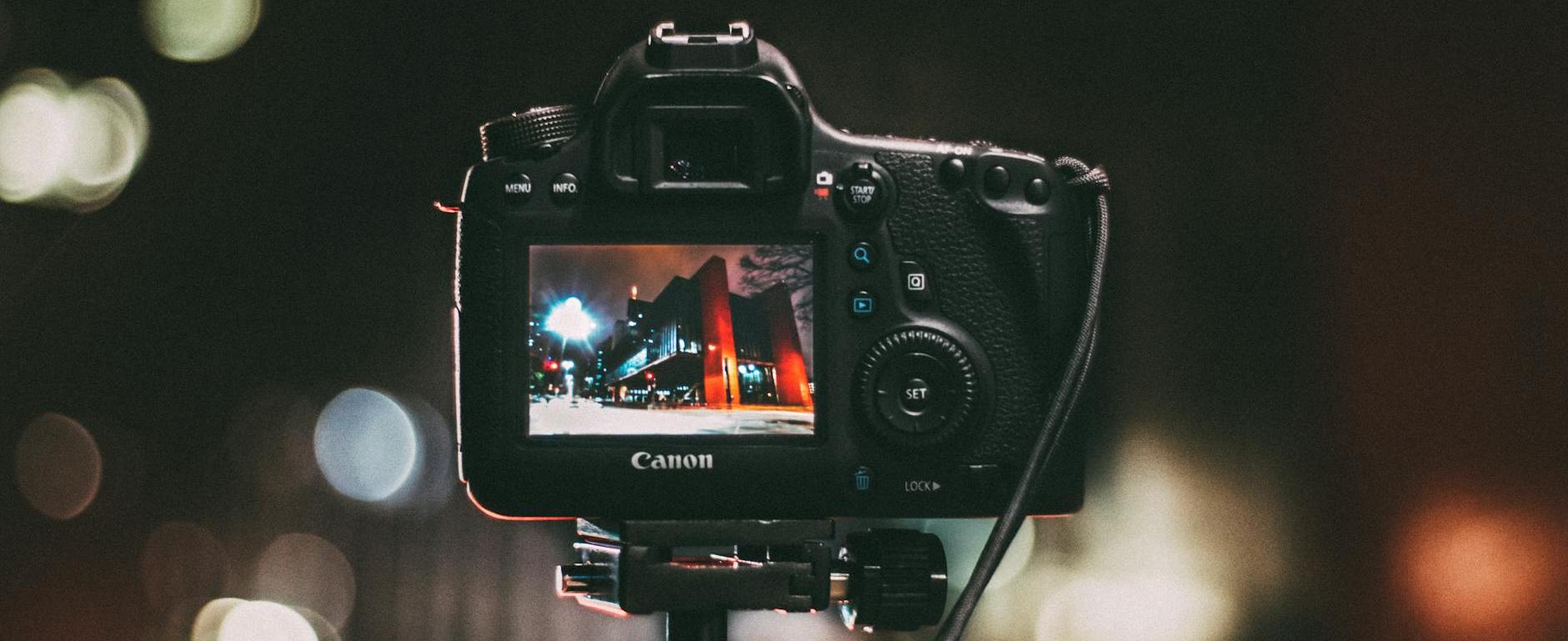
The world of photography can be exciting yet intimidating, especially for beginners. But fear not! This guide will break down some essential camera settings and concepts to empower you on your photographic journey.
My journey into photography started in 1999. Yes, that’s when I met the first news photographer, someone who talked about visuals alone. He didn’t like studio and staged shoots; he wanted it all natural. For me, this was all Greek. I was just a words person, someone who read, and wrote, as they pleased. I came from a pretty unstructured mindset on life, ignorant I would say now that I look back.
Eventually, over the decades, my concepts changed, then they collapsed and rechanged. Until I was forced to use my mobile for more than ‘hi’ and ‘bye’ and SMS. The blurry frames and bad pictures, well, no one ever said that this was going to be my career path. And I could write a structured article after 12 years of being a journalist and an editor.
So, I thought taking phone pictures was cool till 2016 and there were sites offering free photos. But life has strange plans, it ignites your flames, inner calling in mysterious ways.
In 2016, I was to go for an assignment to offbeat Karnataka. I came to know at the last minute that they didn’t have pictures and I was scared to ask for a photographer. I bought myself a basic DSLR on the eve of departure with a kit lens. I stuck to auto mode and held the camera steady, as I had been on multiple photography shoots over the decades. Yes, I did get good pictures and they helped me lose my job as my boss couldn’t tolerate the fact that I could take pictures as well.
However, the camera is addictive and I had realised its power by then. I enrolled in a one-day class to get the basics, rest was YouTube and social media tutorials. After years of practice, I did manage good frames and composition, but mostly on auto mode and within the well-lit walls.
I wanted to expand my reach to landscapes and wildlife. I began with flowers, plants, easy to shoot natural objects such as leaves. Recently, I got a chance to attend a beginner’s workshop for wildlife photographers with WWF-India at Sanjay Van, Delhi. The mentor was from Nikon India, which suited me well as I have Nikon gear.
So, like me, if you’ve been struggling to go beyond auto mode and make creative works, then this guide would help you. With a basic understanding of your camera’s functions, you’ll be well on your way to capturing stunning images:
The Exposure Triangle
At the heart of capturing a great photo lies the exposure triangle. This trio of settings – aperture, shutter speed, and ISO – work together to determine the brightness and overall look of your image.
Aperture: Imagine the aperture as the iris of your eye. A wider aperture (indicated by a lower f-number) allows more light to enter the camera, resulting in a shallow depth of field (blurry background) and ideal for low-light situations. A narrower aperture (higher f-number) lets in less light but creates a deeper depth of field (everything in focus) and is suitable for landscapes or group shots.
Shutter Speed: This setting controls how long the camera’s sensor is exposed to light. A slower shutter speed (e.g., 1/30th of a second) allows more light in but can cause blur in moving subjects. A faster shutter speed (e.g., 1/1000th of a second) freezes action but may require more light or a higher ISO.
ISO: ISO measures your camera’s sensitivity to light. A lower ISO setting is ideal in good lighting conditions and produces cleaner images with less noise (grain). A higher ISO setting increases light sensitivity for darker environments but can introduce noise.
Understanding These Settings
Experimenting with these settings will allow you to achieve different creative effects. For example, a wide aperture and slow shutter speed can create a dreamy, blurred waterfall image. Conversely, a narrow aperture and fast shutter speed can capture a sharp action shot of a bird in flight.
Camera Modes
Most cameras offer various shooting modes to cater to different situations. Here’s a quick rundown of common modes:
Auto Mode: This mode takes care of all the settings for you, making it a good starting point for beginners.
Program Mode (P Mode): This mode allows you to adjust some settings like aperture or shutter speed while the camera sets the rest. It’s a good way to learn cause-and-effect relationships between settings.
Aperture Priority Mode (Av or A Mode): Here, you set the aperture, and the camera determines the shutter speed. Ideal for controlling depth of field.
Shutter Priority Mode (Tv or S Mode): You set the shutter speed, and the camera chooses the aperture. Useful for capturing motion or freezing action.
Manual Mode (M Mode): This mode gives you complete control over aperture, shutter speed, and ISO. While offering the most creative freedom, it requires a good understanding of the exposure triangle.
Additional Tips
Composition: Learn basic composition rules like the rule of thirds to create visually appealing photos.
Lighting: Lighting is key! Experiment with natural and artificial light to create different moods and effects.
Practice: The more you practice, the better you’ll understand your camera and capture captivating images.
An important tip is that you can practice on semi-auto mode such as keep the camera on Aperture mode if you want to capture wide area or Shutter Mode if you want to capture flying objects. I practice a lot with Program Mode.
With experience, I can say that wildlife shots require speed, and unless you are really experienced, using these semi-auto modes can work wonders in enhancing your skills. I practice for an hour daily in my neighbourhood.
In studio settings, the manual mode can work to your advantage, depending on the mood you want to create.
If you are looking for online tutorials:
Nikon has a tutorial website, Digitutor
For Canon, you can head to the online Learning Center
Sony users can head to the YouTube channel.
Understanding your camera is a rewarding journey. By mastering the essentials and experimenting with settings, you’ll unlock a world of creative possibilities. So, grab your camera, get out there, and start capturing the world through your lens!
I’m participating in #BlogchatterA2Z
Read previous posts: A, B, C, D, E, F, G, H, I, J, K,L, M, N, O, P, Q, R, S, T

 Queen of Treasures
Sometimes I used to wonder, why we need to read all these blogs. When I feel exhausted, a blog post like this will appear. You are teaching a life lesson. It is pending in my list for long time. I think this is the time to start. Btw, your boss fired you for your photography skills? omg.
LikeLike