
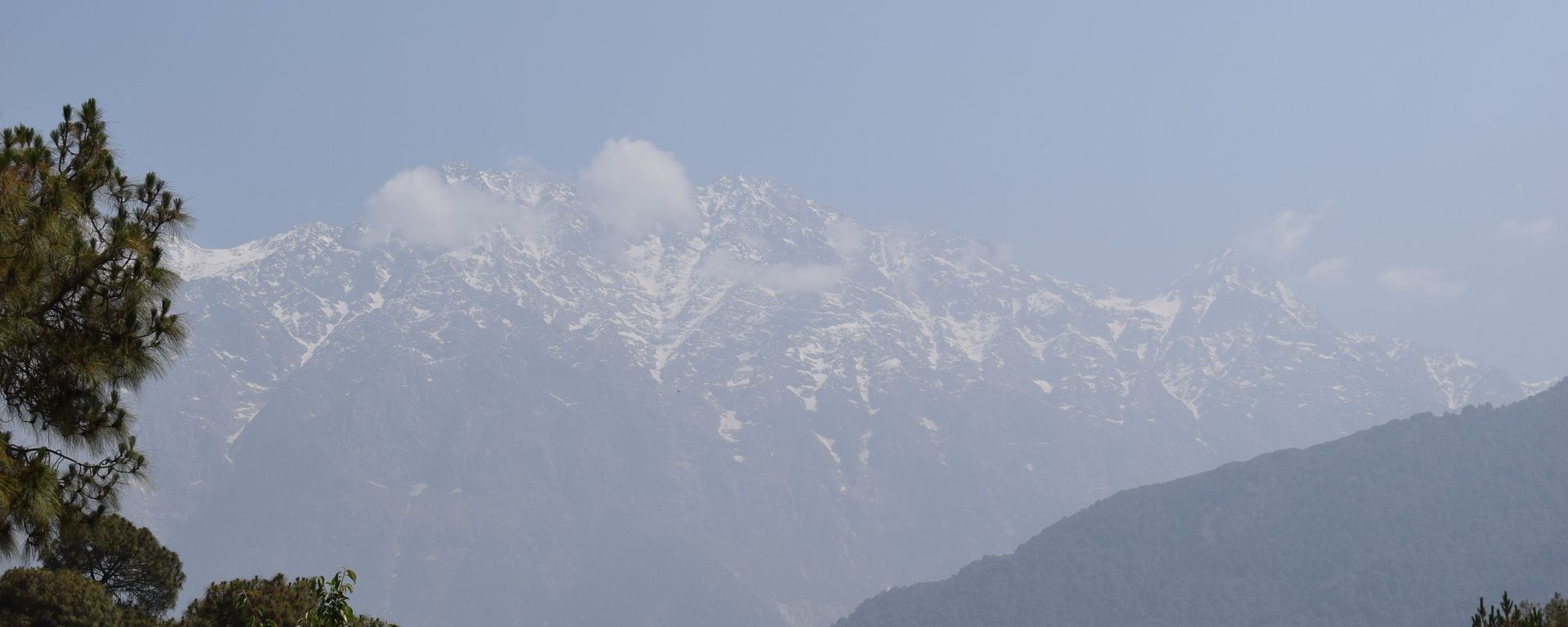
Explore the lush tea plantations, vibrant Tibetan culture, and charming towns of Kangra Valley. Discover art, history, and breathtaking Himalayan beauty.
Palampur
Nestled in the foothills of the snow-tipped Dhauladhar mountain range, Palampur was once called the tea capital of north India. Deriving its name from the local word, palum or water, here flowed streams and brooks, now limited to the lone Neugal stream.
Dr Jameson, the then superintendent of Botanical Gardens, introduced a tea bush from Almora here in 1849. This bush turned the tables and the municipal council Palampur became home to many European tea growers during the British Raj.
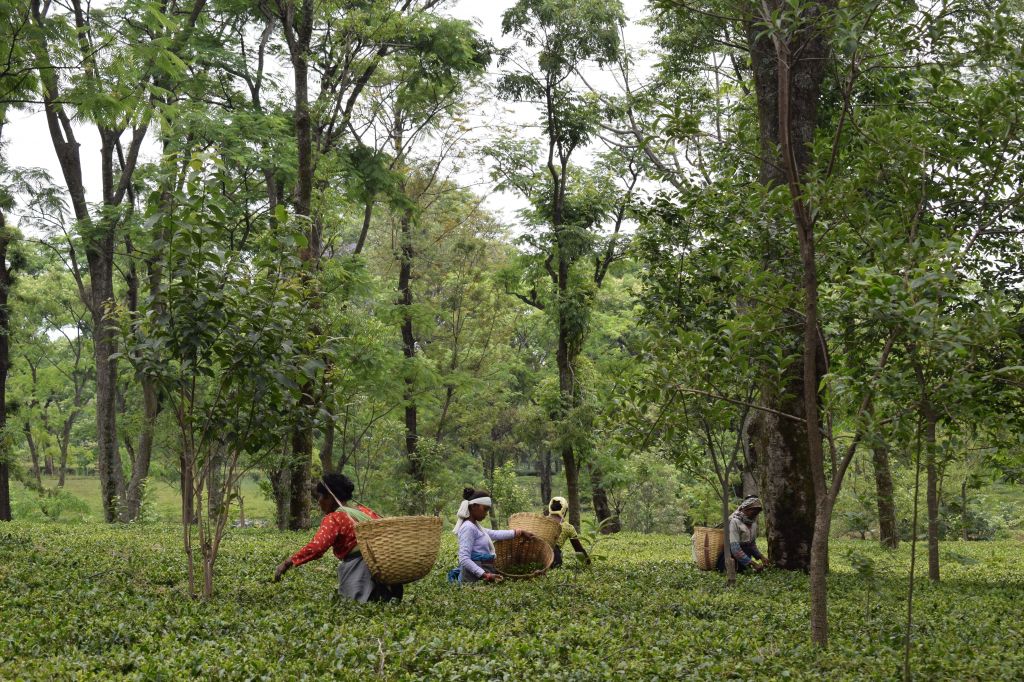
But centuries have not been kind to the tea industry, as labour and migration along with climate change have dwindled prospects and turnovers.
Palampur is a good base to explore the lush Kangra Valley and we began our trip with a round of tea gardens at Wah Tea. This is the largest producer of tea in the region, where we tasted handmade teas as well.
Enchanted by the green world, under the blue sky, accompanying birdsongs and joyful vibes, we watched an old man weave wicker baskets and lamps.
Andretta
Close to Palampur, is Andretta, the village where artists flourished. This village has been the epicentre of creative arts since Independence.


This is where famous artist Sobha Singh, Irish writer and dramatist Norah Richards, and studio potter Sardar Gurcharan Singh thrived.
Sobha Singh’s home is a museum now (entrance fee: INR 20). He moved to Andretta from Punjab in 1947. Besides the artworks, Singh’s bedroom also contains his personal things, including the musical instrument rabab. A photograph of the artist with Norah Richards caught my eye.
An Irish writer, dramatist and follower of Tolstoy, Norah Richards settled in India in the 1930s after her husband’s death. He had been a professor at the Government College, Lahore. She taught drama to students of Punjabi University and is fondly remembered as ‘Lady Gregory of Punjab’.
Her first visit to Punjab was in 1911. In 1914, she produced the first Punjabi play, Dulhan (The Bride), written by her student I.C. Nanda. After her death in 1971, her house was bequeathed to the university, where she was also a fellow.
Remembering her contributions, the students celebrate her birthday on October 29 by enacting dramas in the open-air auditorium outside her home.
Then, it was time to check out Andretta Pottery, which is now managed by Mansimran Singh, Sardar Gurcharan Singh’s son. He turned his father’s summer pottery retreat into a thriving Andretta Pottery and Craft Society.
Amid the birds and greens, students come from all over the world to learn the traditional art of likhnu, native rangoli design on earthenware. Visitors can also try their hand at pottery for 20 minutes for a small fee.
Dharamshala & McLeod Ganj
The meandering drive to buzzing towns of Dharamshala and McLeod Ganj, home of the Dalai Lama and other exiled Tibetans, was surprisingly cool with multiple stops.
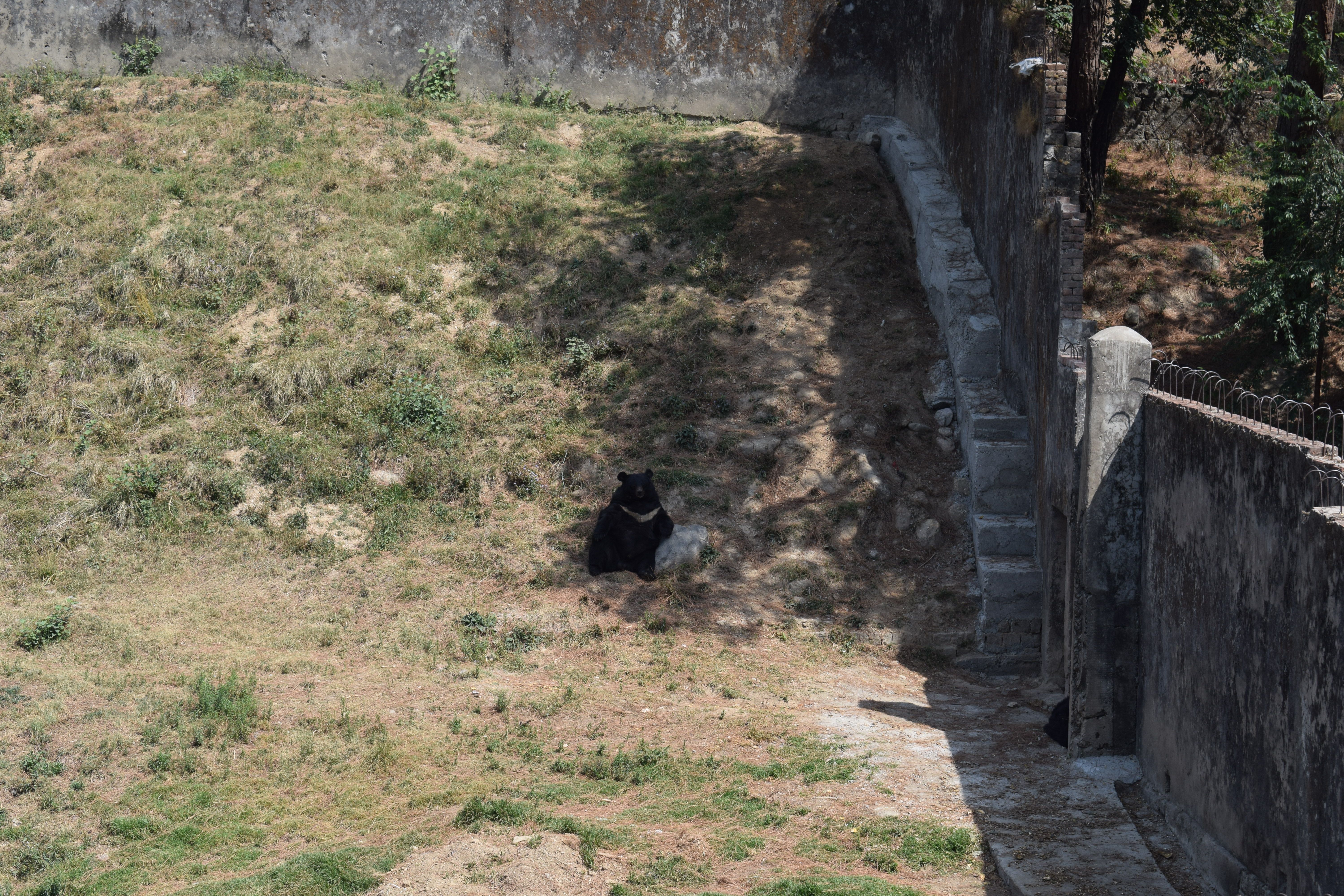


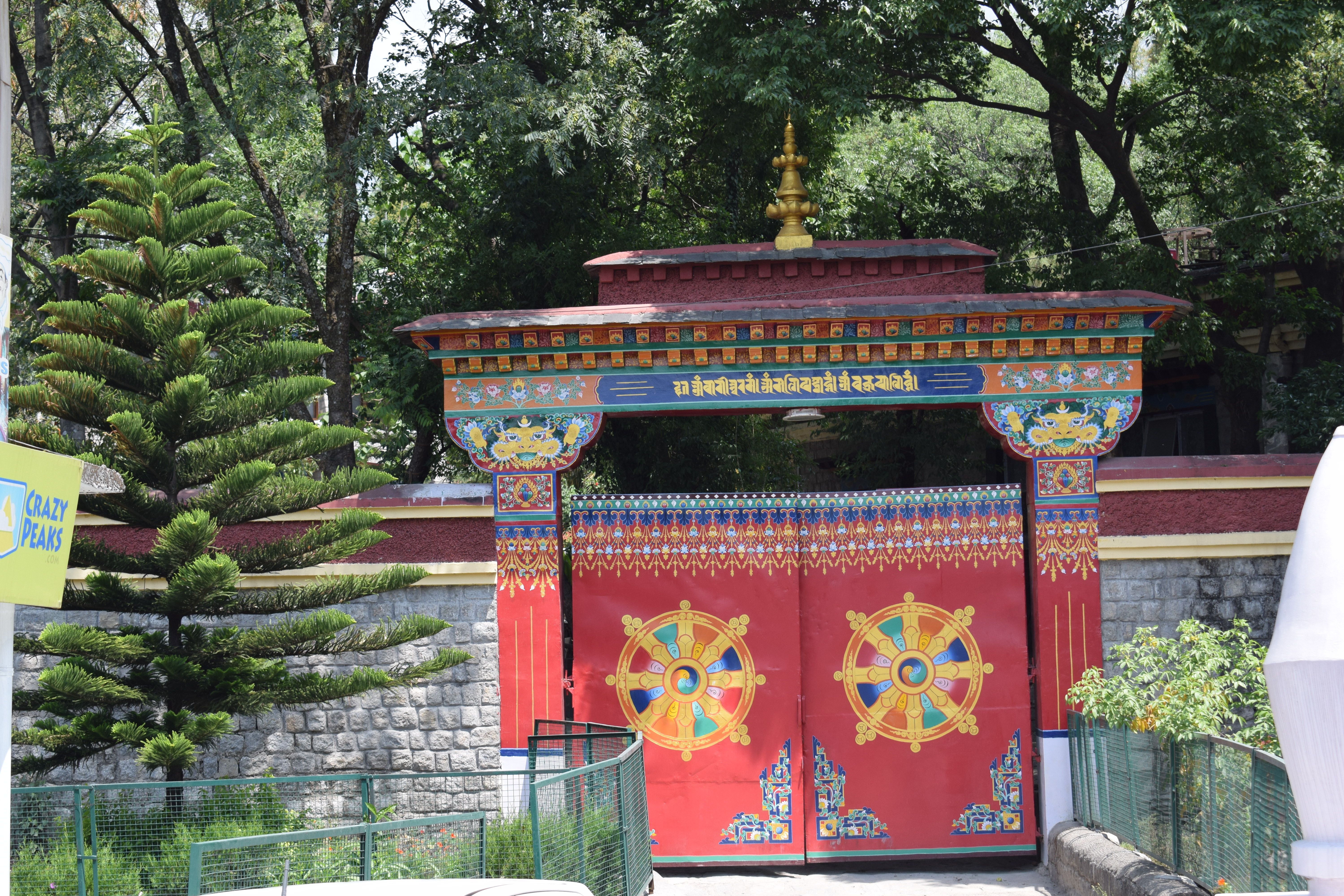

We crossed a sleeping black bear at Gopalpur Zoo and then stopped at the Chamunda Devi temple. A fierce form of Kali, the goddess killed two demons, Chanda and Munda.
Our next stop was the Norbulingka Institute (entrance fee: INR 40) where Tibetan arts and crafts thrive.
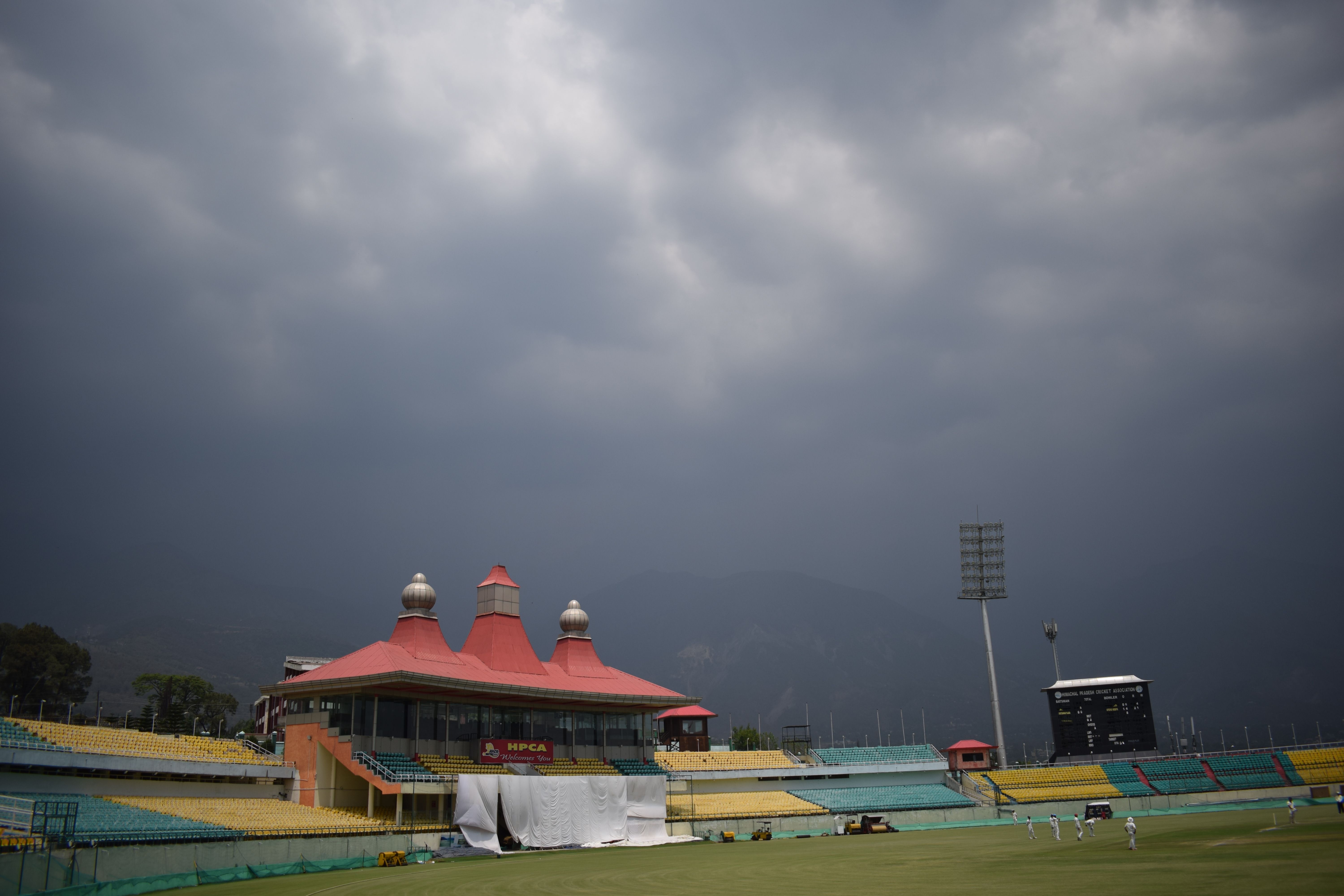
More bends and we reached the famous Himachal Pradesh Cricket Association Stadium. Against the cloudy grey sky, the stadium looked even more interesting.
As the car halted at the church of St John in the Wilderness, the drizzle caught up with us. The grey neo-Gothic structure amid the swaying green deodar trees was captivating.
Built in 1852, this Anglican church is dedicated to John the Baptist. The breathtaking Belgian stained-glass windows donated by Lady Elgin (Mary Louisa Lambton), wife of Lord Elgin, the second Viceroy of India, were the most striking feature. Lord Elgin is buried at the neighbouring cemetery, also home to 1905 earthquake victims.
Close by was the McLeod Ganj, also known as little Tibet. The market, lined with cafes and shops, this is a replica of life in Tibet. Lunch was chowmein and sweet ‘n’ sour at Tibet Kitchen.
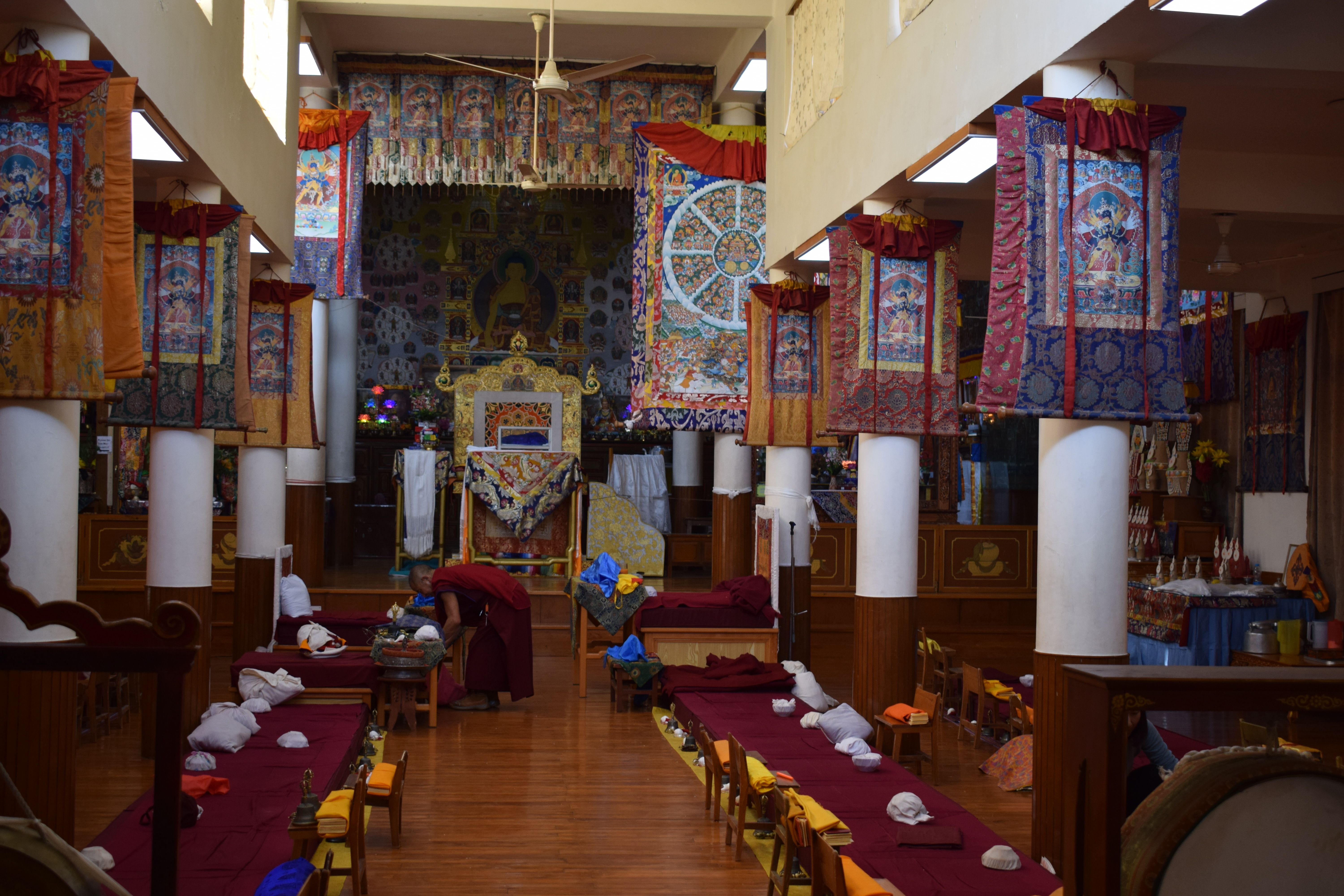
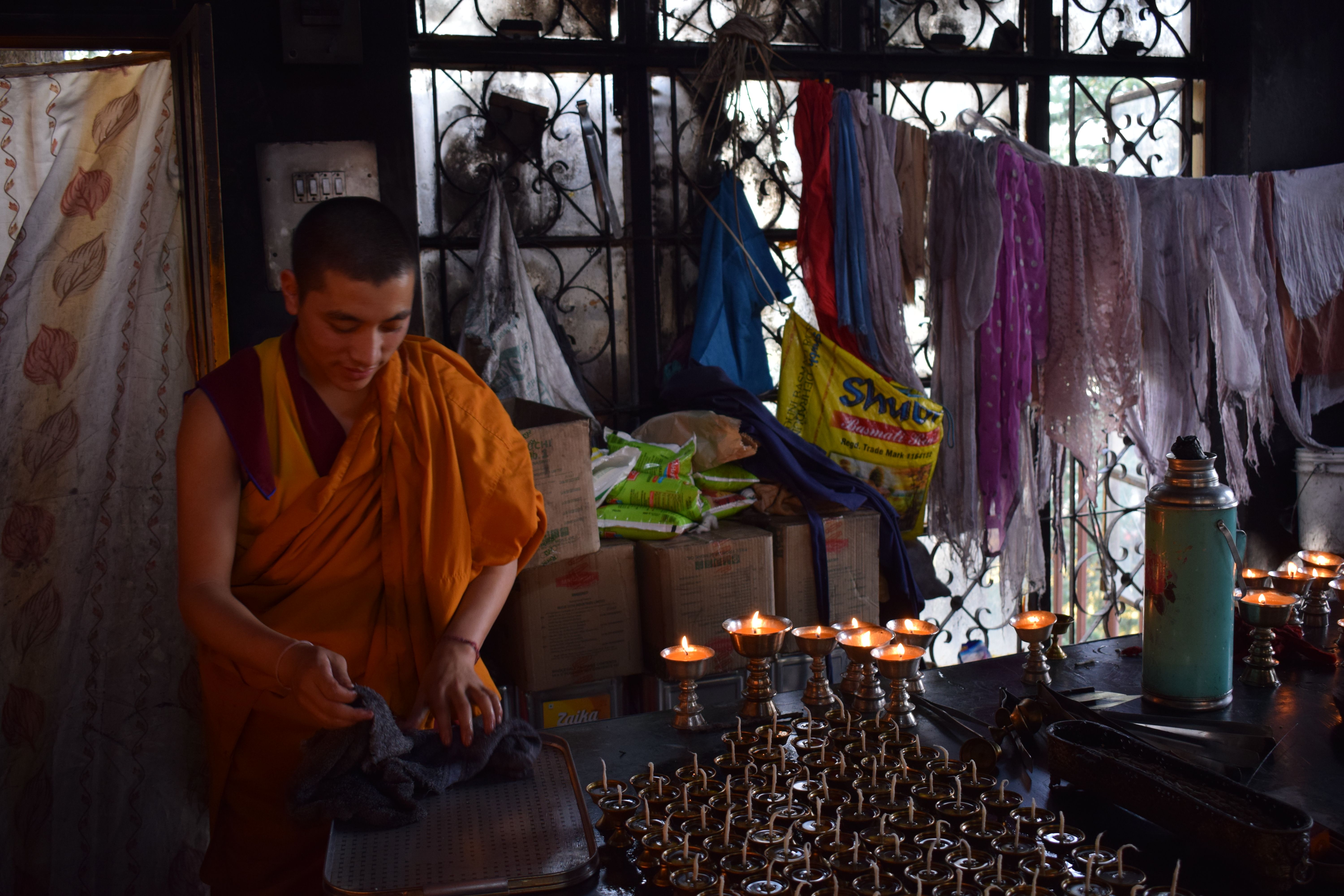

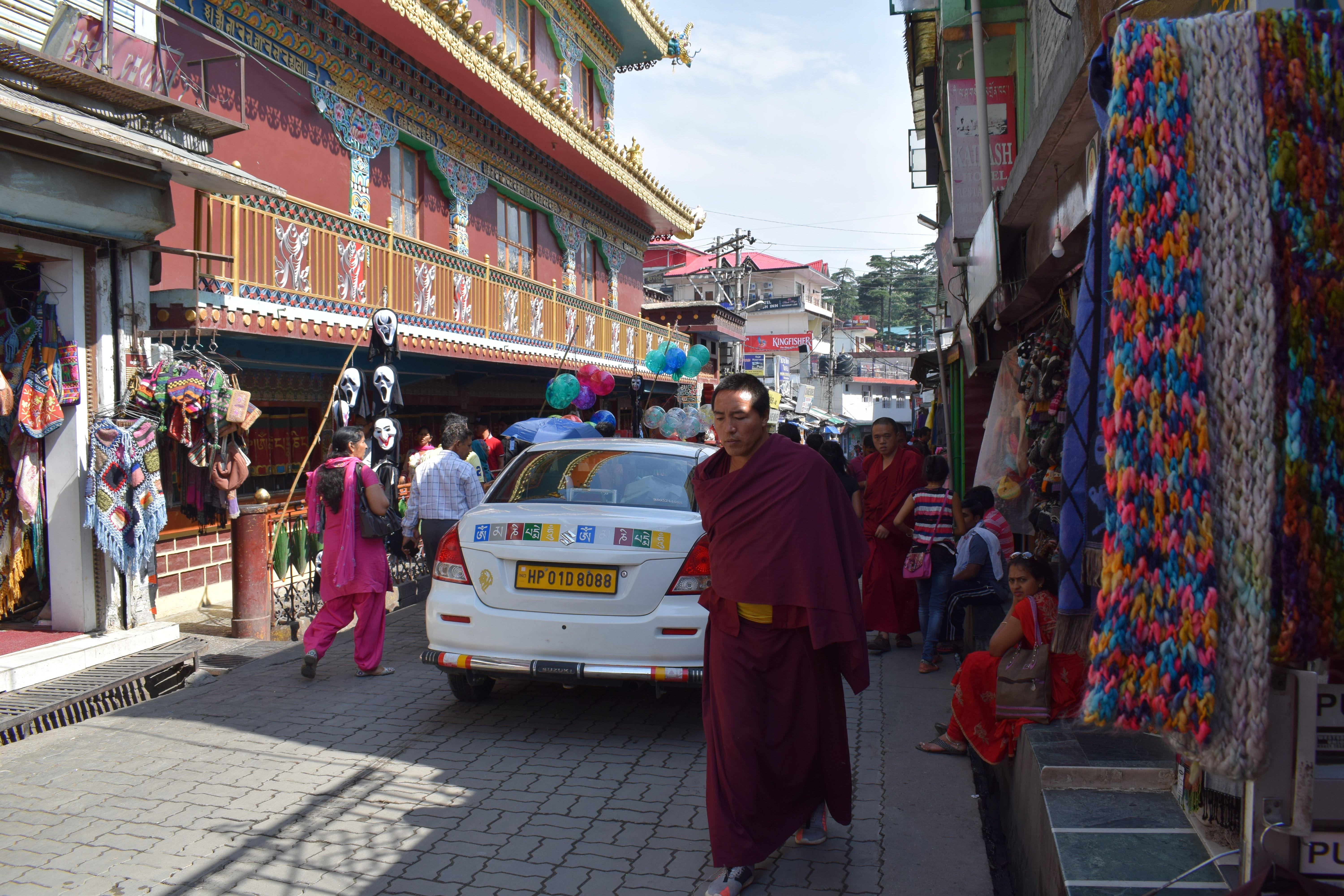

Walking past shops, I turned the prayer wheels at the Kalachakra Temple in the main street. And then entered Tsuglag Khang, better known as the Dalai Lama temple. This houses the Tibet Museum as well. The rhythmic sound of chants amid deodar trees, rows of brightly lit butter lamps, scripts from Tibet, and I was flying high.
The drive back to Palampur ended with lemonade and waffles at the Illiterati café. All too soon, we were on the train to Delhi from Pathankot railway station.
More Attractions
Neugal Café by Himachal Tourism, offers a spectacular view of the Dhauladhar mountains and Neugal stream.
Eat meat and rice, and dham, at local eateries in Maranda, 4 km from Palampur.
You can go for treks to Triund or Birni Mata temple from Bundla winding through oak and rhododendron forests.
Paragliding at Bir and Billing, just 35km away.
Enjoy boat rides at Saurabh Van Vihar.
Go to the 12th century Shiva temple in Bajinath.
Tashi Jong Buddhist Monastery can be one more stop for peace lovers.
How to Reach Kangra Valley
By Air: Kangra Airport is about 40km from Palampur.
By Train: There are trains till Pathankot and then a three-hour drive to Palampur. Some overnight trains from Delhi are Jammu Mail, Jammu Rajdhani, Jhelum Express and Dhauladhar Express.
Make your journey more fun by using the narrow-gauge train connecting Palampur to Pathankot; the railway station is at Maranda. This 112 km journey takes around 6—8 hours.
By Road: Palampur is connected to all major cities.
This post is a part of Blogchatter Half Marathon 2024. Read more:

 Queen of Treasures
6 thoughts on “Dharamshala, McLeodganj, Palampur, Andretta: Kangra Valley Treasures”