

Nestled on the banks of the sacred Godavari River, Nashik is renowned for its religious sites, mythological significance, and vibrant rituals. Whether you wish to seek enlightenment in Panchavati, bow in reverence at Trimbakeshwar, or lose yourself in the divine aura of the Ganga Aarti, the city welcomes all with an open heart.
- The Roots of Nashik
- Road to Trimbakeshwar Temple
- Entrance to Trimbakeshwar
- Spiritual Significance of Trimbakeshwar Temple
- Panchavati: A Glimpse into the Ramayana Era
- The Enchanting Ganga Goda Aarti at Ramkund
- Planning Your Trip
- Best Time to Visit Nashik
- How to Reach Nashik
The universe works in mysterious ways. Almost 26 years ago, I heard about the miraculous Trimbakeshwar Temple, the abode of the destroyer, Lord Shiva. This powerful temple, one of the 12 famous Jyotirlingas in India, is believed to hold answers to life’s inexplicable challenges.
It is widely believed that prayers at this temple, offered with a pure heart, absolve one of all sins. Like all humans, I wanted quick solutions to things that made no sense, evading the hard work of unraveling the inner core or the root cause. I wanted to visit the temple, but fate decided otherwise. There are no quick fixes in karma.
During one of my many pilgrimages, I travelled by road from Mumbai to Shirdi. On the way, I crossed Nashik. This must have been in 2005 or 2006. However, a lack of resources meant I couldn’t visit the temple or plan a stay in Nashik. I must have wanted this badly because the universe didn’t forget.
The invitation from Maharashtra Tourism to experience their Eco Glamping Festival on the Gangapur Dam backwaters, Girnare Village, included a visit to this temple. It seemed like the universe was now unwrapping the gift box. Matters of the spirit are truly intriguing.
The Roots of Nashik
Nashik, one of the holiest cities in India, finds mention in the epic Ramayana. It is said to have been the home of Lord Rama during his 14-year exile from Ayodhya.
In fact, one of the legends from the Ramayana revolves around the name Nashik, which is derived from the Sanskrit word nasika, meaning “nose.” Storytellers say that this is the place where Lakshmana cut off the nose of Shurpanakha, Ravana’s sister.
Another folktale suggests that the name is based on the nine peaks (navashikharas) on which the town is located.


Road to Trimbakeshwar Temple
The 30 km morning drive, lined with flowering trees, was heavenly. Orange African tulips, red semals, and pinkish-white Mexican lilacs swayed as we zipped past the fields, with small rocky hillocks dotting the landscape as we got closer to the temple.
Trimbakeshwar Temple is located in the village of Trimbak at the foothills of the Brahmagiri Hills, the origin of the sacred Godavari River, often referred to as the Ganga of the South.
It was difficult to imagine this as part of the Dandakaranya forest. Centuries have changed the topography.
Entrance to Trimbakeshwar
We were fortunate to avoid large crowds on our way to the temple premises. Apparently, long queues to the sanctum sanctorum are common. No wonder the little road leading to the temple is lined with street vendors selling ginger tea, saffron milk, vada pav, poha, Indian sweets such as kalakand and pedas, flowers, religious souvenirs, and even shirts imprinted with “Jai Mahakal.”

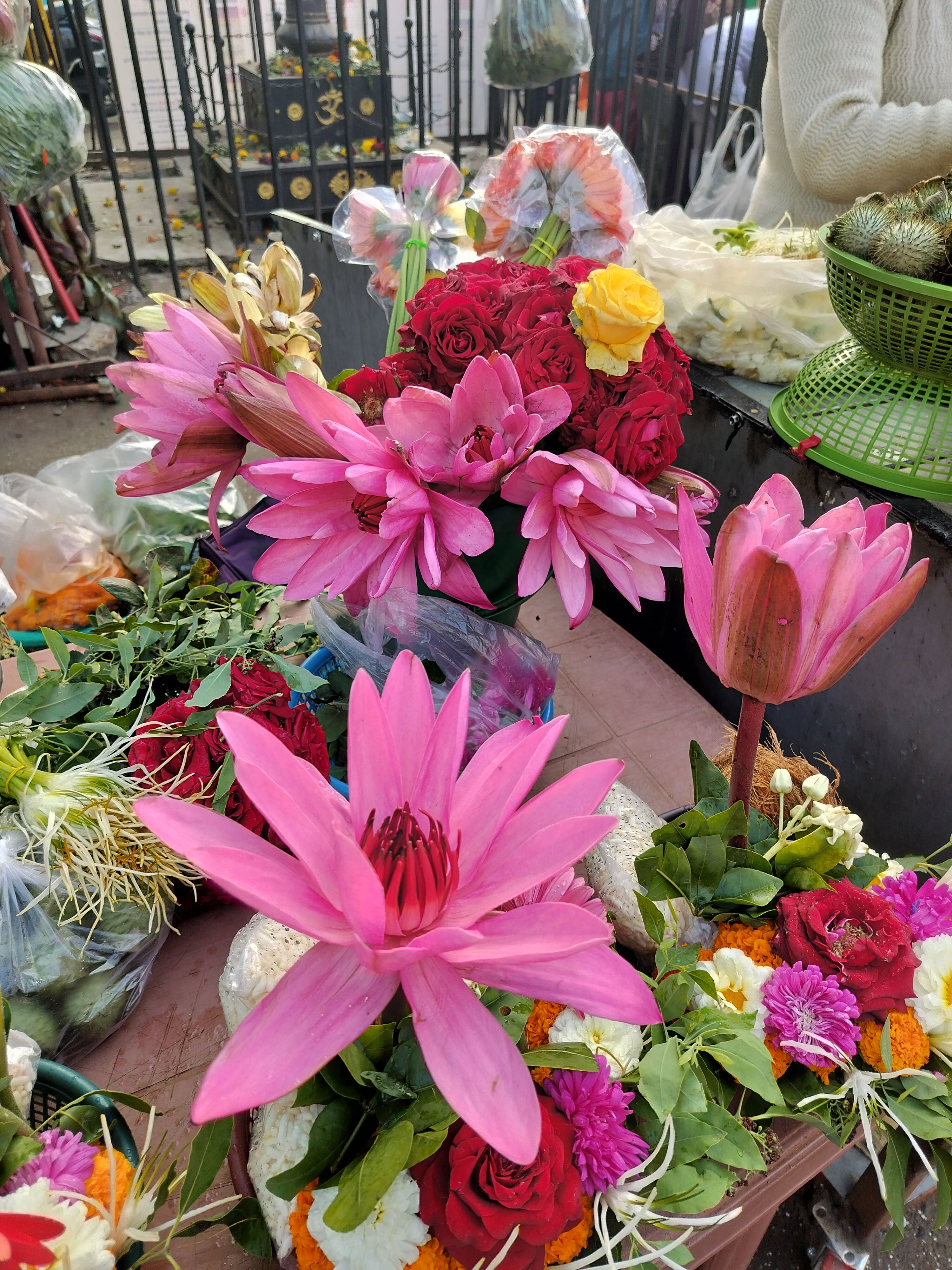

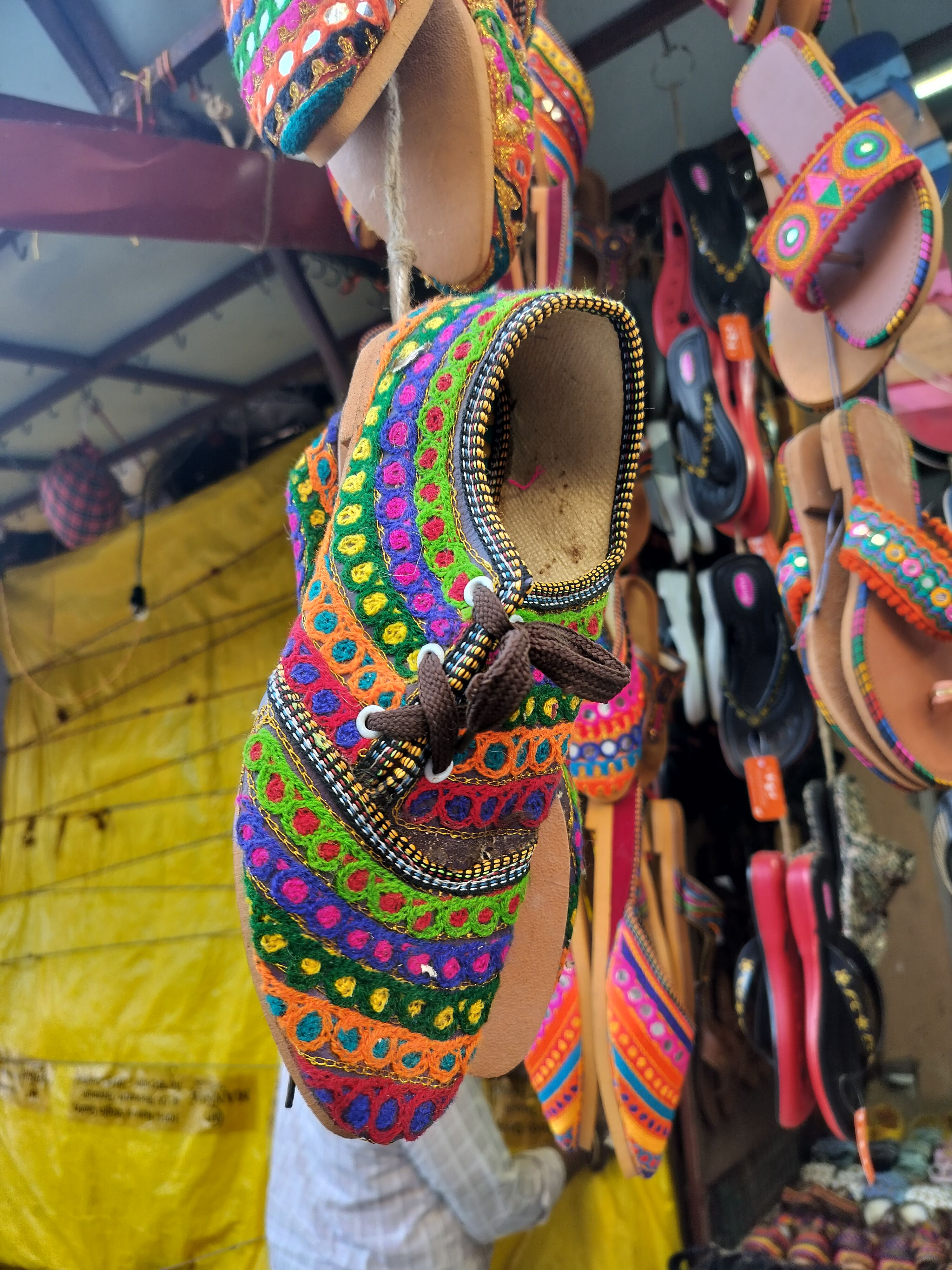
I would have liked more time to admire the magnificent temple, but everyone seemed to be in a hurry.
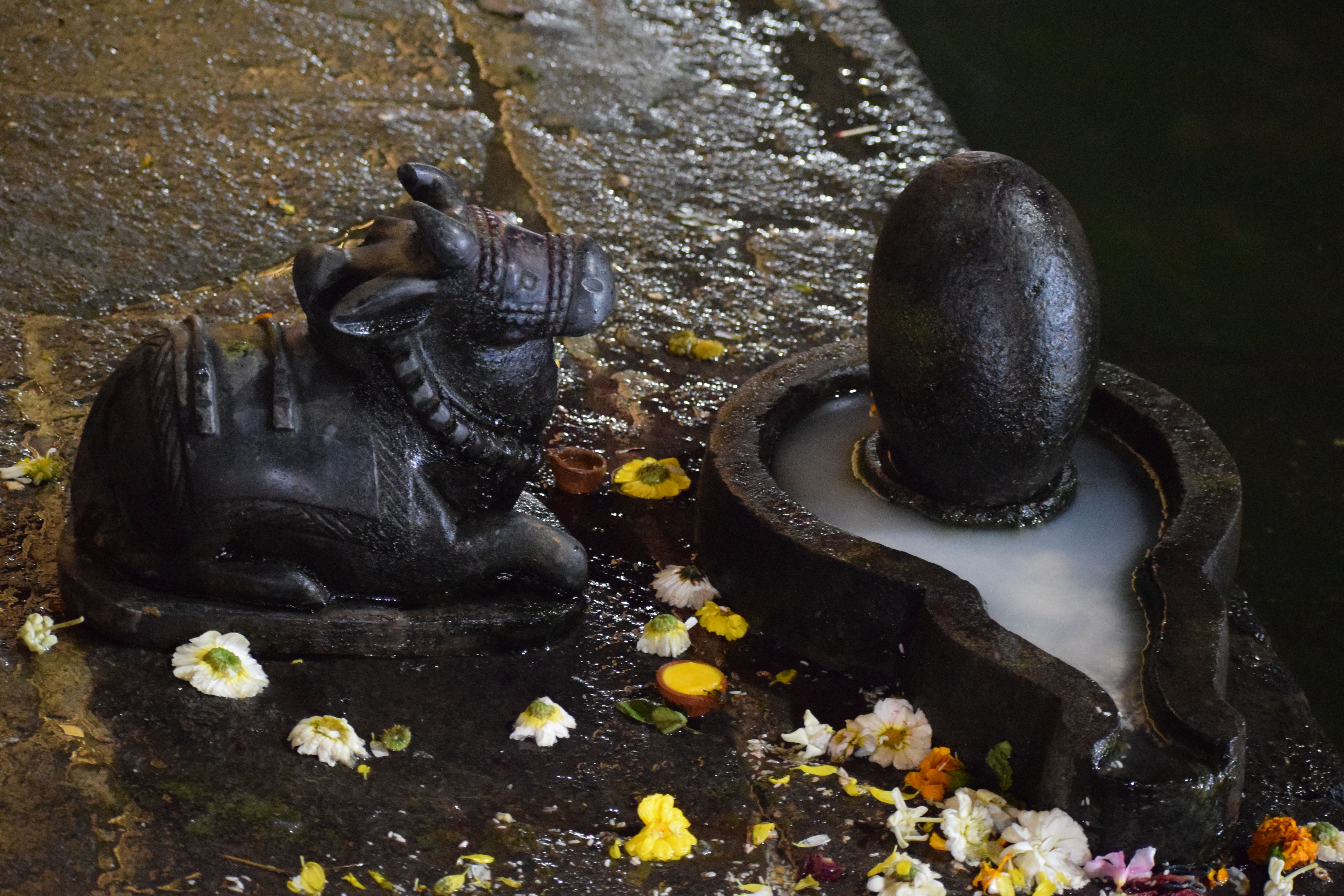
True to its name, the temple’s sanctum houses a unique three-faced linga representing Brahma, Vishnu, and Mahesh—the principles of creation, preservation, and destruction. A mirror has been placed above the main shivalinga, which is sunken into the ground, so one can observe the prayers uninterruptedly.
The origins of the temple remain hazy, but an Archaeological Survey of India plaque states that the glory of the jyotirlinga has been cited in the Skanda and Padma Puranas. The region is associated with sages Gautama and Gorakshanath, as well as Saint Dhyaneshwar.
The temple was constructed over a humble shrine by the third Peshwa, Balaji Bajirao (1740–1761), and later renovated by Ahilyabai Holkar in 1789. The intricately carved sculptures are a sight to behold.
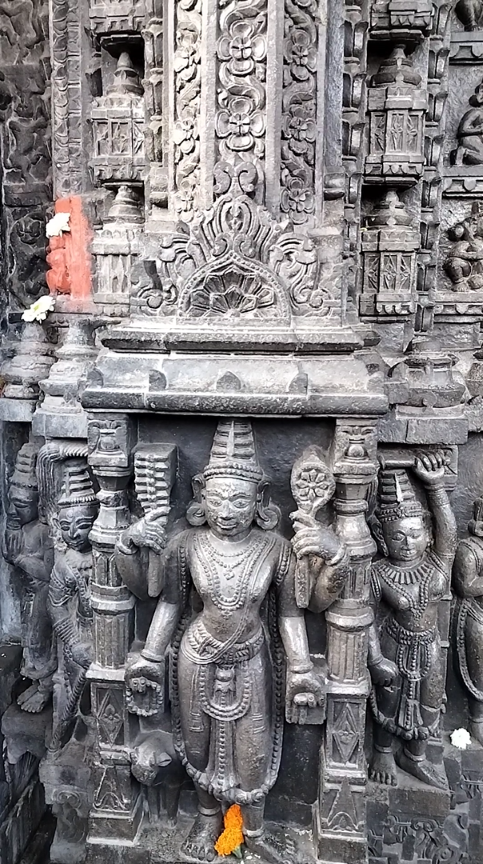
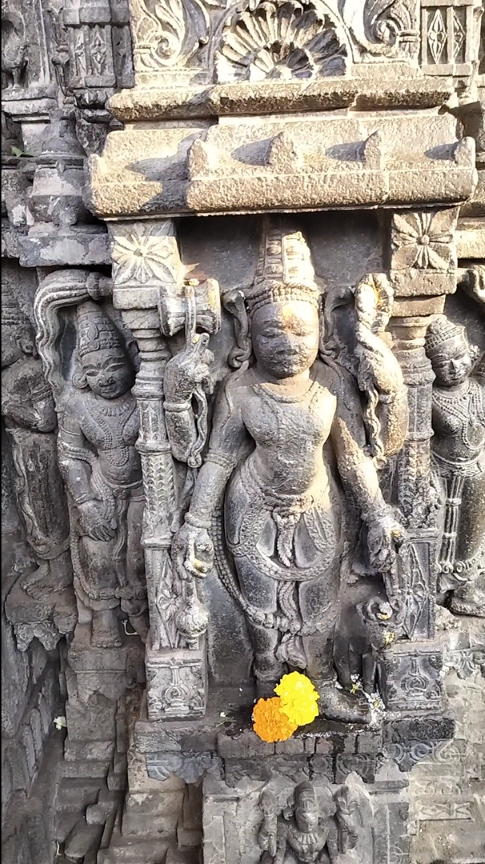
The original diamond crown that once adorned the linga was taken away by the British.
Spiritual Significance of Trimbakeshwar Temple
It is believed that visiting Trimbakeshwar absolves one of all ancestral curses and sins. The priests here maintain a genealogy register.
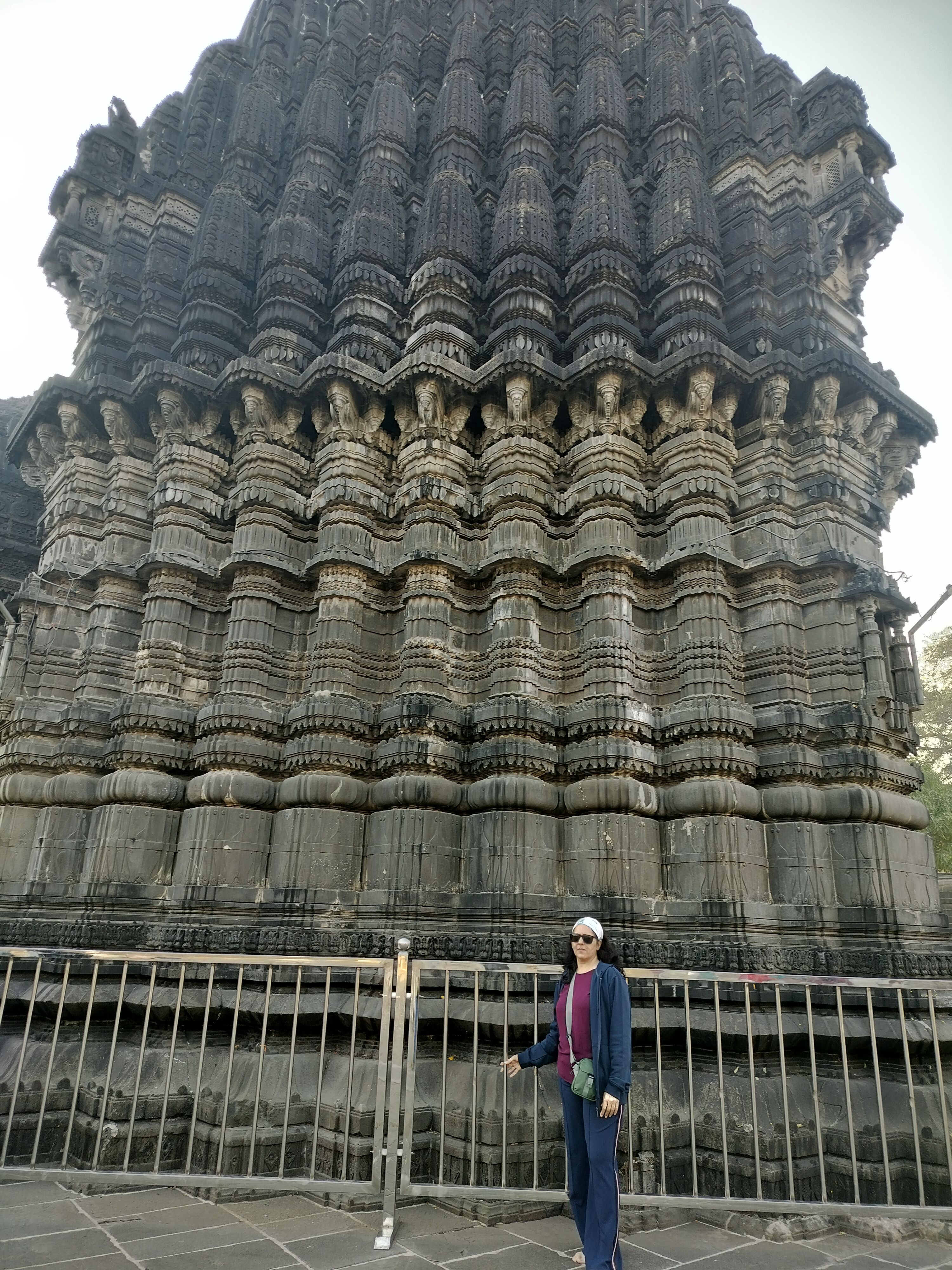
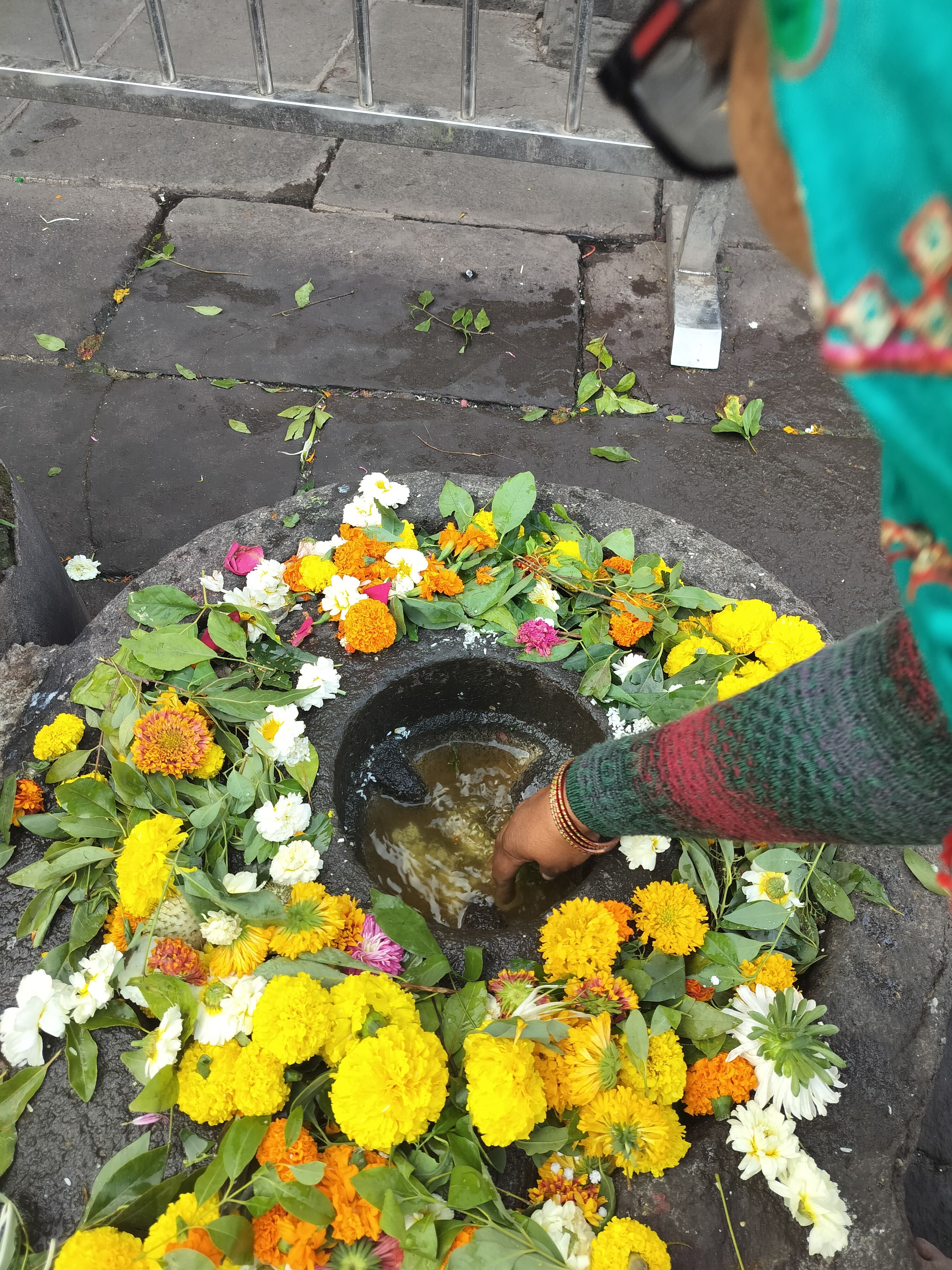

The temple is also the site of the Kumbh Mela, held every 12 years, which attracts millions of devotees who take a holy dip in the Kushavarta Kund, the symbolic origin of the Godavari River.
For me, the serenity was the most appealing aspect.
Panchavati: A Glimpse into the Ramayana Era
This was an evening trip, as participating in the Ganga Aarti was the prime focus. Panchavati feels like time travel. Named after the five banyan trees (panch means “five,” and vat means “banyan”) surrounding the Sita Gufa, it is now a buzzing maze of alleys and spice markets.
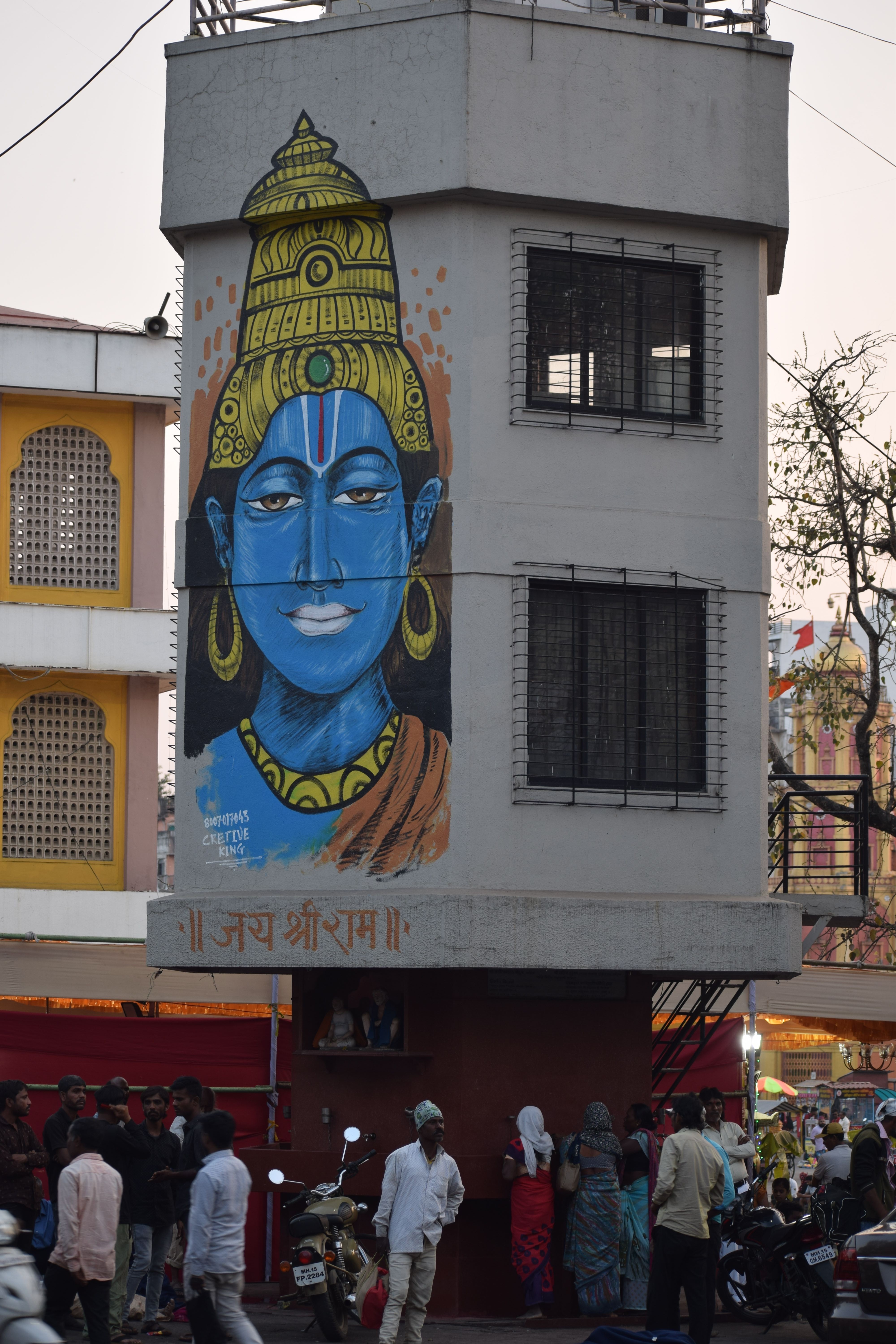

These five banyan trees provided a resting place for Lord Rama, Sita, and Lakshmana during their exile. The brothers also hid Sita in a gufa (cave) while they fought the demons. The cave is small and cramped, making it difficult for adults to crawl into.
Among the famous temples here, Kalaram and Goraram stand out. Their names say it all—the idols are black (kala) and white (gora), respectively. The temples also differ architecturally.
Kalaram Temple, an impressive structure, derives its name from the black stone idol of Rama. The original temple dates back to the Rashtrakuta period (8th-10th centuries), but the current structure was rebuilt in the 1700s, funded by Sardar Rangarao Odhekar. Legend states that Odhekar dreamt of a black idol of Rama in the Godavari River and miraculously recovered it.

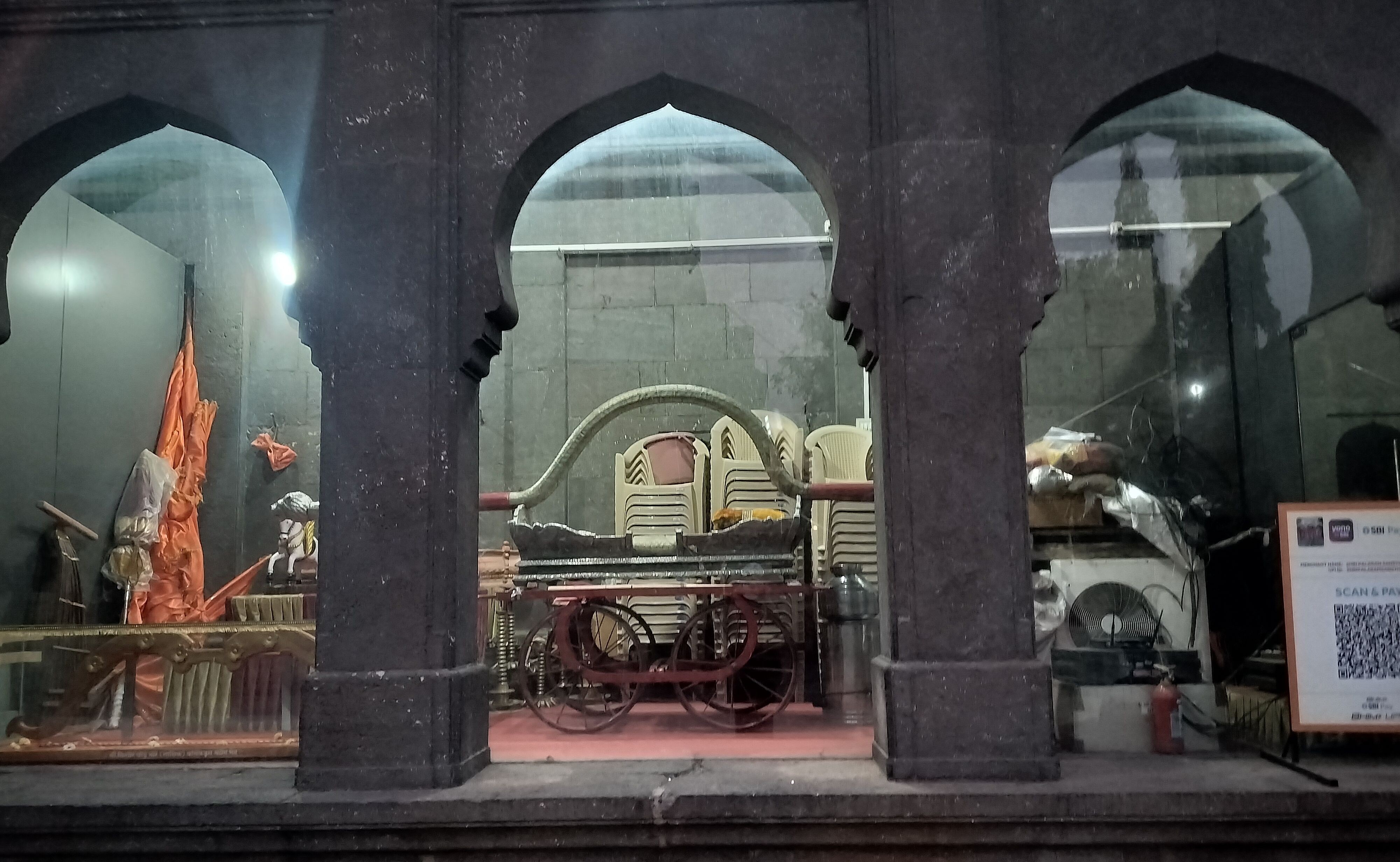
The temple played a key role in Dr. B.R. Ambedkar’s Kalaram Mandir Satyagraha in 1930, a protest demanding temple entry for Dalits, which led to intense social unrest until 1935.

Nearby, the Goraram Temple, built in 1782 by Deverao Hingne, houses white idols of Rama, Sita, and Lakshmana. Hinge is believed to be the lawyer of Madhavrao Peshwa (probably this refers to Madhavrao II, the 12th Peshwa, going by the dates). Currently, the temple is maintained by the Padmanabhi family.
Another notable site is the Kapaleshwar Temple, a rare Shiva temple without a Nandi idol and lots of steps.
Exploring Panchavati on foot is ideal, but we were short on time. As the sun set, we made our way to Ramkund for the evening aarti.

The Enchanting Ganga Goda Aarti at Ramkund
Ramkund, a sacred bathing ghat dedicated to Lord Rama, is where devotees take a dip in the Godavari to cleanse their sins.
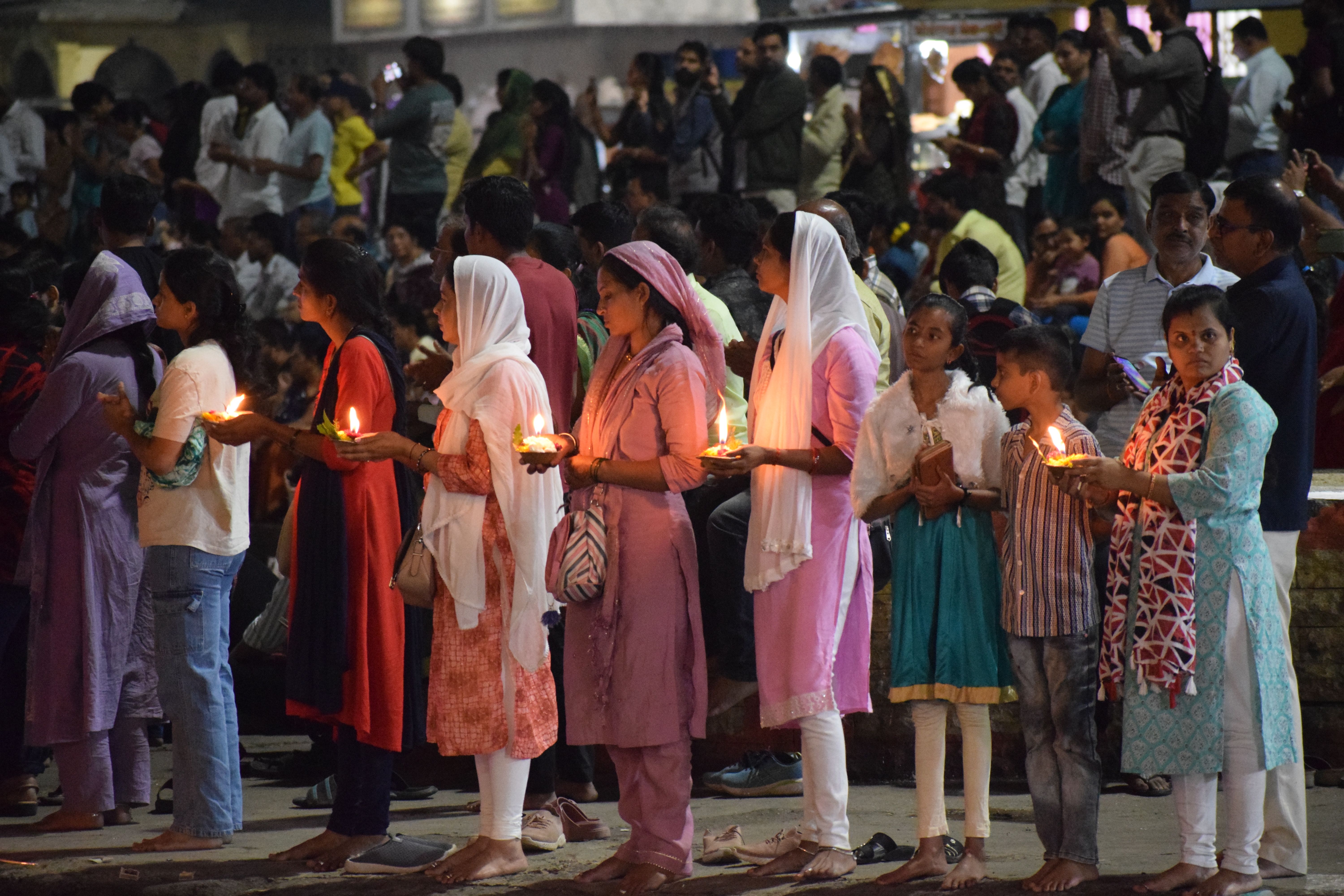
The evening aarti features two distinct groups on opposite sides of the kund, so arriving early (around 6 pm) allows you to witness both ceremonies.
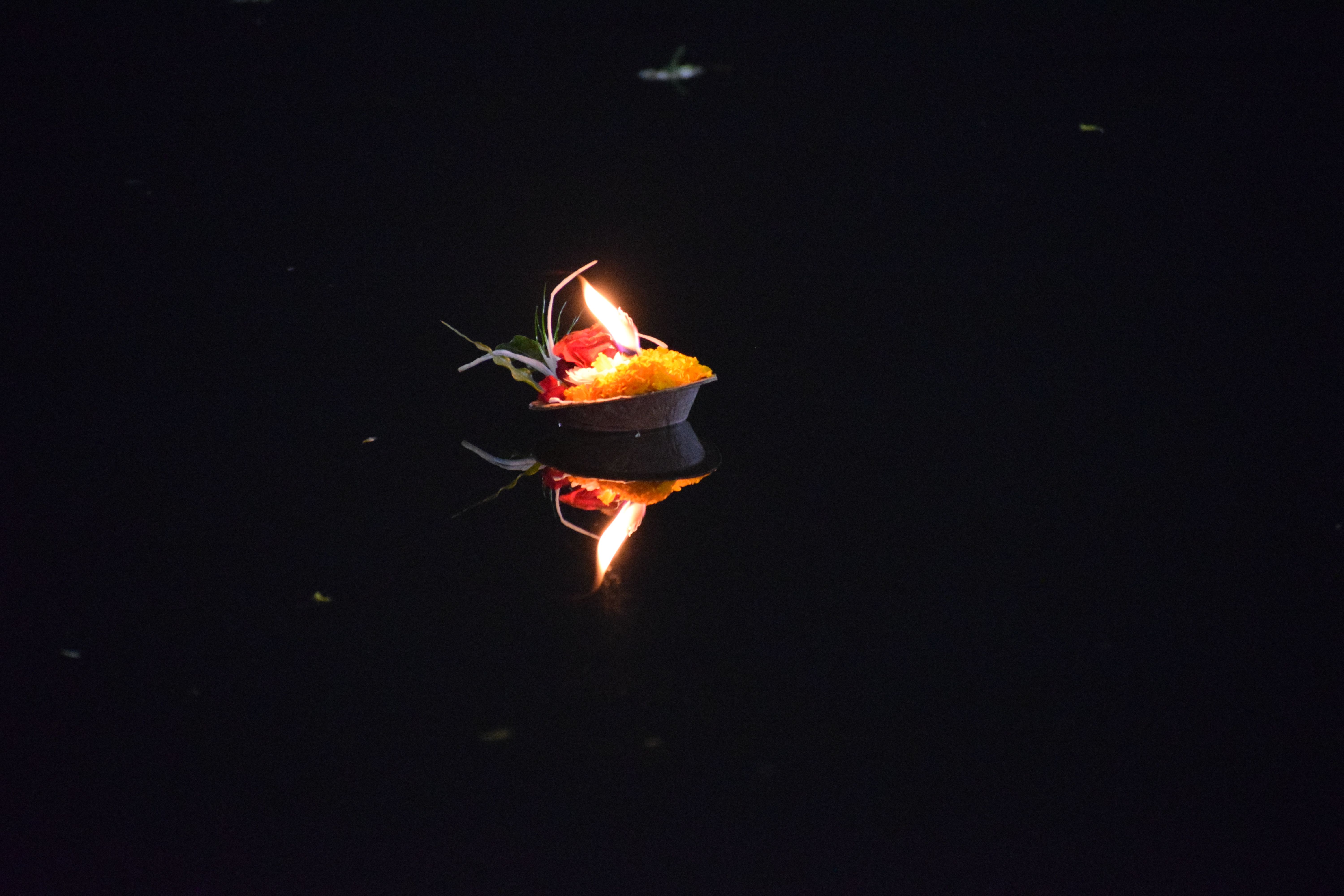
With Vedic chants, a lineup of priests holding massive oil lamps, and rhythmic bell sounds, the atmosphere was mesmerizing. Devotees swayed to the rhythm, hands folded. Some bathed, while others floated flowers and diyas in the kund.


All too soon, we were slipping on our shoes and heading back to our luxury tents.



Planning Your Trip
If you plan to visit this sacred land, the Eco Glamping Festival runs till March 31. Various tent options—Deluxe, Royal, Presidential, and Pods—offer modern amenities, good food, transport, water activities, and expert-guided excursions. Traditional dance performances add to the experience before bedtime.
Best Time to Visit Nashik
To experience Nashik’s spiritual aura and pleasant climate, visit between October and March. A stay of 2–3 days is recommended.
How to Reach Nashik
- By Air: The nearest airport is Ojhar Nashik International Airport (24 km from the city centre).
- By Train: Nashik Road Railway Station is about 10 km away from the city centre.
- By Road: Nashik is well-connected by road, located 3 km from the central bus stand.

 Queen of Treasures
This was such a beautiful read! Nashik has always fascinated me with its deep-rooted history and spiritual vibe, and your experience just adds to its charm. A friend of mine lives there and keeps insisting I visit—I think it’s time to finally plan a trip.
LikeLiked by 1 person
Yes, I didn’t go on the city, the outskirts are awesome
LikeLike