
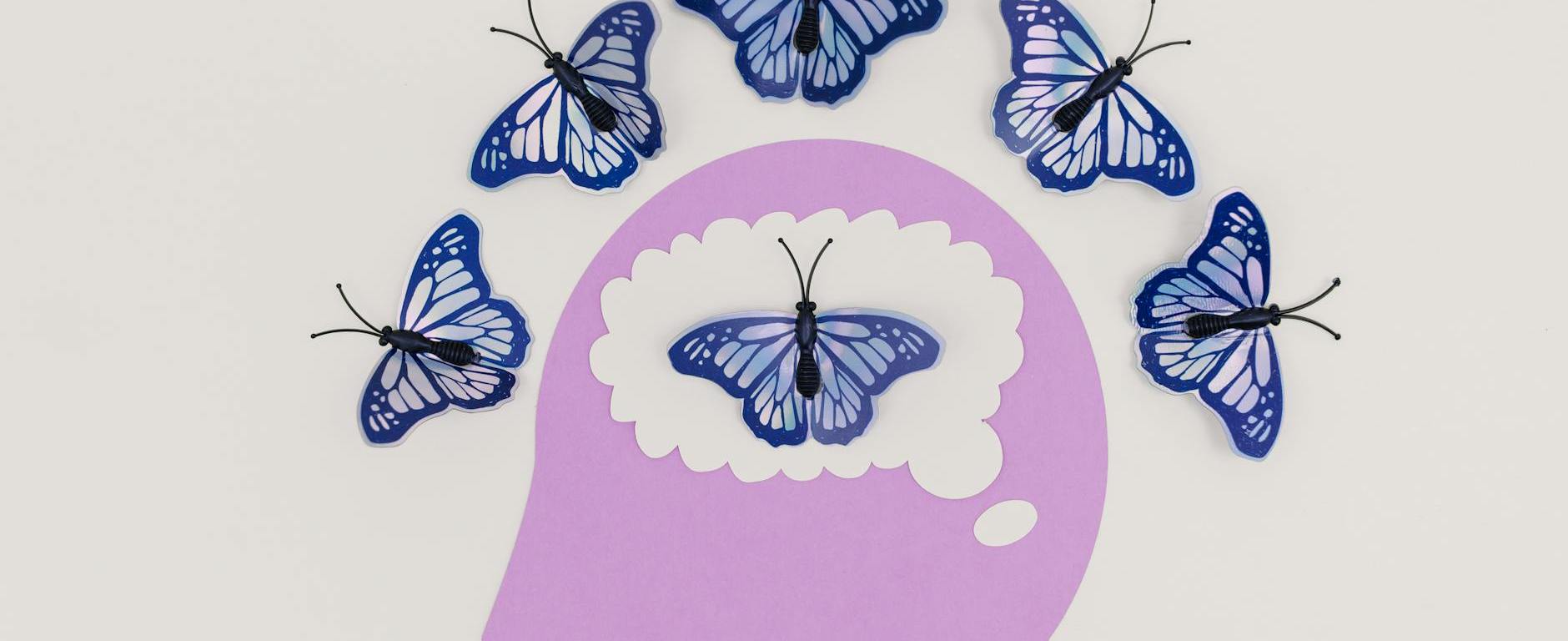
Intrigued by the latest mental wellness buzz on TikTok – “brain flossing” – I embarked on a quest to understand this concept of mental decluttering and its potential to reduce stress. While social media touted 8D music as a helpful tool, my own exploration revealed a more nuanced picture, leading me to delve into personal techniques that truly feel like a mental cleanse.
Browsing through the daily news, the latest mental health trend on TikTok caught my attention–brain flossing. Like all the media outlets, my brain asked the same question: “What is ‘brain flossing’, and can it scientifically reduce stress?”
Much like flossing your teeth, brain flossing is about decluttering your brain which isn’t as easy as it suggests. TikTok and media articles say that 8D music has proven to be helpful in reducing the mental clutter. I didn’t find any scientific evidence pointing to this. But I did check out the 8D audio: What is it and what’s the hype all about?
How does 8D music work? This music offers an immersive listening experience in which the sensation of music or sounds feels like they are moving around your head. The ideal way is to wear good headphones, sit in a quiet place and practice regularly. This auditory experience is believed to stimulate both brain hemispheres, leading to reduced stress and enhanced focus. To be honest, it didn’t do much for me.
Way back, I had heard ragas in a healing session at Nimba Nature Cure in Gujarat. I also attended a night-long Gong Bath, sound healing, in 2024. Those were true blue brain flossers! I like handpan music, Aztec flute, tabla, jazz, live music sessions, especially Sufi folk. Mantra japa and prayers have also worked well for me, when I sit in an isolated spot and do them silently, letting my mind focus on the words.
Let me share an easier brain flossing technique that has helped me a lot. This requires a bit more intentionality and structure, besides good music.
1. The Mental Sweep (Morning Ritual):
- What it is: First thing in the morning, before the day’s demands crash down, I take 5-10 minutes for a mental sweep. I consciously scan my mind for any lingering thoughts, worries, or to-dos from the previous day.
- How it feels: It’s like gently nudging mental debris to the surface. Sometimes it’s a random thought about a conversation, other times it’s a nagging feeling about an upcoming deadline.
- The “Floss”: Once I identify these mental bits, I don’t dwell on them. Instead, I acknowledge them briefly and then mentally “release” them. I might visualize putting them in a metaphorical box to deal with later, or simply letting them float away like balloons.
2. The “Thought Journal” Dump (Mid-Day/Evening):
- What it is: Throughout the day, thoughts and anxieties can accumulate. I keep a simple digital note or even a physical notebook handy. When I feel my mind getting cluttered, I do a “thought dump.”
- How it feels: It’s like emptying a full container. I just write down whatever is swirling in my head, without judgment or editing. It can be a list of tasks, a rant about a minor annoyance, or a worry about the future.
- The “Floss”: The act of writing it down seems to take the edge off these thoughts. It’s like externalizing the mental clutter. Later, I might review the journal and identify actionable items or recurring patterns, but the initial dump is purely for clearing space.
3. Focused Attention Exercises (Throughout the Day):
- What it is: These are short bursts of focused attention on a single thing. It could be mindful breathing, paying close attention to the sensations while drinking a cup of tea, or really concentrating on the task at hand without letting my mind wander.
- How it feels: Initially, it can be challenging to stay focused. My mind loves to jump around! But with practice, it feels like sharpening a mental muscle.
- The “Floss”: By intentionally directing my attention, I’m preventing new mental clutter from forming and strengthening my ability to stay present. It’s like preventing plaque buildup.
4. The “Mental Reframe” (When Negative Thoughts Arise):
- What it is: When a negative or unproductive thought pops up, I try to consciously reframe it. This isn’t about ignoring negative feelings, but about challenging negative thought patterns.
- How it feels: It requires conscious effort and can sometimes feel a bit forced at first. But when it works, it’s like untangling a knot in my thinking.
- The “Floss”: By actively changing my perspective, I’m preventing negative thoughts from taking root and creating more mental clutter.
Challenges
The biggest challenge so far is consistency. It’s easy to get caught up in the day and forget to do my mental sweep or thought dump. Also, some days the mental clutter feels particularly stubborn and resistant to “flossing.”
Looking Ahead
I want to experiment with incorporating more visualization techniques into my mental flossing routine. I’m also curious to see if the benefits become more pronounced over time.
What about you? Have you ever consciously tried to “clear” your mental clutter? What techniques do you find helpful? Share your thoughts in the comments below!
I’m participating in #BlogchatterA2Z
Recommended Reading
A: Chandigarh Rock Garden Concern: Why Public Art Matters
B: Bhimtal: The Emerald Beauty in Uttarakhand
C: Chambal Valley: Outlaws, Temples & Tales of the Ravines
D: Blogging: Dinosaur or Bird? Relevance & Mental Health Impact
E: Navigating Eco-Anxiety & the Mental Impact of Environmental Loss

 Queen of Treasures
I’ve honestly been feeling that exact same clutter in my brain lately—scrolling endlessly, feeling wired but weirdly tired. TikTok, reels, trends… it’s like mental fast food. Tastes good in the moment, but leaves you bloated with overstimulation. 😅 I loved how you called it “brain flossing”—so perfect! I’ve started doing mini detoxes too, and it’s wild how peaceful silence can be. Your journey of tuning out the noise to tune into yourself really resonated with me. We all need to take a pause and remember we’re more than algorithms and dopamine hits
LikeLiked by 2 people
algorithms are toxic! they are like detention rooms :D
LikeLiked by 2 people
“Brain flossing” – what a great term! Linda xx
LikeLiked by 2 people
Frankly, when there is too much on the plate, it becomes so hard to focus. I am glad that you shared this mental cleanse process.
LikeLiked by 2 people
This was such a refreshing read! I love how you explored both trending tools like 8D music and your personal methods with honesty. The “mental sweep” and “thought dump” ideas really stood out—simple yet powerful. Definitely going to try these!
LikeLiked by 1 person
I was aware of Brain Flossing… but 3D Music popped out as a surprise, Ambika. Interesting piece there. Let me add here that of all the people I have met, you are the last person who would ever need ‘brain flossing’ techniques. :)
LikeLiked by 1 person
Wow. I guess we all see different sides on the surface. My head is always spinning 😄 but since I toned down on scrolling and rampant going out, life’s easier. 😊
LikeLike
‘Brain flossing’ is such an interesting term! For me, mantra japa and listening to the sitar, or a soothing fusion have always helped. A quick ‘thought dump’ to clear the mind around midday or in the evening sounds like a great idea too.
LikeLiked by 1 person
Prayers are truly among the most powerful brain clarifiers.
LikeLiked by 1 person