
The beauty of travel is that it always leaves you with something unique—a memory, a souvenir, a person, an experience. The nature of travel is transient, but the impact is long-lasting. Whenever you return to a place, a new discovery awaits.
Nature is Calling
While I haven’t revisited most of my work-related travel destinations, my photo archive remains a cherished treasure. Recently, while organizing my drive, I stumbled upon my first published photographs—a snapshot of my journey to Kali Tiger Reserve, Karnataka, in late 2016. Tasked with covering an off-the-grid homestay and just a few hours left for boarding the flight, I purchased my first camera, a decision that changed my visual viewpoint. That trusty camera still captures moments beautifully, despite its age.
This trip was a series of firsts. It was my introduction to remote living in the buffer zone of a national park, with a rice farmer as the neighbour. I woke to the symphony of unfamiliar birdsong. The gurgling brook, the pristine waterfalls, the homestay powered by solar panels and wood-heated water, the open kitchen—it was a journey back in time. This digital detox, where network access required a hike to the nearest hillock, was a unique experience.
Lunches by the brook, farm-to-table meals, a mud oven and bench—it was a world I’d only encountered in books. To witness it in reality was mesmerizing. I could have easily traded lives with the homestay owner in that moment.
Jungle Hikes and Wildlife Encounters
The guided hikes through the dense jungle were the highlight. The fauna watched us, hidden in the foliage. The rustling leaves and distant calls hinted at the presence of creatures, unseen but keenly aware of our passage.
It was here I discovered the greater coucal, its vibrant plumage was captivating. And then in my photo dump, I also discovered a picture of the orange headed thrush. Sadly, my photo skills were not developed for birds and animals at that stage, and those pictures are hazy. Giant Malabar squirrels, their large forms gracefully leaping through the canopy, were a frequent sight. I’d crane my neck to watch the woodpecker, its rhythmic “tok tok” echoing through the trees.
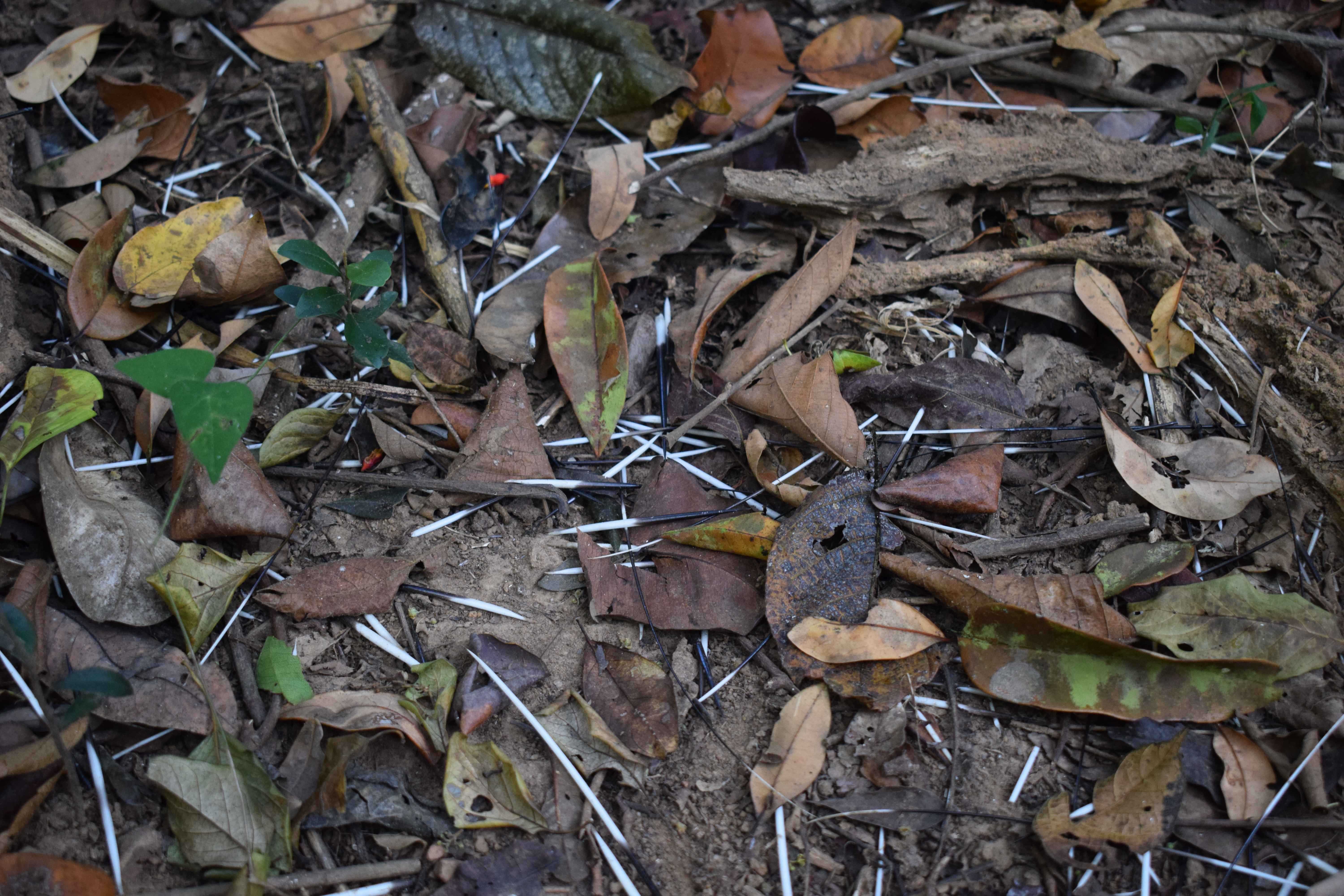
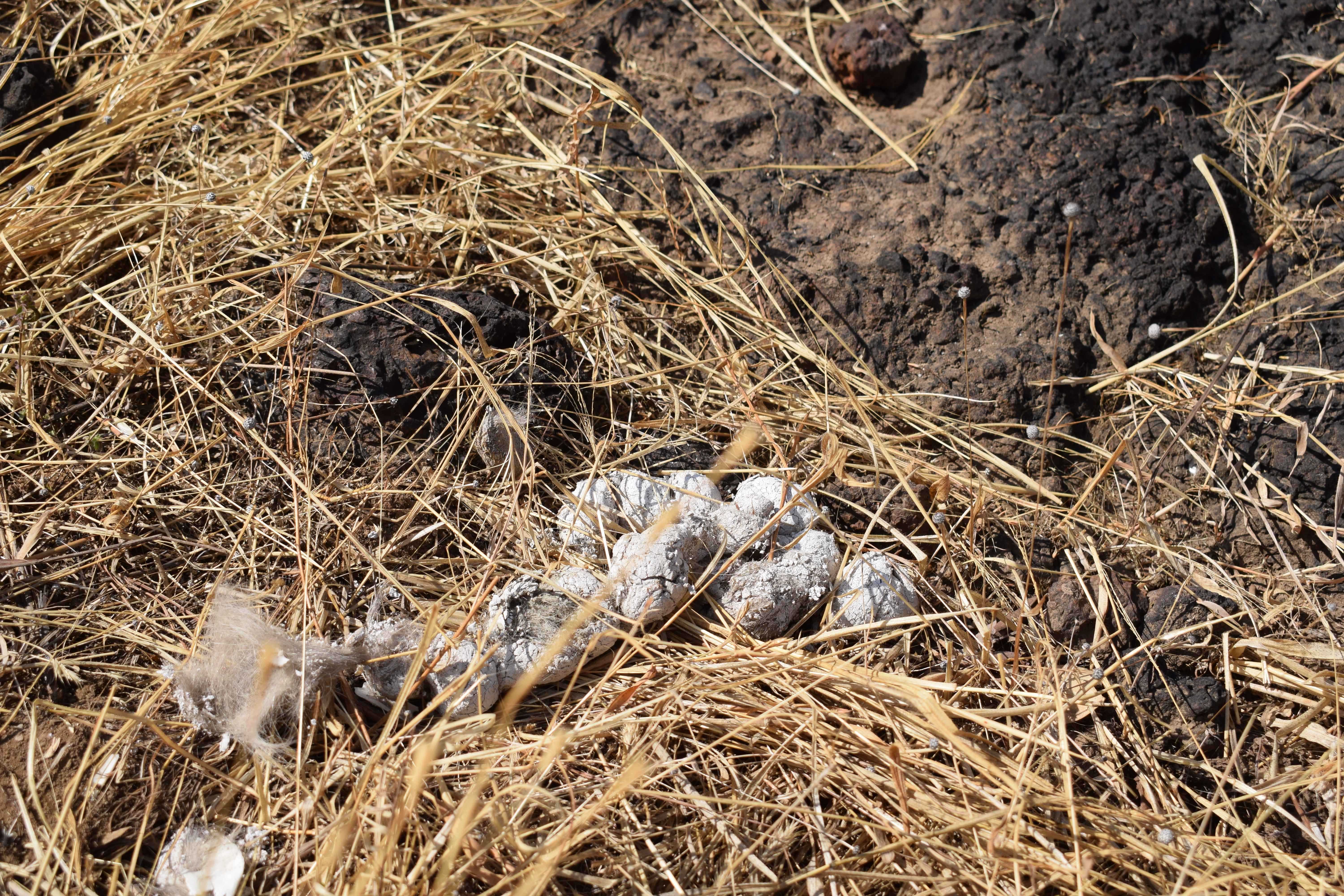
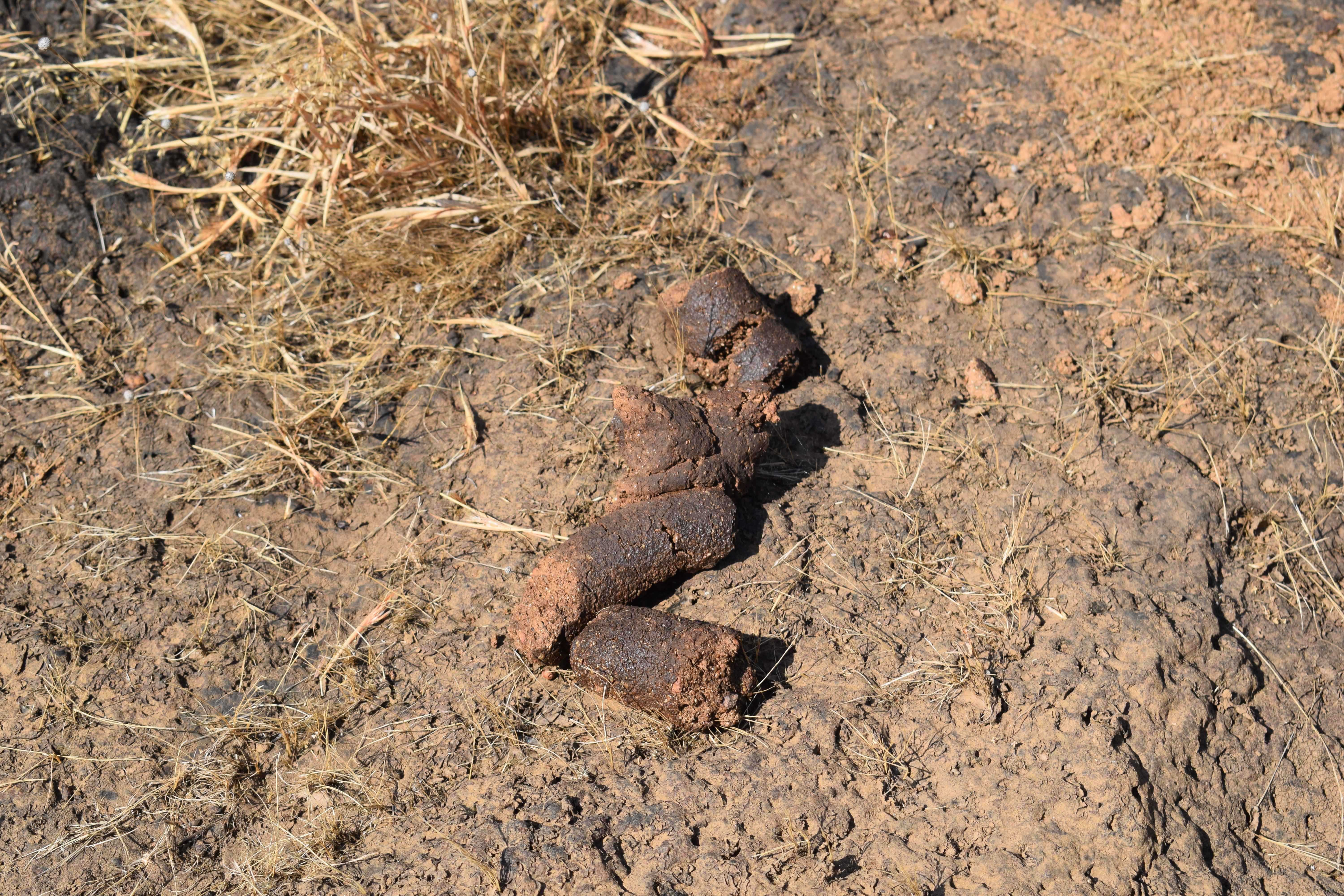

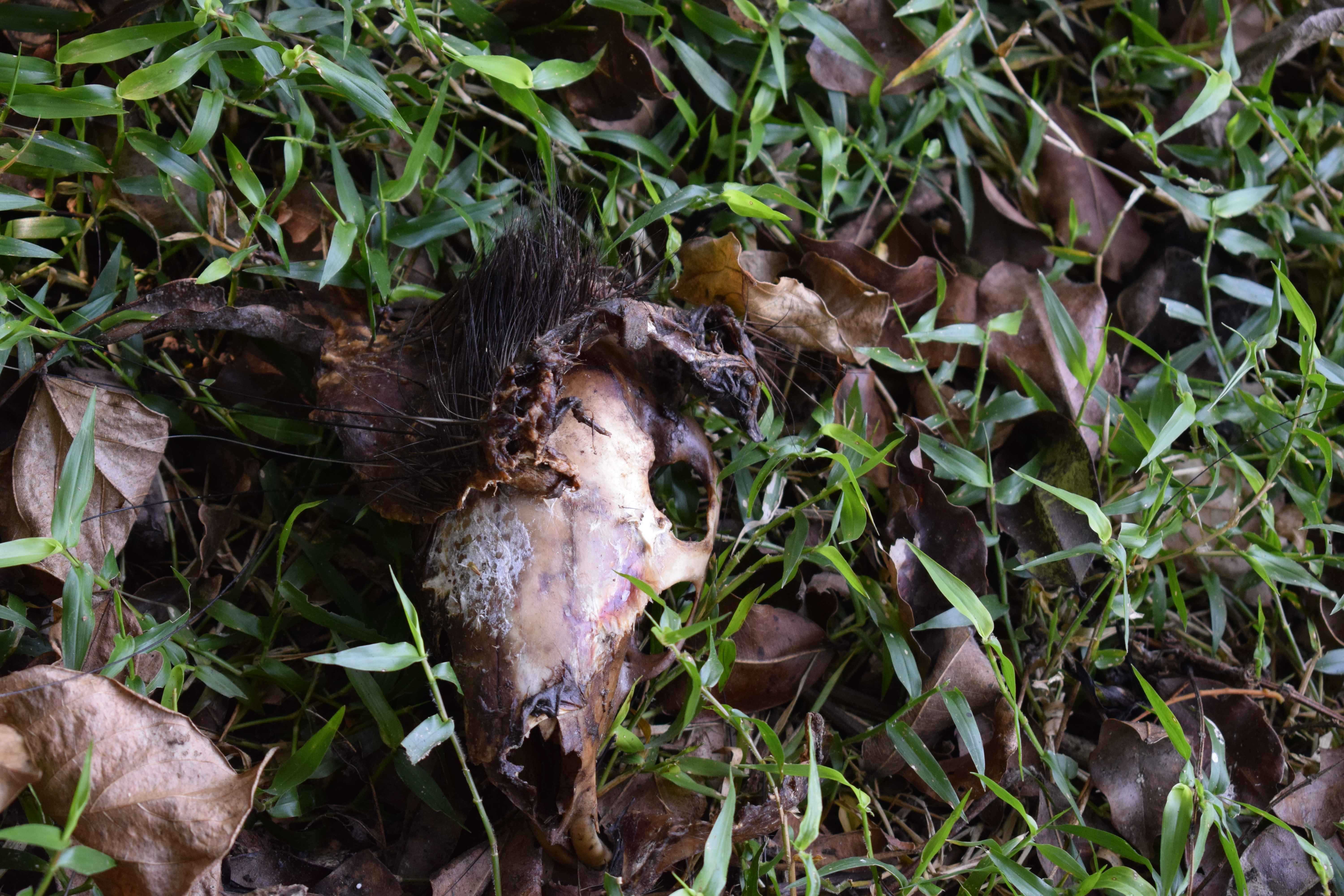
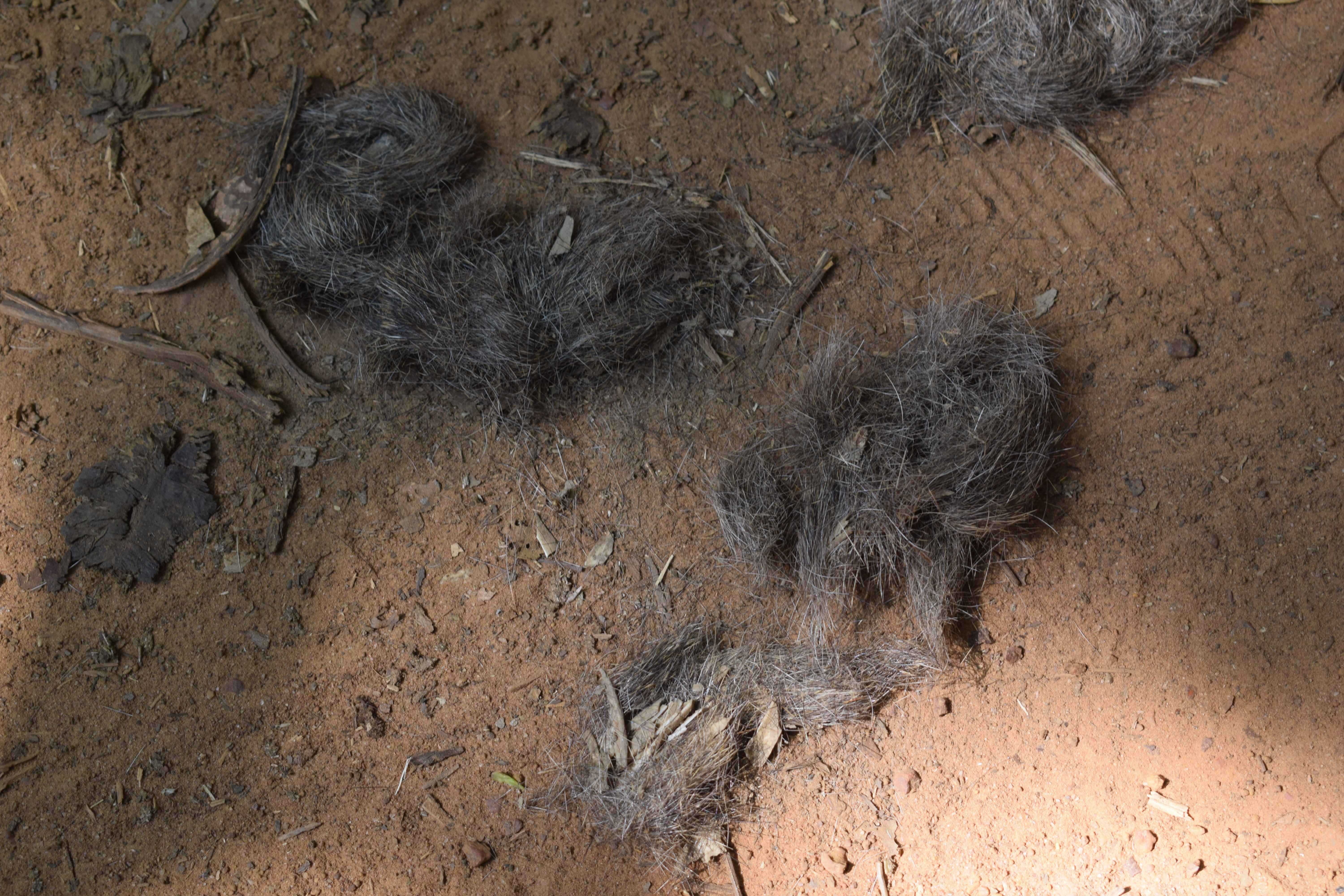
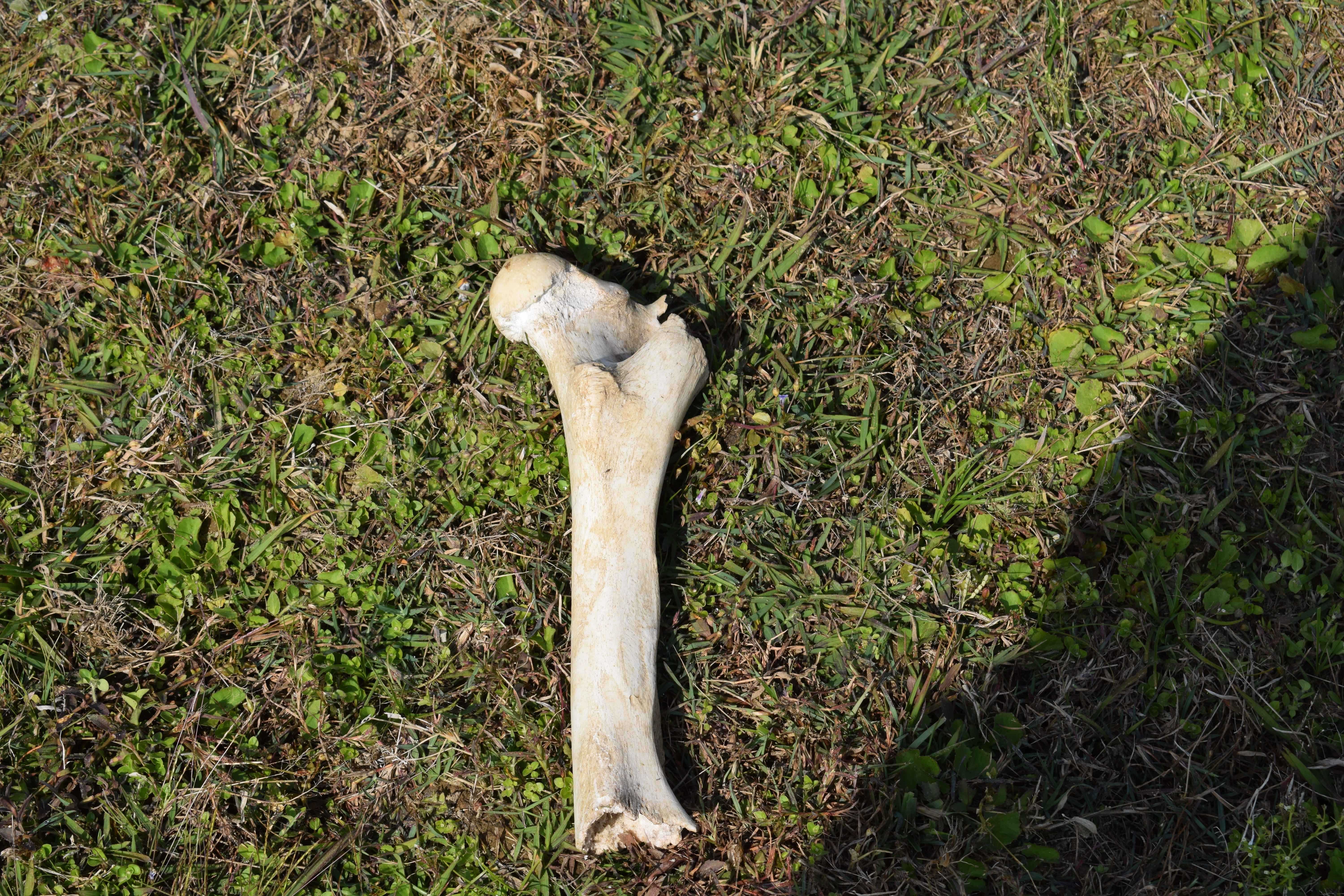

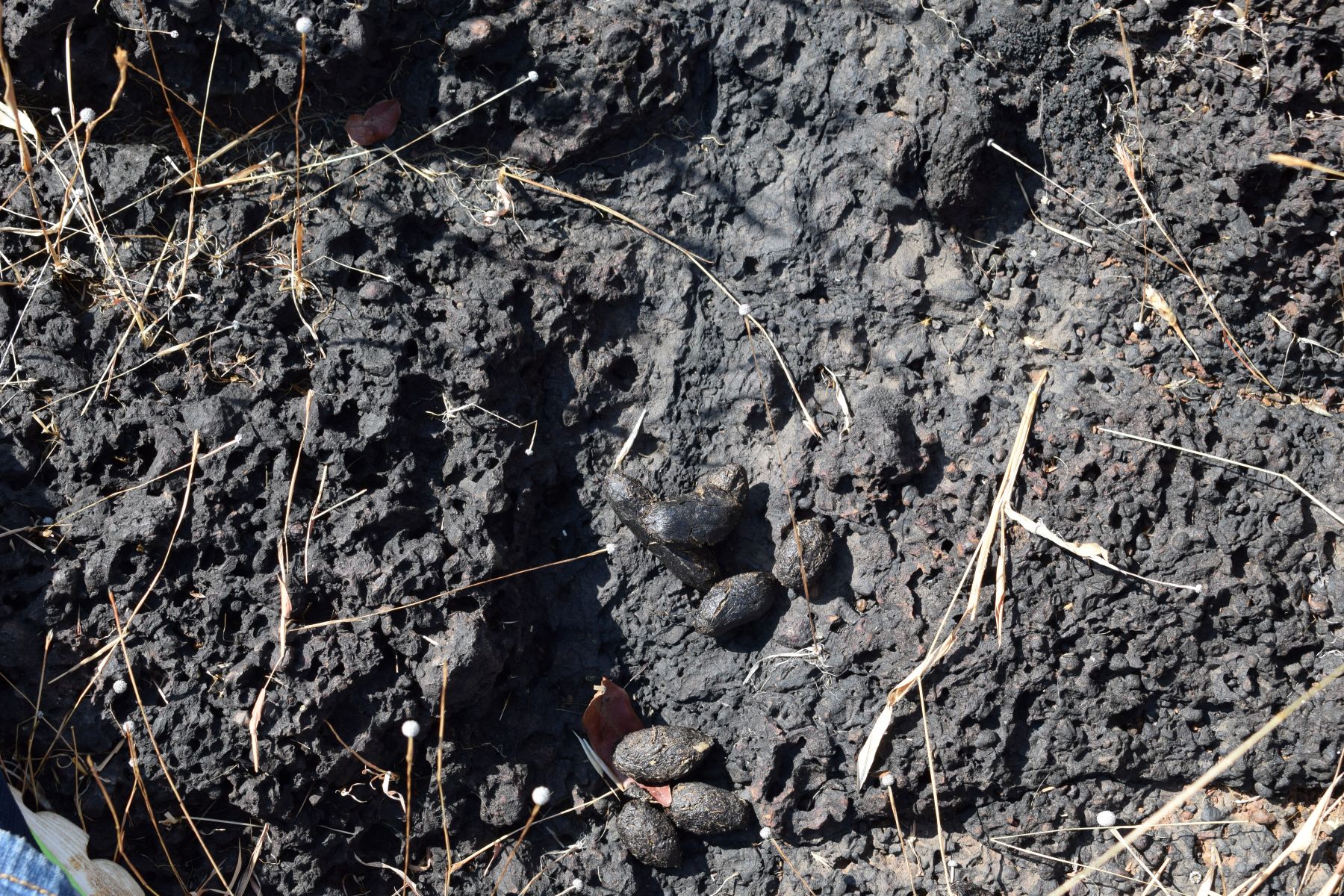
We trailed porcupines, guided by the telltale signs of their presence—their droppings and discarded quills, indicators of their nocturnal wanderings. A hidden barking deer, its soft, alarmed calls, became our silent companion on one hike.
Unfortunately, I didn’t see the famed sloth bears and leopards, though the droppings showed that they had crossed that trail.
The true pleasure of these hikes lay in listening to the jungle’s symphony, not our own voices. Silence unveiled new vistas and sounds, fostering a deep connection with the forest and its inhabitants.
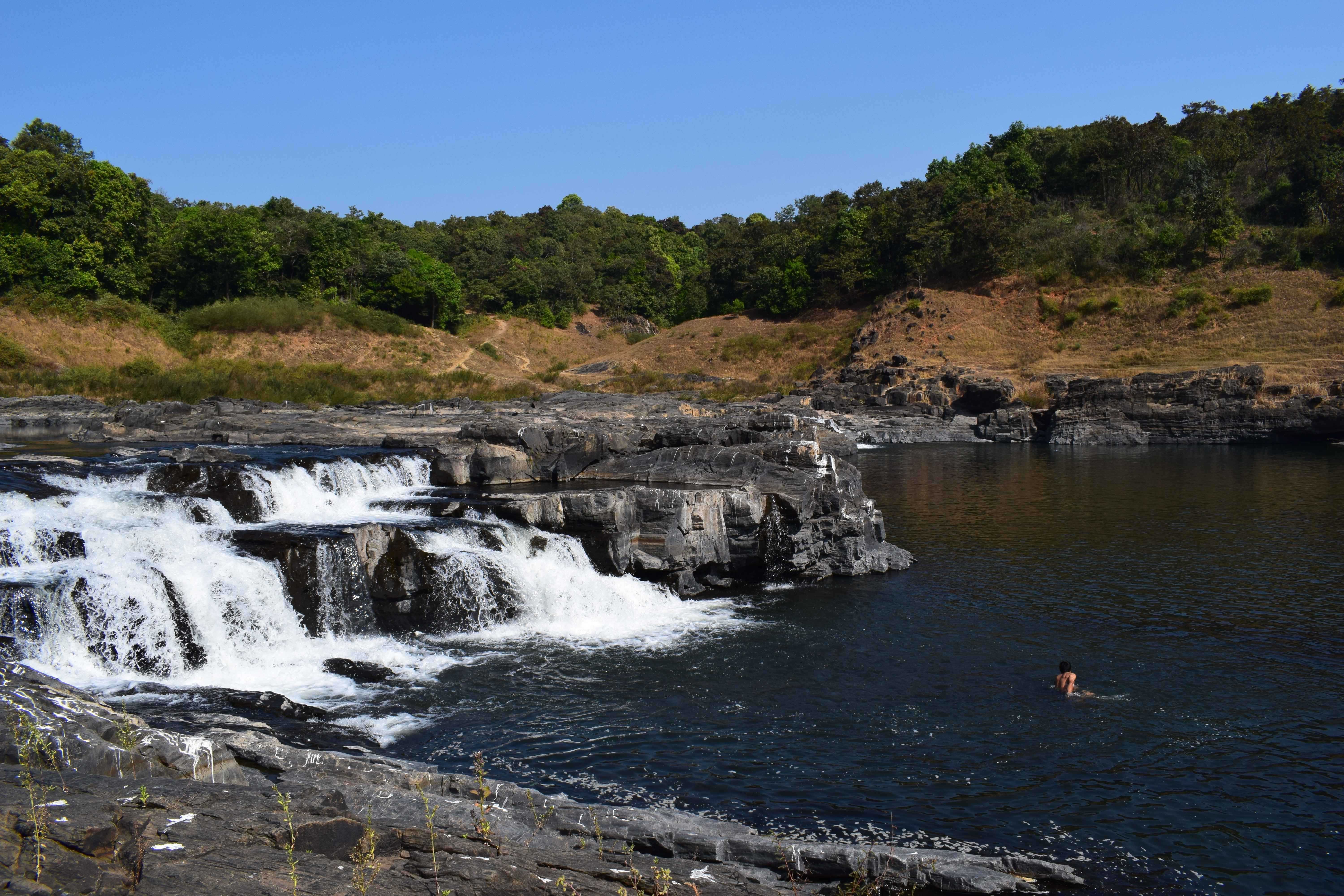
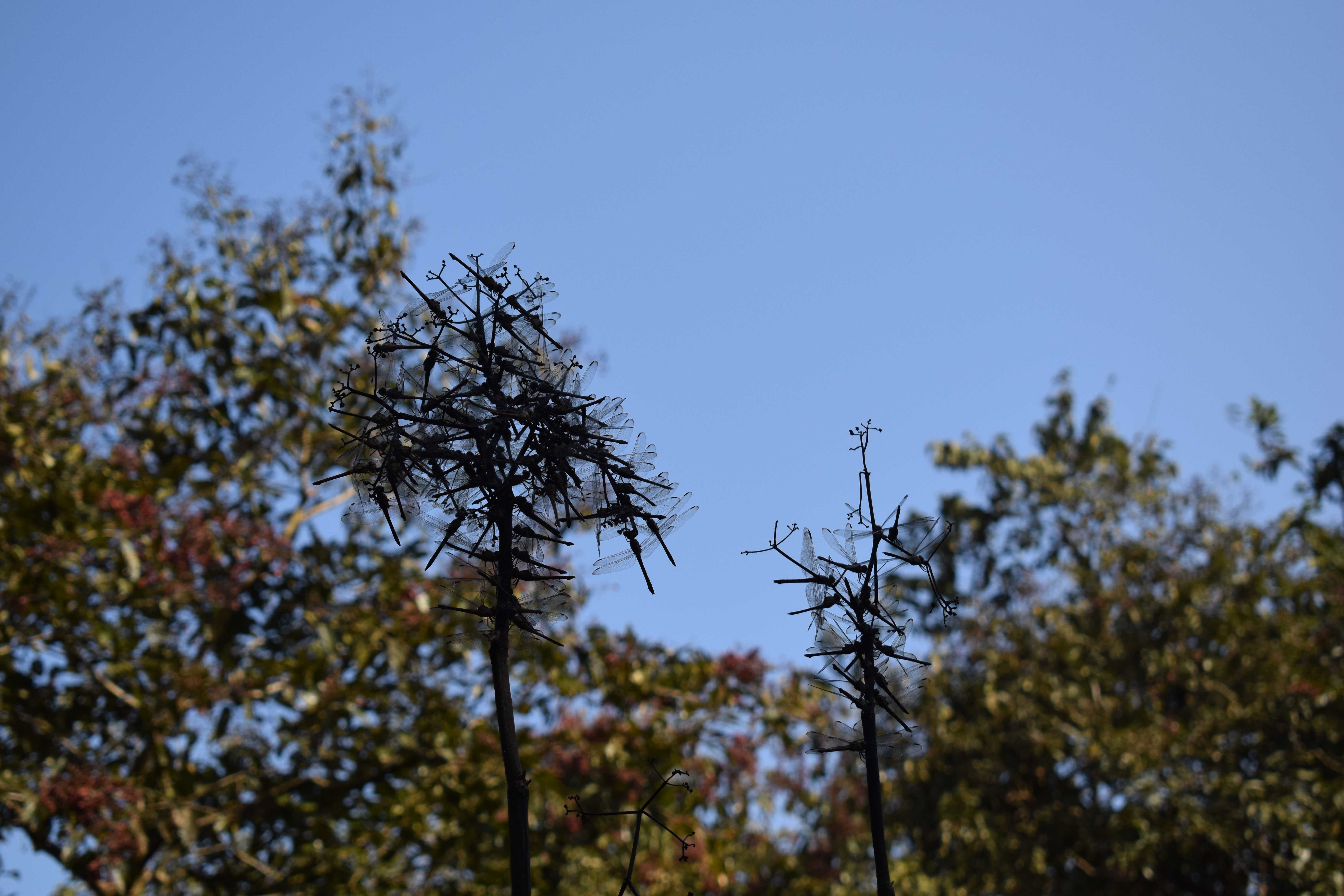
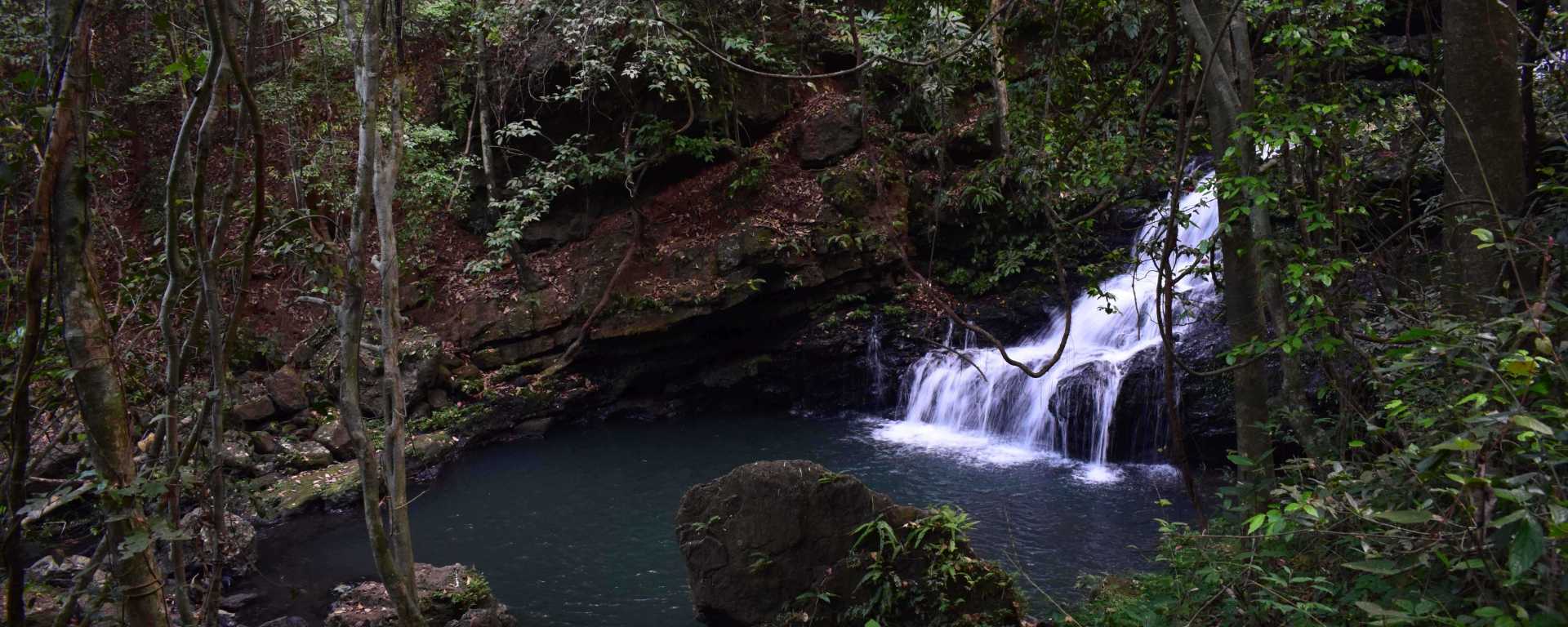
On the hike to Vajra waterfalls, porcupine quills and a skull marked a trail we didn’t pursue. A flight of dragonflies rested on a dead branch, their iridescent wings catching the light. Through narrow pathways and dense foliage, we stumbled upon the glistening rocks and the shimmering falls. The magnificent cascade flowed smoothly into a large lake, where tadpoles darted among the rocks.
A rickety wooden bridge led us to Aaveda, a village of 12 houses that grew rice. A wild bison moved through the dense greens, a distant, magnificent silhouette.
The Homestay Experience
For four days, the forest, sky, sunshine, butterflies, and birds were my companions. There were no locked doors, just the vast expanse of nature. I felt like I was in an enchanted forest.
My “clock” was the neighbor’s rooster, whose hourly “cock-a-doodle-doo” marked the passage of time. Jungle nights were eerie, every rustle and movement sounding like a visiting ghost or a prowling leopard.
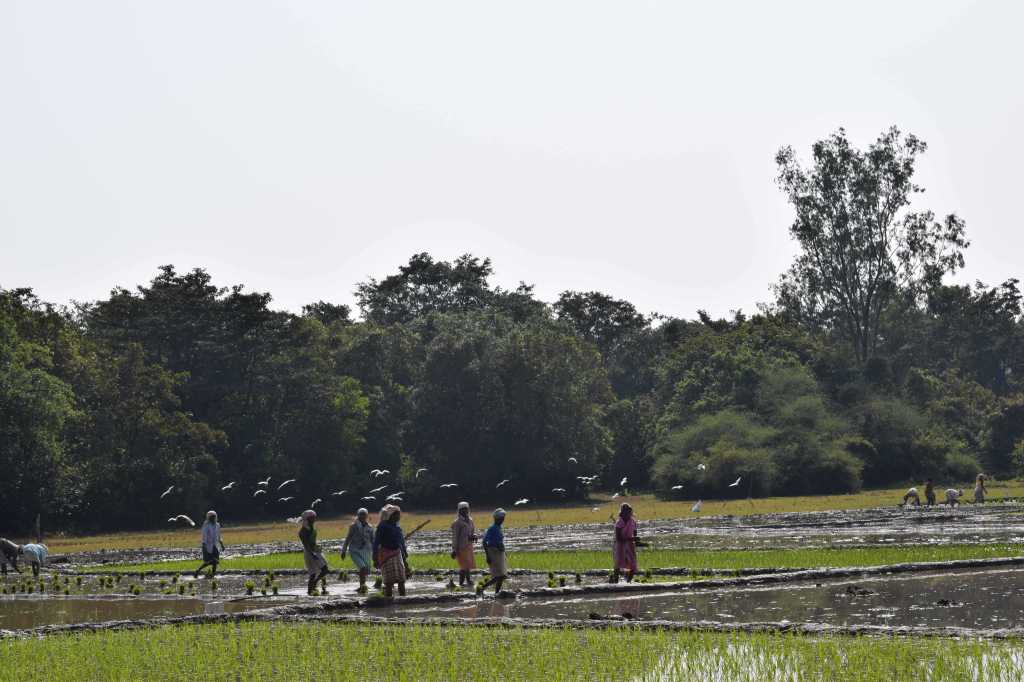
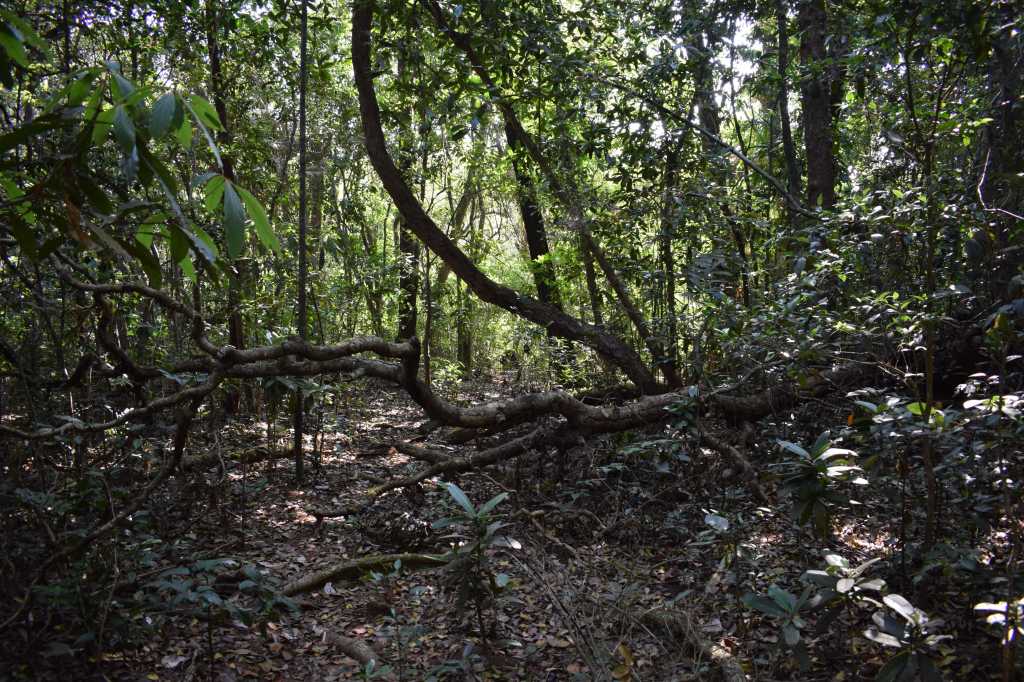
This jungle sojourn, where I spotted giant squirrel nests, heard countless birdsongs, and discovered natural treasures, taught me more about the wild than any book could.
Have you ever had a similar experience in a remote natural setting?
Practical Travel Tips
Kali Tiger Reserve was earlier known as Anshi National Park.
- How to Reach:
- Direct flights to Goa International Airport are available from major cities. Poppalwadi is a two-and-a-half-hour drive from there. You might need to change cars at the Goa-Karnataka border in Mollem. This is a scenic drive and signboards indicate that you are travelling through a forest reserve, which is an eco-sensitive zone. I saw langurs enjoying their day by the roadside.
- The nearest railway stations are Castlerock (10km) and Londa (35km).
- Buses are available to Mollem from Goa.
- More Attractions:
- A day trip to Doodhsagar waterfalls (45km).
- River rafting in Dandeli and Goa (seasonal).
- Cycling in the reserve zone.
- Things to Keep in Mind:
- Hiking alone is dangerous. Use a seasoned guide.
- Return to accommodation before sunset.
- Carry a garbage bag and remove your litter.
- Bring a water bottle, binoculars, and a camera.
- Wear comfortable walking shoes and light clothing.
- Bring a map, or download an offline map of the area.
I’m participating in #BlogchatterA2Z
You may like to read
A: Chandigarh Rock Garden Concern: Why Public Art Matters
B: Bhimtal: The Emerald Beauty in Uttarakhand
C: Chambal Valley: Outlaws, Temples & Tales of the Ravines
D: Blogging: Dinosaur or Bird? Relevance & Mental Health Impact
E: Navigating Eco-Anxiety & the Mental Impact of Environmental Loss
F: Brain Flossing: From TikTok Hype to My Own Mental Cleanse
G: Elon Musk’s Grok AI: Unfiltered Chatbot or Controversial Gimmick?
H: Hong Kong Disneyland: Fragrant Harbour’s Fairy Tale
I: Intentional Mindfulness: The Art of Living Present and Purposeful
J: Oracle Card Journaling: Discover Clarity and Guidance

 Queen of Treasures
he way you captured the essence of remote living, from the solar-powered homestay to the open kitchen, painted a serene picture of life intertwined with nature. Your encounters with the greater coucal and the orange-headed thrush were particularly enchanting; I could almost hear their calls echoing through the forest. The details about tracking porcupines and the subtle signs of elusive creatures like sloth bears and leopards added an element of thrilling mystery. I appreciated your emphasis on the jungle’s symphony and how silence unveils its hidden melodies. It’s inspiring to see how such experiences can foster a deep connection with the environment. Your narrative not only highlights the beauty of Kali Tiger Reserve but also underscores the importance of sustainable travel.
LikeLiked by 1 person