

Capture the wild responsibly: ethical wildlife photography puts the well-being of nature first.
Photography is the breath of our digital lives. Once an art, an expensive hobby, it has overtaken all other traditional mediums to be at the forefront of all that happens in our life.
Easy accessibility to cameras and dreaded areas are the keys to this change. The wild, once a danger zone, is now a protected area. Forests, fences, and protocols make it easier to take a jungle safari or explore nature zones.
Trails and tracks make for good sightings in urban areas, where the fauna is primarily birds and smaller animals, who are shy of humans.
The easiest to photograph are birds, a highly benign species that isn’t in conflict with the human world. Then come deers and jackals, found easily in bird sanctuaries and national parks.
However, human greed could put all these species at risk, more so with birds as they are naïve when compared to four-legged species. They are even more vulnerable in city parks and urban dwellings. While this does make them camera friendly, it also calls for extreme caution on the part of humans when capturing them through their lens.
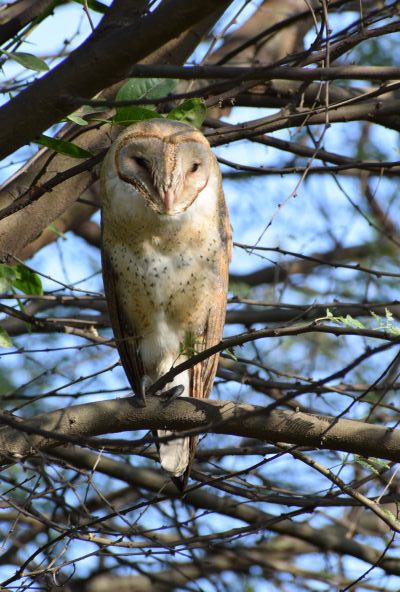
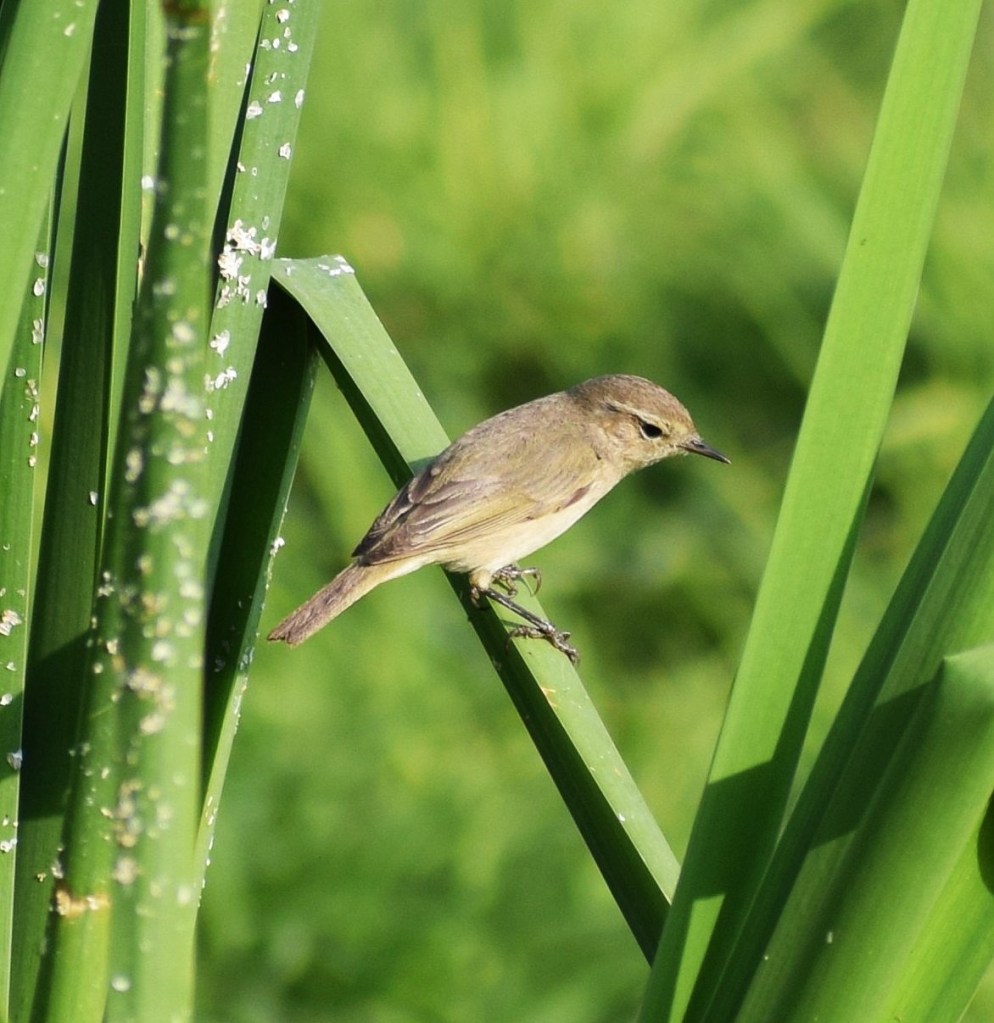
A case in point is the news related to one of the most popular birding hotspots near Gurugram, Bhondsi Nature Park. Home to many rarities, the nature park came into focus in April 2025 when a column in a national newspaper highlighted the perils caused by some birders and poachers. The photographers were using voice calls to draw out nesting birds and exposing them to poachers and disturbing their routine.
Another article in Down to Earth magazine talked about a similar situation in other parts of the country. In fact, author Lesley D. Biswas’ book, Ostrich Girl, focuses on this alone.
Wrong actions, for a momentary delight, result in exposing the birds to poaching, leaving them confused and helpless when it comes to food, nesting, and feeding their babies, or simply playing their part in the ecosystem.
The golden rule to ethical wildlife photography is that it needs to understand the unique needs of the fauna and use this medium to conserve and spread awareness, not harm the ecosystems.
Over the years of photographing the biodiversity in my neighbourhood, I have noted down some points on ethical wildlife photography. And here’s how we can make it meaningful:
Raise Awareness Through Storytelling
- Highlight Biodiversity: Use your images to showcase the beauty and diversity of wildlife and flora in their natural habitats.
- Document Threats: Capture the impact of habitat destruction, poaching, pollution, and climate change to create compelling visual narratives.
- Inspire Action: Pair your photos with calls to action, such as joining conservation programmes, reducing waste, or supporting eco-friendly practices.
Partner with Conservation Organizations
- Collaborate on Campaigns: Provide your photographs to conservation NGOs to use in campaigns, educational materials, and fundraising efforts.
- Create Conservation Calendars or Books: Sell your work to raise funds for wildlife and flora conservation projects.
- Document Research Efforts: Work with scientists or conservationists to visually document their research, making it accessible and engaging to the public.
Educate and Engage Communities
- Host Workshops: Teach communities how to use photography to document and protect their local ecosystems.
- Create Exhibits: Organize exhibitions in schools, museums, or public spaces to educate others about the importance of preserving biodiversity.
- Promote Local Flora: Highlight endemic plants and their ecological roles to encourage people to protect them.
Advocate for Sustainable Practices
- Support Ecotourism: Showcase ethical travel and eco-friendly practices through your photography, encouraging sustainable tourism.
- Feature Restoration Projects: Document reforestation, wildlife rescue, or habitat restoration initiatives to inspire support and replication.
Use Social Media for Advocacy
- Reach a Wider Audience: Share your work on platforms like Instagram, Facebook, and Twitter to engage a global audience.
- Create a Campaign: Start a hashtag campaign to draw attention to specific conservation issues.
- Collaborate with Influencers: Partner with like-minded individuals to amplify your message.
Protect Habitats and Species
- Capture Rare Moments: Use your photography to document rare or endangered species, emphasizing the urgency of their conservation.
- Focus on Flora: Highlight native plant species, their importance to ecosystems, and the threats they face, such as invasive species or deforestation.
- Avoid Disturbing Nature: Practice ethical photography by keeping a safe distance, not disturbing habitats, and following local guidelines.
Create Long-Term Projects
- Chronicle Change Over Time: Use your skills to document the progress of conservation efforts or the decline of threatened areas over months or years.
- Develop Educational Series: Create a collection of images that tell the story of an ecosystem, from its flora to its fauna, emphasizing interconnectivity.
- Collaborate with Publications: Write articles or blogs alongside your photography for magazines, newspapers, or conservation websites.
Advocate for Policy Change
- Support Environmental Laws: Use impactful visuals to push for stronger conservation policies and actions from governments and corporations.
- Work with Decision-Makers: Provide images that policymakers can use to illustrate the importance of biodiversity in their reports and campaigns.
Fundraise for Conservation
- Sell Your Work: Use proceeds from prints, books, or merchandise to support conservation initiatives.
- Offer Photography Experiences: Host guided photography tours in nature reserves, donating part of the earnings to conservation projects.
- Collaborate with Brands: Partner with eco-conscious brands to support mutual goals in conservation.
Promote Ethical Photography
- Avoid Captive Wildlife: Refrain from photographing animals in unnatural settings or exploitative environments.
- Respect Local Cultures: Highlight the relationship between local communities and their natural environment to promote harmonious coexistence.
- Leave No Trace: Ensure your photography practices do not harm the ecosystems you aim to protect.
By being ethical photographers, using this art as a tool for advocacy, education, and storytelling, we can contribute significantly to the preservation of wildlife and flora.
I’m participating in #BlogchatterA2Z
You may like to read
Must-Watch Wildlife Docuseries on OTT
Exploring the Wonders of Wildlife: Tips for Aspiring Naturalists
Wadaj Dam: Where Birdwatching Skills Fly High!
Will Dhanauri Wetlands Become Noida’s Lost Eden?
Exploring the mangroves of Bhitarkanika, Odisha
Urban Pigeon Menace: Health Risks & Feeding Issues
A Year of Birding: My Transformative Journey
Ornithology: The Joy of Birdwatching & Conservation
From Pedometer to Peace: My Journey with Mindful Walking
The Magical World of Flowers

 Queen of Treasures
Exhaustive, as usual. And very relevant too. A lot needs be done in this regard.
LikeLiked by 2 people
The story about Bhondsi Nature Park was particularly striking—using bird calls to lure birds for photos is something I hadn’t considered harmful before, but now I see how it can disrupt their natural behavior and even expose them to poachers. I appreciate the emphasis on storytelling to raise awareness; it’s inspired me to think more critically about how I can use my photos to support conservation efforts. The idea of collaborating with NGOs and educating communities through photography is powerful and gives me a new perspective on the role photographers can play in protecting wildlife.
LikeLiked by 2 people
this is so disturbing. and i have read ostrich girl and its a must read. though its a childrens book, the way grown ups are behaving now, it should be read by them equally if not more.
LikeLiked by 2 people
Wherever man goes, destruction goes. Photography is a wonder world. I have seen my own brother and a few friends who take excellent pictures of them. They try to capture for their own satisfaction, not for selling or other purposes. They embrace the beauty. However, your point is very valid; we need to have ethical practices in photography. I did know that people use voice calls to catch their pictures. It feels like I am being awakened from my best sleep. Very bad. I admire and will try to adhere to your guidelines for ethical photography. Your post was in my list today, but I am thankful that I landed here. It was refreshing to care for nature with you.
LikeLiked by 1 person