
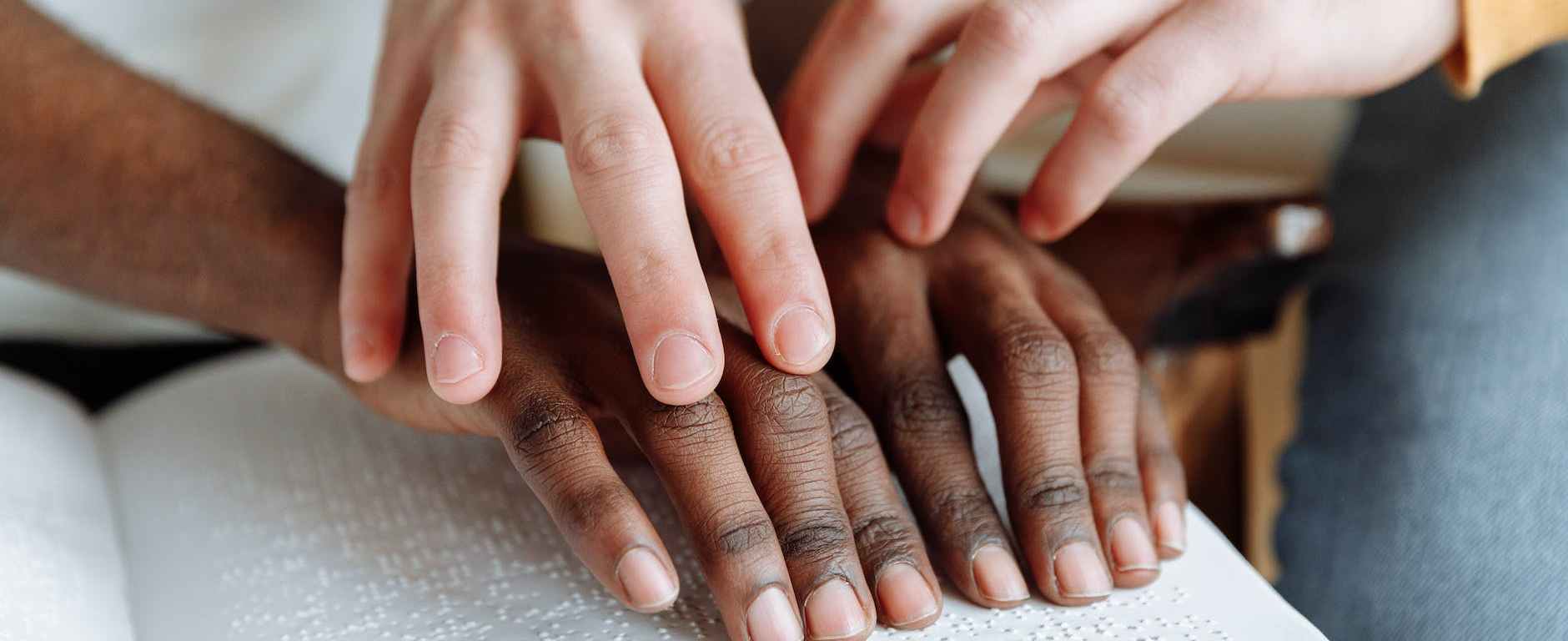

In a world that often labels individuals with disabilities as less capable, it is crucial to challenge these ingrained perceptions and embrace the true essence of inclusivity. Personal encounters with individuals who have disabilities have the profound power to dismantle stereotypes, foster empathy, and illuminate the extraordinary capabilities that lie within each person.
As I stood in the middle of the road, my right arm at a 90° angle and my left arm flailing, trying to keep my balance, a group of boys laughed at my plight. They called out ‘langdi’ (lame) and aped my walk, pushing each other and playing a game of limping. They laughed, while I yelled and abused them.
The year was 1994, and I had just come out of a fatal accident. Our car had been hit by a truck near Ajmer. My face, both arms, and left leg had broken, fixed after a 12-14-hour surgery, and had left me incapacitated. This was my first attempt to move out after six months. This is when I realized that the ‘specially abled’ have a different life. When your arms, legs, and face don’t match the ‘so-called visual norms,’ you are treated differently. However, this also taught me that the ‘specially abled’ are stronger and develop a subtle inner sense that the ‘normal’ lack.
My life, however, was not designed to be on the ‘specially abled’ side. I did become 99.9% normal after four years with more surgery and physiotherapy. But it did teach me the most valuable lessons in life. It got me thinking about the many personal encounters I have had over the years.
Throwback to encounters

During my school days, a young boy, seemingly mentally challenged, would often come to sell pens. He always had a dribble, and we would buy those pens just for the sake of it. My cousin’s son was also born with a damaged nerve, and as someone always on the bed with wrangled legs and arms, the spine nerve being damaged, he would always get a different treatment. Later in life, I wondered why didn’t they train him in a special school, considering they didn’t lack the resources.
A disability is a condition or function judged to be significantly impaired relative to the usual standard of an individual of their group. The term is often used to refer to individual functioning, including physical impairment, sensory impairment, cognitive impairment, intellectual impairment, mental illness, and various types of chronic disease.
United Nations

Decades later, in my career as a journalist, I interviewed George Abraham, CEO, Score Foundation (Harmony magazine, February 2014), an NGO supporting the cause of the visually impaired. Abraham lost his eyesight when he was 10 months old, due to a meningitis attack. However, his parents were his support system and gave him a good education. He had worked in the advertising firm Ogilvy & Mather and an advertising & sales promotion company for almost ten years. He introduced me to the advantages of audio stories and explained why the psychology behind the disability mattered and why society’s view of it also needed to change.

In 2015, I was invited to cover a car rally, organised by Uttar Pradesh Tourism Department. This took us into the hinterland of Chambal and participating in the rally was Deepa Malik, the award-winning para-athlete. With spinal tumour and paralysis below the chest, she has made history by winning 23 international medals and 68 national and state level medals in swimming, javelin, shotput and discus events. A motivational speaker and social worker, she has been listed as one of the 10 most inspirational women para-athletes of the world by International Paralympic Committee.
I don’t think I understood the ramifications of these injuries till very late in life. She had come with her trainer and a car had been modified for her. She drove it herself in the rally which with the route going through the rough terrain of Chambal and ending in a ceremony in Agra.
I don’t remember the year, but I covered an event related to the Noida Deaf Society at Hotel Shangri-la, Delhi. The hotel has employment facilities for these specially abled ones, and the training is intensive for the rest of the staff as well. They wear a placard while working at the hotel so people can talk to them with sign language.
In 2018, I was doing a coffee table book on CSR. And that took me to a little town in Assam-Numaligarh where the only big thing is the oil refinery. Among one of the activities was giving aid to disabled persons from the lowest strata of society. I saw a 16-year-old boy who had been burnt through electric shock. Besides the disfigured face and body, he had lost an arm and an leg. The family was so traumatised and the company was organising relief through medical care and equipping him with a cart for selling vegetables.
Then I travelled further into the villages to see a small boy, who had been born with a nerve disorder. He was the happiest child I saw in many years, completely unaware of the life of an adult in this vast world. His brain did not process any speech or motor skills. He had been trained to stand up by the therapists and was being trained to walk. His smile touched the core, even though the dribble was constant.
Catalyst of Change

It was in 2019 that I finally deciphered what the specially abled were capable of and how they formed their own communities. I was invited to cover a trip to Jaipur, organized by a Delhi-based tour agency for the visually impaired. Here, I saw the crucial role of a guide, who had to create visual scenes for the group of 50 and turn history into an oral story.
“Travel is our birthright,” said Preeti Monga passionately. Watching the beautiful 60-plus lady, it was difficult to believe that she lost her eyesight just 21 days after her birth. “The doctors say it was a reaction to the small pox vaccine,” she smiled, as her husband Ashwini held her hand. Standing near Sheesh Mahal in Amer Fort, Jaipur, I gazed a little stupendously at the mirrored walls and the power couple.
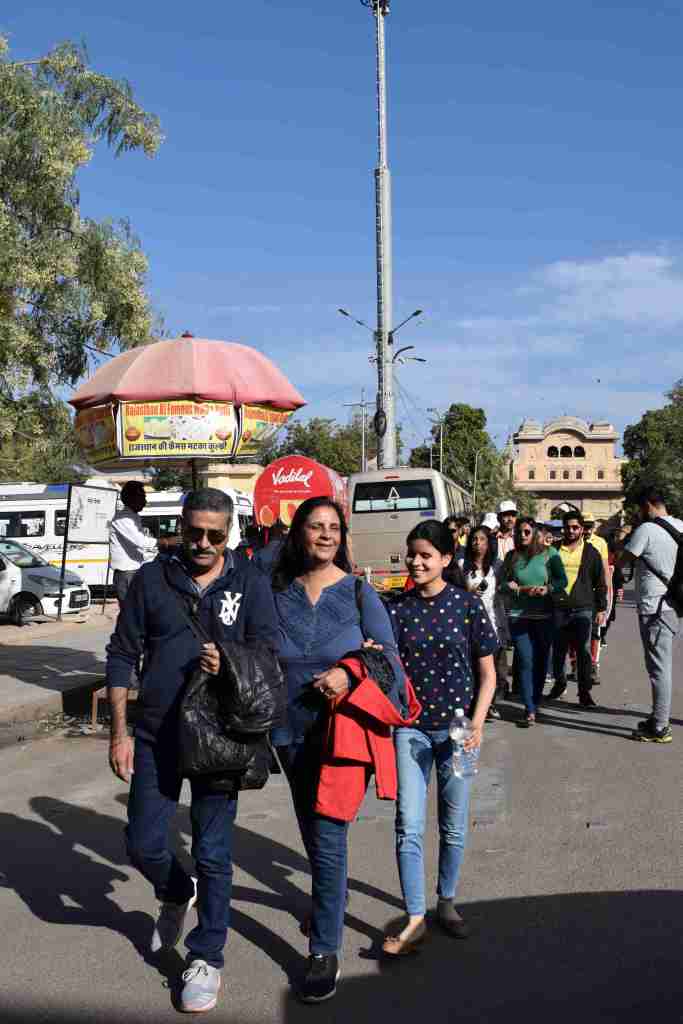
Running an NGO, Silver Linings, Monga’s life was anything but rosy. “There have been suicidal moments, but as a mother of two and grandmother of three, I am happy I didn’t fall into that trap,” she said. Preeti’s autobiography and experiences are penned in two books – The Other Senses and Flight Without Sight. Inspired by the iconic Helen Keller, she turned her life around to train the visually challenged and sensitize others.
She found her second husband, Ashwini, at the age of 37, who has been a steadfast pillar of support. Her dedication to her work has been recognized with numerous awards, including a prestigious national award from the President of India in 2013.
Monga imparted valuable lessons to me. She emphasized the importance of approaching the visually impaired without fear or hesitation. She explained, “When one sense is lost, the other four work harder to compensate. For travel, hearing is crucial as the place comes alive through stories.” Inclusivity, she stressed, means acceptance, not pity or charity.
I observed the large group gathered around the guide, intently listening to the history of the UNESCO World Heritage Site. A strong sense of camaraderie was evident. They formed a human chain, holding hands as they navigated the site under the guidance of the group leader.
Navy Garg, who worked at the State Bank of India in Sangrur, explained, “According to doctors, if you cannot distinguish colors or see all five fingers, you are considered blind.” Navy himself was diagnosed with a hereditary condition called Macular Degeneration. “I pursued a B. Tech degree and even worked at CISCO for three years,” he shared. “I had vision issues since childhood, but they worsened during college. At CISCO, I led the team responsible for inclusion and diversity initiatives. They were reluctant to let me go, but I accepted a lifetime position at the bank.” He also explored Ayurvedic treatment, but nothing could halt the progression of retinal degeneration.
His mobile phone served as his gateway to the world. “The iPhone is exceptionally well-designed,” he remarked. “An iOS feature called VoiceOver has revolutionized the world for the visually impaired. As we glide our fingers across the screen, it spells out precisely what we are doing. We can access and read essential documents, communicate with others through calls and messages, utilize WhatsApp, and even capture photographs. I rarely require assistance.”
His laptop was also equipped with specialized software, JAWS, which instilled in him the confidence to tackle any task. Like Monga, he had not learned braille.


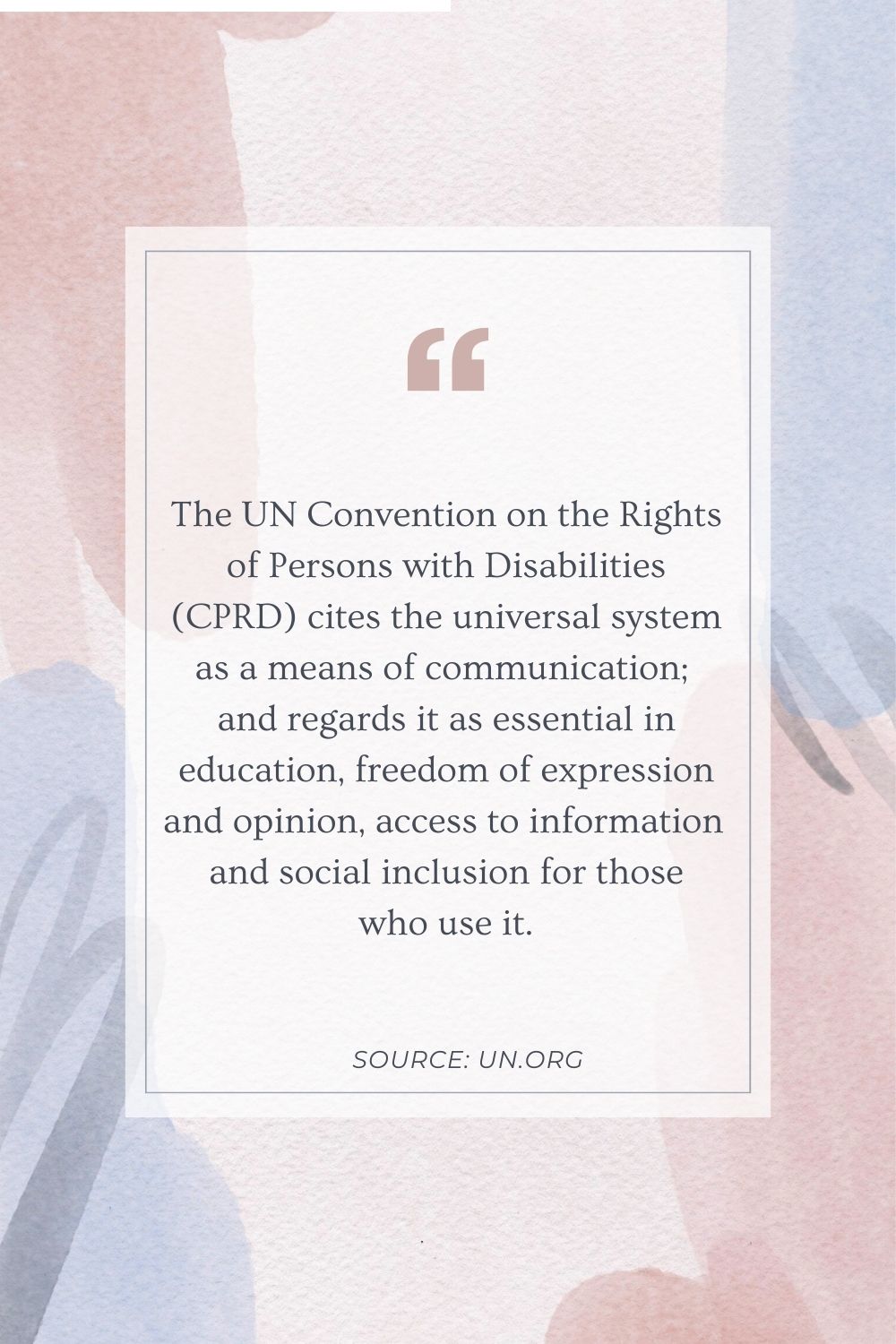
I was pleasantly surprised to learn that braille magazines existed. Prerna Sharma, who worked with the Ministry of Defence and had been blind since birth, shared, “I subscribe to several magazines to stay abreast of the latest fashion trends, women’s issues, and global news.”
Initially reserved, the group emerged from the two-day trip with a new found sense of openness. Perhaps it was the shared experience of breaking bread together, or perhaps their perception of me had changed, I was not interacting out of pity, but as a curious observer who respected their resilience, embraced their moments of joy, and became a part of their celebration.
In the immediate context, I read a post by a visually impaired journalist, who travelled solo from Kolkata to Bengaluru to get trained to handle her disability. She even went scuba diving, learned to cook and overcame the stigma of walking around with a white cane. You would like to read her story here.
While they may not recall me, and even I may not vividly remember their faces or their world, the lessons they imparted will forever remain etched in my mind:
1. Venture beyond the confines of pity and embrace personal interactions.
2. Cultivate diversity and celebrate individuality.
3. Recognize and respect their unique needs.
4. Embrace kindness as a constant companion.
5. Patience and perseverance are always treasured habits.
6. Never cease the pursuit of knowledge.
7. Offer unwavering support to one another.
8. Our planet is vast enough to accommodate all of us.
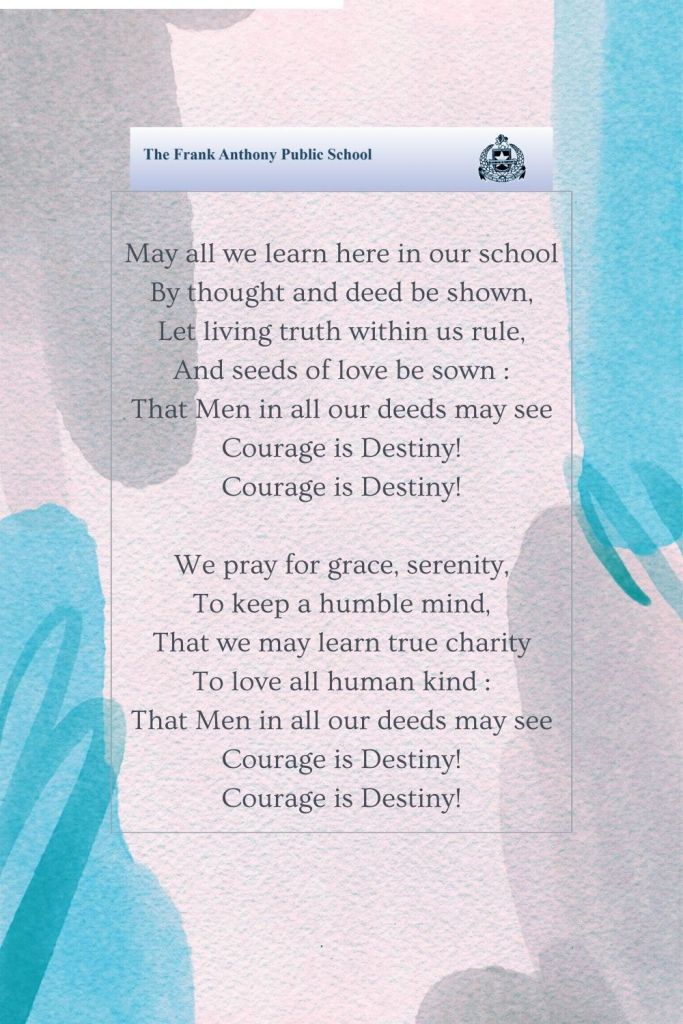

Courage is destiny…my school motto and song came alive with these encounters for only the brave can take the onslaught of life and come out with more strength. Not everyone needs to take a bullet to show their courage. The courage to accept yourself and become the best version of you in public needs an applaud too.
This post is a part of the ‘International Day of Persons with Disablities’ bloghop hosted by Sakshi Verma. #IDPDbloghop2023
This post is part of Blogchatter’s CauseAChatter.


Fabulous stories and I hear you totally. Neither pity nor sympathy — only empathic acceptance. There are huge challenges and let’s be ready to help when it’s needed. But then, it’s not as if there is anyone in the world who doesn’t need help — we are all interdependent. A visually impaired person needs one kind of help while a person who can see needs a different kind of help. That’s all.
LikeLiked by 1 person
Thank you for writing this post and also for all the hyperlinks. I have enjoyed exploring a few of them and intend to keep reading. Your post was a good springboard for getting to know inspiring stories of people challenging their disabilities from across all walks of life.
LikeLike
Your post inspires the confidence that disability should not hold one back from exploring uncharted territories, one only needs a shift in perspective. The personal example that you shared underlines how one needs to accept one’s disability and move on and train to find your strength in life.Much like you I had a temporary disability which changed my way of thinking too.
LikeLiked by 1 person
Loved reading about all your experiences and how they shaped your thinking. You are right in saying that one needs to move beyond pity to understanding, empathy and respect.
LikeLiked by 1 person
Your poignant reflections on encounters with individuals with disabilities beautifully highlight the strength, resilience, and unique capabilities often overlooked by societal norms. The personal stories you shared, from Deepa Malik’s athletic triumphs to Preeti Monga’s inspiring journey, bring to light the importance of inclusivity. Your empathy and commitment to breaking stereotypes are evident. Thank you for fostering understanding and encouraging a shift in perspectives. Your narrative is a powerful catalyst for change.
LikeLiked by 1 person
Such an inspiring story! Truly, what one is capable of depends on what one is willing to do and give. There’s a lot of people who are physicqlly capable yet don’t make use of what they have to improve their lives yet there are others who have the drive despite having challenges in life.
LikeLiked by 1 person
Thanks for sharing these stories, Ambica! George and Preeti have been mentors to me personally. I quit mainstream journalism to work in the blindness domain and I learnt all about it from George. I had first met him ages ago when he launched the World Cup Cricket for the Blind. My perspective really changed with those encounters with the visually impaired cricketers.
LikeLiked by 1 person
That’s very nice to know Shruti. I can imagine how these people would have changed your life. My few moments were only so changing, and knowing them as mentors would truly be another life lesson.
LikeLike
Yes. I hope we get a chance to catch up exchange our experiences some day!
LikeLiked by 1 person
That would be a wonderful coffee time! to physical meetings!
LikeLike
What an inspiring story…Thank you for sharing.
LikeLike
Wonderful Perspective. I loved the line – Inclusivity means acceptance, not pity or charity.
LikeLiked by 1 person