
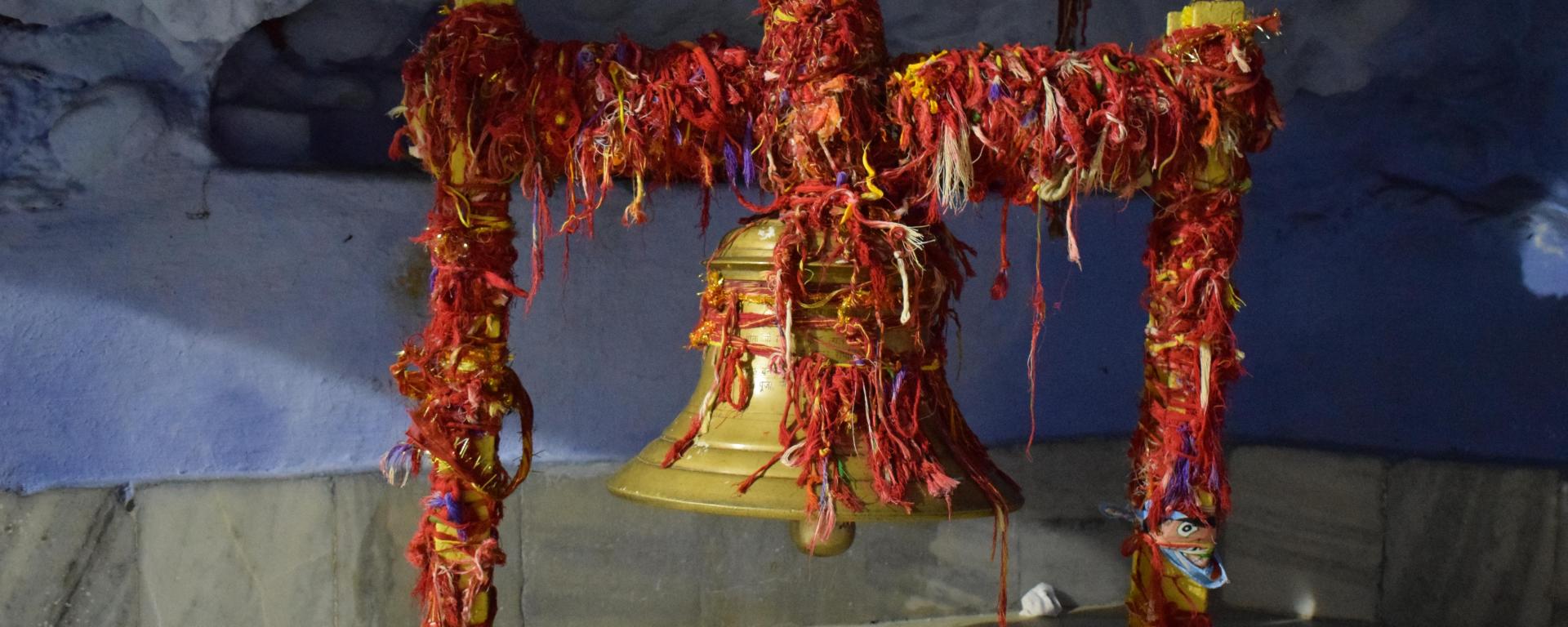
Bells have been around since 3500BC, a symbol of peace, hope, prayers and healing. I love to hear the sound of bells in sacred spaces. Take a chime journey, scroll through the photographs that I took over many years of my travels.
Sharp 4am and the women volunteers at the Vipassana centre would ring the bells. In the silence of the surroundings, the sound seemed to reverberate loud and far. In reality, they were short sounds, shorter than the calls of the peacocks in the dark before dawn. It was a routine I missed coming back from the 10-day retreat. There is something soothing about a bell and something jarring about alarm clocks. Perhaps the sweetness is missing.
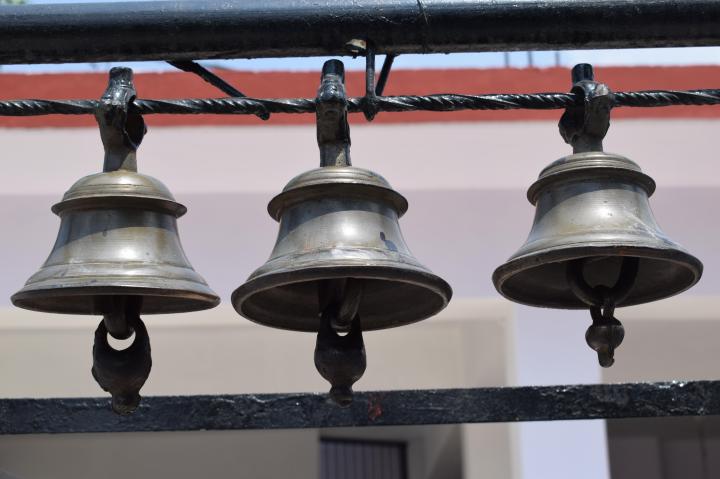

Bells in Poetry
I am not much of a poem person, but the ‘The Bells’ by Edgar Allan Poe did express my sentiments, closest to what I began to feel about the bell after that retreat.
The poem explores the changing sounds and meanings associated with different types of bells. It is divided into four parts, each representing a stage of life and each associated with a different kind of bell.
The Silver Bells
‘Hear the sledges with the bells—
Silver bells!
What a world of merriment their melody foretells!
How they tinkle, tinkle, tinkle,
In the icy air of night!’
In this section, the silver bells evoke a sense of joy and merriment, with their tinkling sound suggesting a festive atmosphere.
The Golden Bells
‘Hear the mellow wedding bells,
Golden bells!
What a world of happiness their harmony foretells!
Through the balmy air of night
How they ring out their delight!’
Here, the golden bells symbolize the happiness and harmony associated with wedding celebrations. The tone is positive, reflecting the joyous occasion.
The Brazen Bells
‘Hear the loud alarm bells—
Brazen bells!
What tale of terror, now, their turbulency tells!
In the startled ear of night
How they scream out their affright!’
The brazen bells introduce a shift in tone, as they represent alarms and convey a sense of terror and affright. The mood becomes more ominous, suggesting a darker side of life.
The Iron Bells
‘Hear the tolling of the bells—
Iron bells!
What a world of solemn thought their monody compels!
In the silence of the night,
How we shiver with affright
At the melancholy menace of their tone!’
The final section brings a sombre tone with the tolling of the iron bells. The mood becomes melancholic, and the sound of these bells is associated with a solemn and thoughtful reflection on life and mortality.
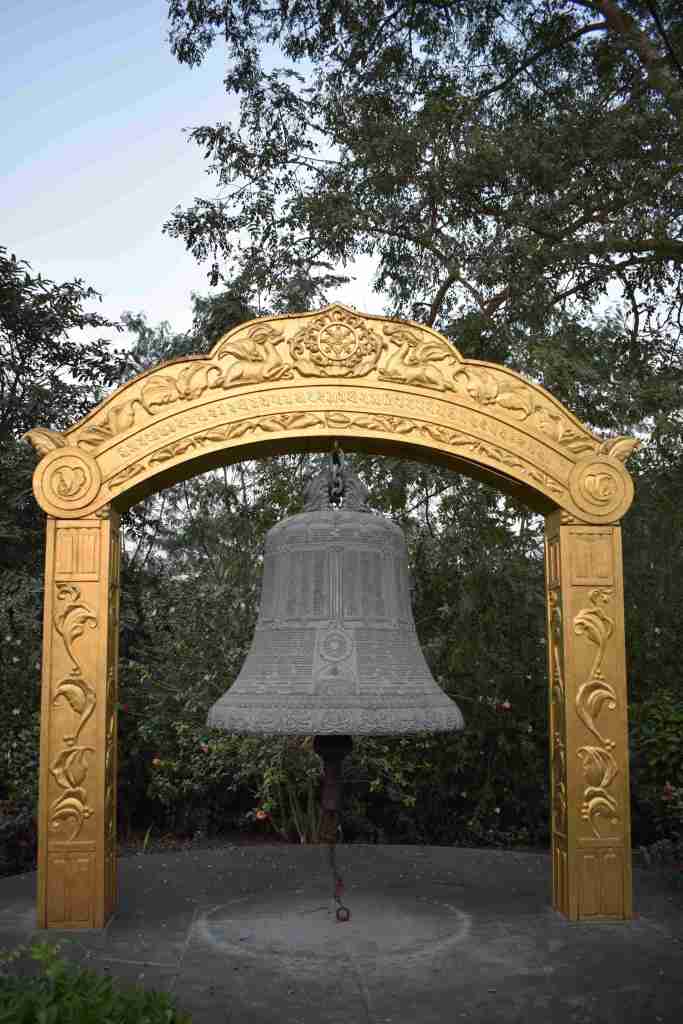
For me, the bells during prayer times hold a special meaning. The waves of sacredness spread all around and they make me sway. The sound of the erstwhile gong also resonates a healing rhythm, as I discovered during a healing session with gongs and Tibetan bells.
History of Bells
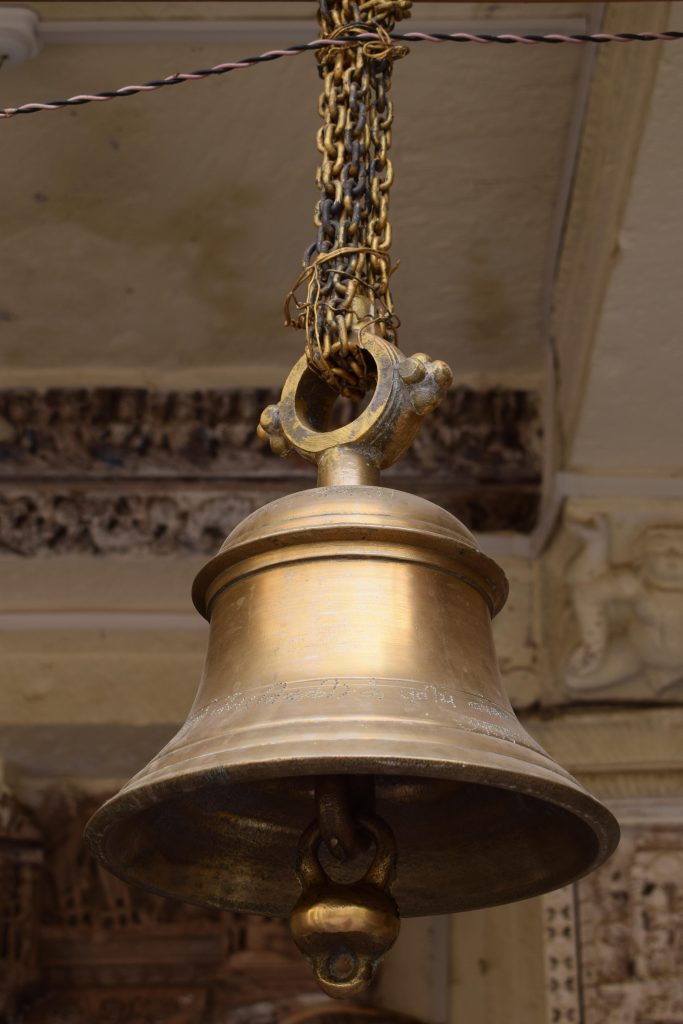
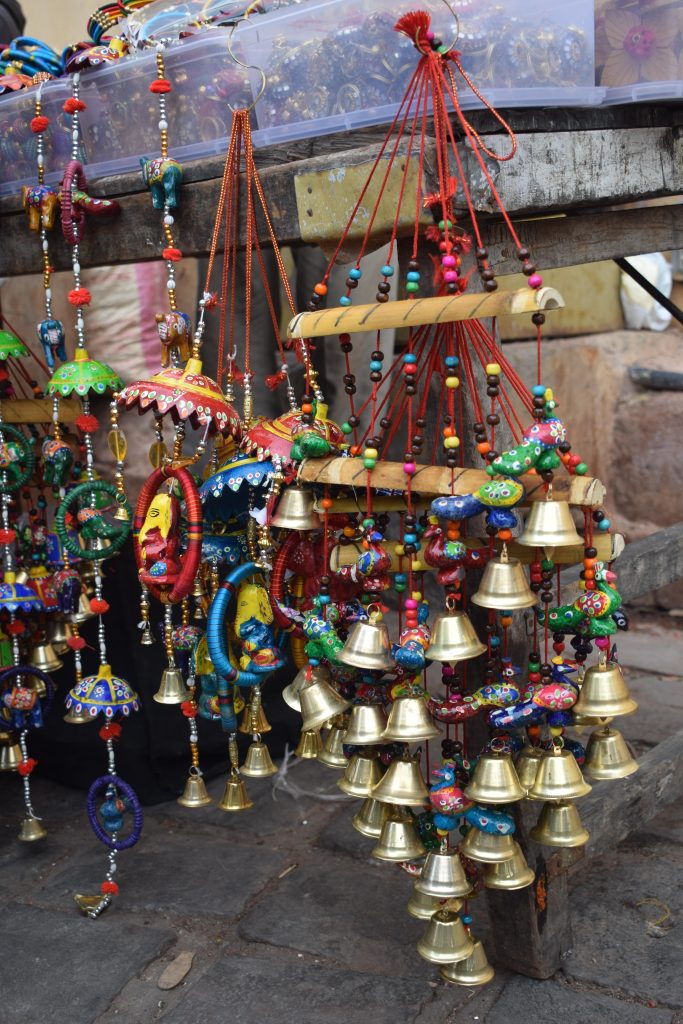
The exact origin of bells remains shrouded in the mists of time, but archaeological evidence suggests their existence as far back as 3500 BC. Early bells were crafted from clay, bronze, and even wood, often serving as rudimentary instruments for communication and ritual purposes. As civilizations developed, so did the art of bell-making, leading to the creation of larger, more sophisticated bells used in religious ceremonies, public announcements, and even warfare.
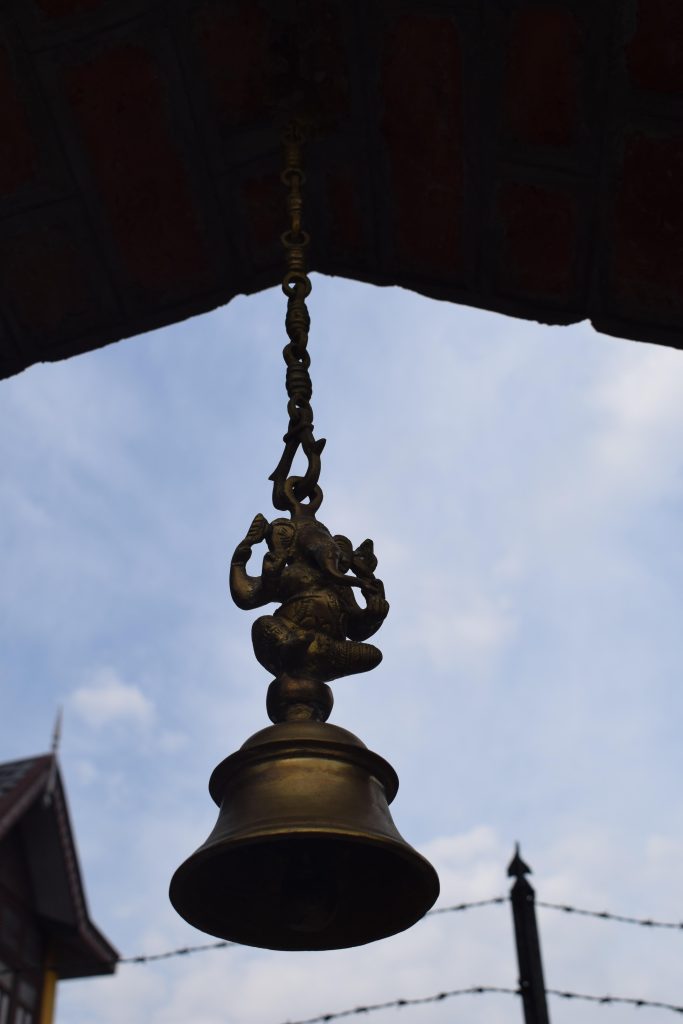
A Spectrum of Roles
Throughout history, bells have served a diverse range of purposes. They have been used to:
Mark the passage of time: Church bells have traditionally tolled the hour, marking significant moments in the day and reminding people of the importance of timekeeping.
Signal important events: Bells were rung to announce births, deaths, weddings, and other major life events, serving as a means of community communication and celebration.
Ward off evil: In many cultures, bells were believed to possess the power to ward off evil spirits and provide protection.
Offer religious devotion: Bells played a crucial role in various religious practices, from calling worshippers to prayer to accompanying rituals and ceremonies.
Create music: Bells have been incorporated into musical instruments for centuries, adding a unique and captivating sound to various genres of music.

Beyond the Sound
Beyond their practical uses, bells have also acquired potent symbolic meaning across cultures. They are often associated with:
Peace: The gentle ringing of bells is often seen as a symbol of peace and tranquillity.
Hope: Bells are frequently rung during times of hardship and crisis, offering hope and a sense of unity.
Celebration: Joyous occasions are often marked by the celebratory pealing of bells, adding to the festive atmosphere.
Memory: The sound of bells can evoke powerful memories and emotions, connecting us to the past and loved ones.
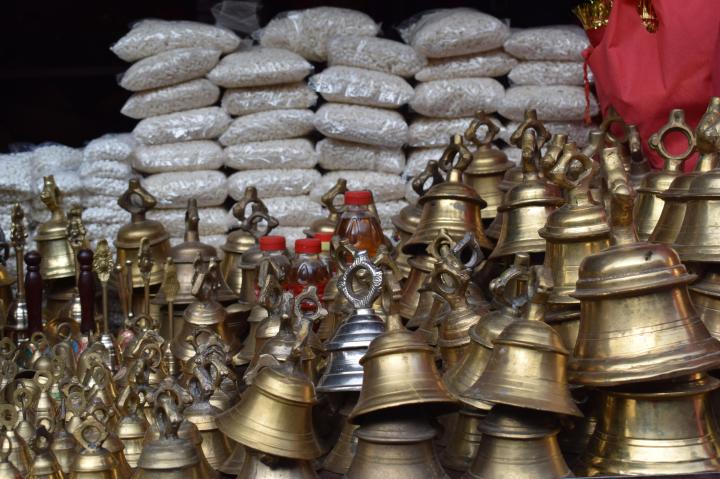
I love the jingle of bells, the echoes that stay with us long after the bells stop ringing.
–Ambica Gulati is a journalist, editor, travel writer, and photographer who documents culture, heritage, and everyday life through visual storytelling. Her photo essays reflect a curiosity about places, traditions, and the human experiences that connect travel, global perspectives, and mindful living.
Selected images are available for licensing through iStock/Getty Images
From the Archives
If you enjoyed this visual treat, you may like to continue the journey:
- Finding colours of Ukraine & Poland in India
- Sound Bath: Healing My Heart
- A Year of Birding: My Transformative Journey
This post was created for the Blogaberry Creative (Monthly) Challenge.

 Queen of Treasures
Thanks for sharing this comprehensive post about the bell, Ambica :) I use it frequently but have never thought about its origin or the stories behind this special item.
LikeLiked by 1 person
glad you enjoyed the stories and the pictures.
LikeLike
Wow this is awesome. Especially loved to know the various purposes of bells. It’s true, many use it to ward off evil too. Never really thought about that before.
LikeLiked by 1 person
I have a deep love for the sounds created by bells. I wish I could have abig one in the house and ring it everytime I get depressed.
LikeLike
A wonderful post detailing history and significance of bells over time. A great reading, indeed.
LikeLike
A great post detailing history and significance of bells evolving with time.
LikeLiked by 1 person
I just read Moni’s post about the origin of Bells as early as 1000 BC! Your post added the much-needed significance of Bells in our lives and how the meaning of bells and their sounds have evolved. I found a set of bronze bells in Dilli Haat, the sound of them ringing one after another in a certain tone was very relaxing.
LikeLiked by 1 person
I too had done a detailed research on the history of Bells. u ave presented them very beautifully though!
LikeLike
Quite impressive post Ambica. I also like bells. Specially the one which is rang in temple. For me bells bring peace to my mind. I must appreciate your work that you tell us the different varieties of bells and their purpose. Kudos to you dear.
LikeLiked by 1 person
Happy that you enjoyed the post.
LikeLike
In Hindu Religion & Indian Culture, bells we can witness at the temple dome, which is located right in front of the temple Garbhagriha. There is a prevailing myth that our mind can only get enlightened with a shock. We all have noticed the existence of bells in Hindu temples. Many believed that the sound of these bells opens up our mind and fills it up with a sense of divinity. You can read another post of mine about the bells in Hindu culture: https://www.indiacafe24.com/astrology/the-implication-of-bells-in-hindu-temples/
LikeLiked by 1 person
Will surely read Samata.
LikeLike
For me bells are about peace and connecting my inner soul to a higher being. I loved how you included poems about bells in your piece. Thanks for the comprehensive and interesting read, Ambica :)
LikeLiked by 1 person
Bells bring a different feeling to me sound of happiness. Cheers and laughter. I like the sound of the tinkling and the ringing tiny bits.
LikeLiked by 1 person
I like the tinkles as well.
LikeLike