
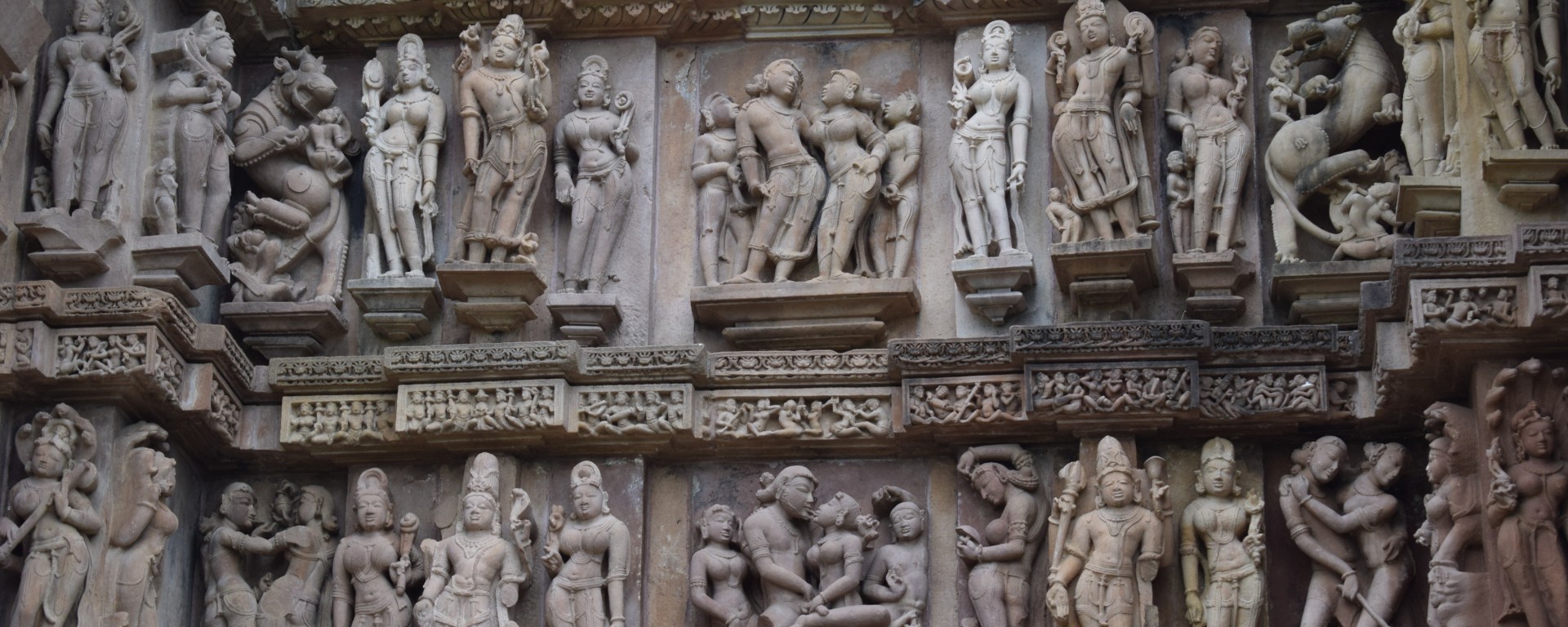
Better known as the land of Kamasutra, the little town of Khajuraho offers a glimpse of one of the oldest cultures in the world
- Who built the Khajuraho temples?
- Western Group of Khajuraho Temples
- Eastern Group of Khajuraho Temples
- Cuisine of Khajuraho
- Native Language of Khajuraho
- More to see in Khajuraho
We embarked for a walk with our tour guide to see the famous temples constructed by the Chandela dynasty in the 9th and 10th centuries. Standing outside the western group, which is very near our hotel, Lalit Temple View, we watched the crowd walk into the only temple open to the public. “When this area was not cordoned off, the villagers would come in bullock carts and stay here in their tents. Now, they can only visit the temple,” our guide elucidated.
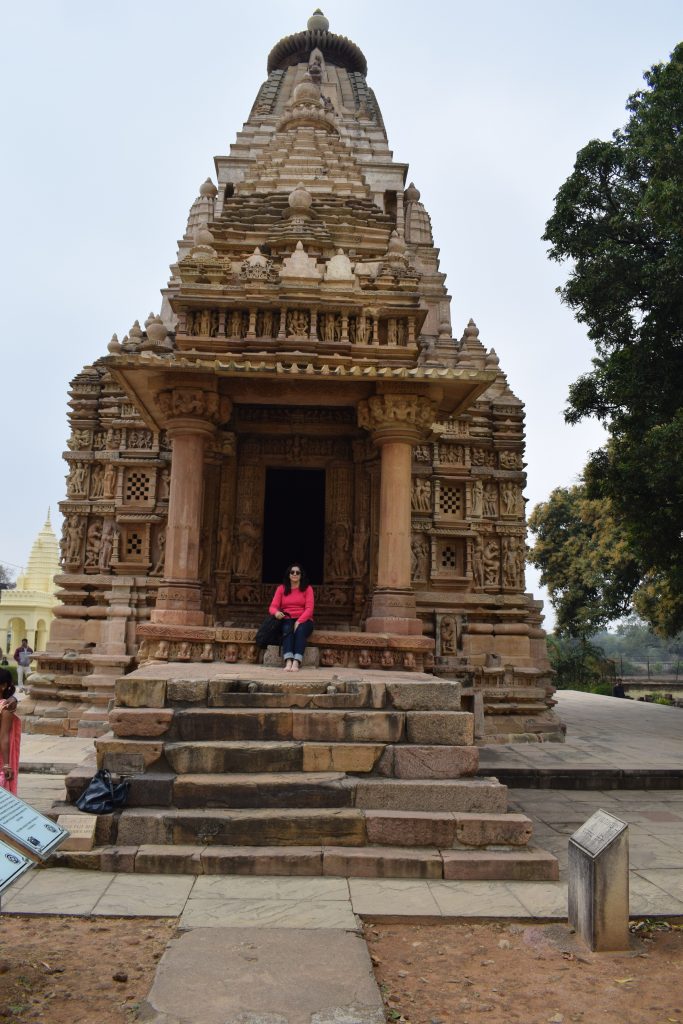
Our guide, a native of village Ajaigarh (34km from Khajurajo), had toured Madhya Pradesh with many travel companies, sharing his knowledge about Indore, Sanchi, Ujjain and many more places. A master’s degree in Political Science, he had self-studied the arts, culture, history and other tourism related aspects
Who built the Khajuraho temples?
The Chandela dynasty was the last Hindu dynasty in Central India. They fought 85 battles and built 85 temples. So, perhaps each temple was an offering to the deity they believed in for supporting their success. The Chandela dynasty ruled between the 9th and 13th centuries and the temples were built over 300 years. Now, between the western, eastern and southern groups, only 22 of them survive.
The region was popular with Jains and Buddhists as the sages loved the jungles and retreated for their sadhana here. So, we saw Jain and Buddhist influences, and an amalgam of Shaivism and Vaishnavism in the temples. Certain sects of Hindus follow Shiva, the destroyer who is considered the easiest to please, and others Vishnu, the preserver.

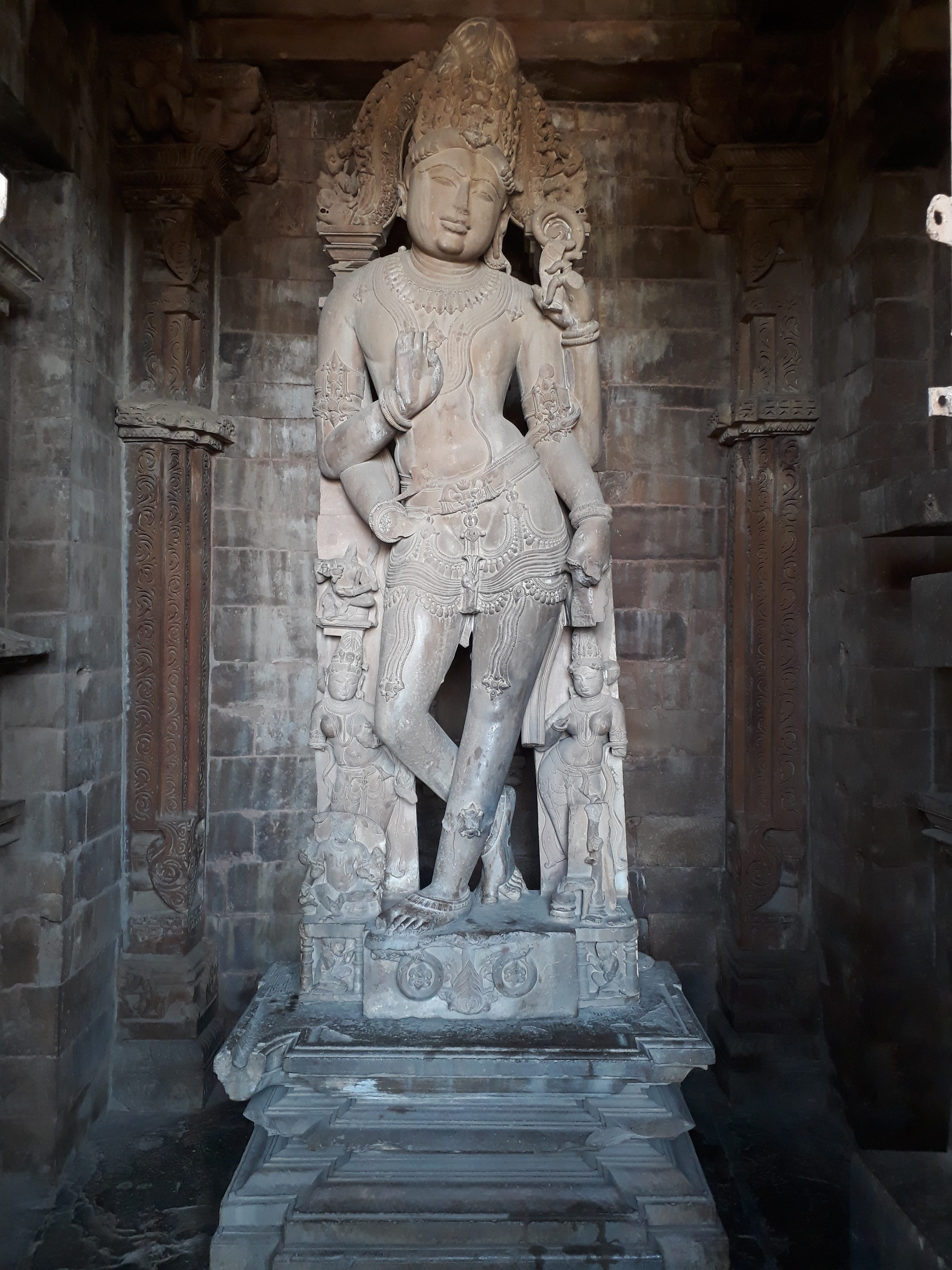
The Vastupal-Tejpal Temple in the Khajuraho Group of Monuments is dedicated to Adinatha. The elaborate carvings illustrate spiritual and philosophical messages depicting Jain cosmology, divine beings, and lives of the Tirthankaras.
Western Group of Khajuraho Temples
On the famed erotic sculptures, the temples were education grounds for understanding the fabric of society and living an ideal life. “Sex is a primal instinct and an act of creation. The cosmos was formed when there was fusion and love brings sublimity. The sculptures depict the flow of life from the underworld to the celestial beings. Youthful love is the purest, without any pros and cons, which is why gods are shown in a youthful demeanour,” explained our guide. Gazing at the amazing work done by human hands, it was like seeing the cosmos in its glory. There are scripts written in Devanagari and Prakrit scripts. Some sculptures also have the sculptor’s signature.


Gazing at the landscaped gardens, it was difficult to imagine them as water bodies of yore. People arrived in boats. The stones for the temples were transported from quarries 35 kilometres away. The sculptors carved them and assembled the temples on the spots we see them standing today. The architecture was progressive, based on a lock and socket system with nothing to glue the massive stones.
On the name, it was a khajoor or date garden, known as khajoor vatika. Over time, it became Khajuraho.
Before heading to the eastern and southern groups, which are a little at the edge of the city, we sat down for a cuppa at the well-known Raja Café. The monuments need more disciplined care, as noise pollution, illegal structures in the vicinity and occasional fireworks are damaging the unique works of art.
Eastern Group of Khajuraho Temples
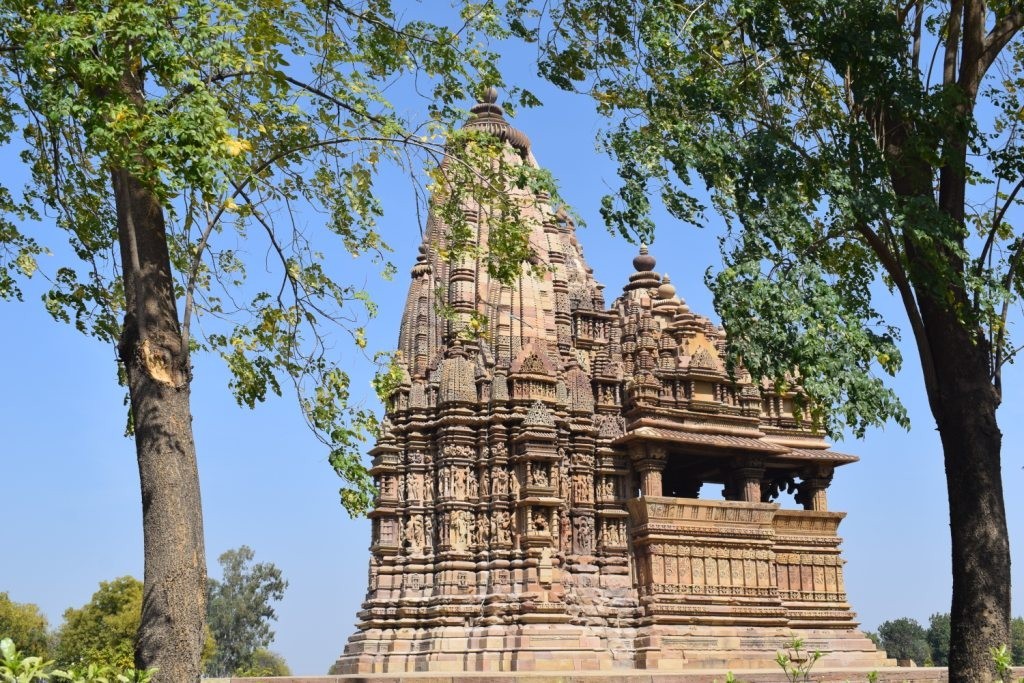

Besides the many sensuous and erotic apsaras and women, there were sculptures of Shiva’s wedding, a fusion of Shiva and Vishnu known as Hariharan and a mythical griffin-like animal known as Shardul in northern India and Yali in the southern parts. These are a reminder that the passage of evolution takes one from the human towards the divine until it becomes the sublime energy.
Cuisine of Khajuraho
On cuisine, there is ‘farmer food’ from the harvests and ‘soldier food’ from game meats and wild rice.
Native Language of Khajuraho
The language spoken is Bundeli.
More to see in Khajuraho
Archaeological Survey Museum and Advart: Tribal and Folk Art Museum
A day trip to Ajaigarh and Kalinjar forts (100km from Khajuraho). Another day can be spent in exploring Orchha (170km).
One can enjoy a picnic at Benisagar Lake.
Definitely, visit the Panna National Park and Ken Gharial Sanctuary to spot tigers, more fauna and the famous gharials, besides the grand canyons and waterfalls.
This post is a part of Blogchatter Half Marathon 2024. Read more:

 Queen of Treasures
10 thoughts on “Khajuraho’s Temples: The Erotic & The Divine”