
Discover the power of neuroplasticity and learn how to rewire your brain for positive change.
- Understanding Neuroplasticity
- The Three Brains: Reptilian, Mammalian, and Neocortex
- Unconscious Expectations: The Root of Limitations
- Scientific Breakthroughs in Neuroplasticity
- Rewiring Your Brain: A Three-Step Process
- Practical Strategies
I recently read two very interesting books, Sapiens by Yuval Noah Harari and Origin by Dan Brown. Even though both the books are different genres, written by people living in different parts of the world, yet they echoed a similarity. Both the books focussed on the evolution of Homo Sapiens, the power of brain and the perils of overuse of technology leading to possible extinction of the only Sapien species on the planet. Not that any author actively promotes this, but I was impressed by their futuristic vision and the narrative on the century we live in.
This got me thinking about how our brain, not heart, is the centre of our lives. Coincidentally, I attended a free masterclass on rewiring your brain, with the promise of a successful and fulfilling life.
I didn’t take the full course, but I got a lot of juice that cleared my foggy grey cells. It cleared up the concepts of flight, fight, freeze and fawn, ambition, passion, failure, conditioning, deeply ingrained behaviour patterns. It showed me how my shadows had trapped me. I lived a boxed existence because I had unhealed traumas along with behavioural and social issues.
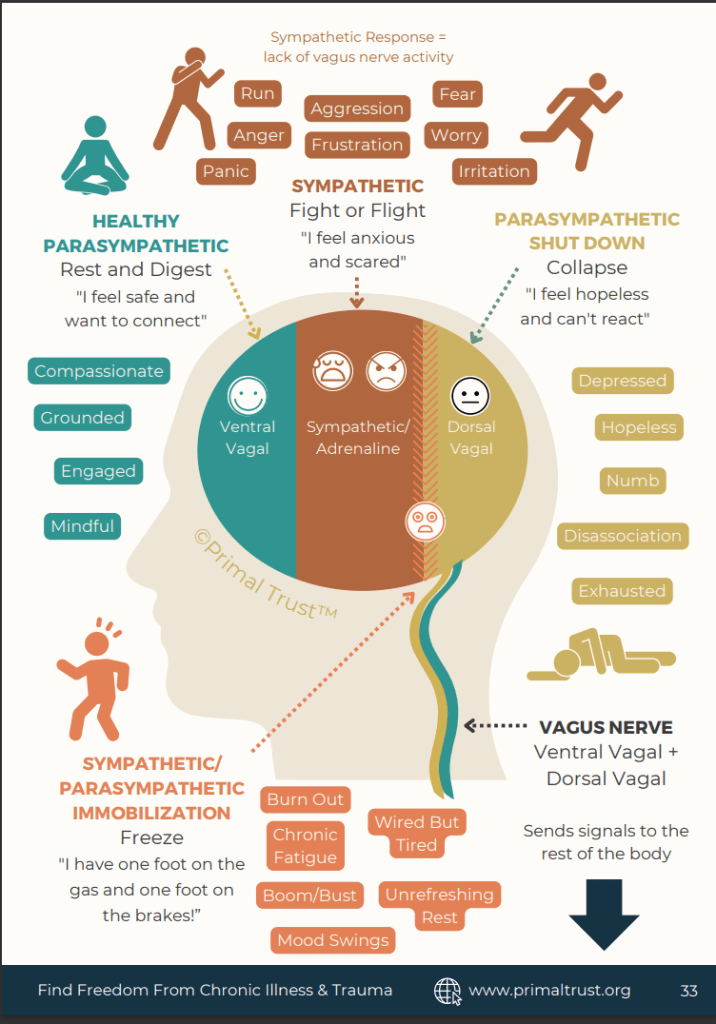
The brain is a unique organ, giving us the ability to think, feel, adapt and develop. It makes us able enough to look after our wellbeing. If we are stuck in old, redundant patterns, where we experience losses, disappointments or even intangible feelings of grief, disappointment, anger, we certainly need to rewire our brain. After all, we did survive five mass extinctions.


You might be wondering how is it possible to overcome limiting beliefs and achieve extraordinary results. The answer lies in neuroplasticity – your brain’s ability to change and adapt. I hope this beginner’s guide to neuroplasticity helps you harness basic principles to rewire your brain for success.
Understanding Neuroplasticity
Neuroplasticity is the brain’s capacity to form new neural connections and reorganize itself throughout life. This means that you can literally change your brain and your mindset.

The Three Brains: Reptilian, Mammalian, and Neocortex
The human brain is composed of three primary parts. These parts interact, often leading to conflicts and limiting beliefs.
1. Reptilian Brain
- Location: Located at the base of the brain, near the brainstem.
- Functions: Controls basic survival functions like breathing, heart rate, and body temperature. It also plays a role in instincts and reflexes.
- Role in Neuroplasticity: This is not as directly involved in neuroplasticity as the other two brains. However, the reptilian brain’s basic functions are essential for overall brain health and well-being.
2. Mammalian Brain (Limbic System)
- Location: Surrounds the reptilian brain.
- Functions: Involved in emotions, memory, and social behaviour. It’s responsible for our fight or flight response, as well as feelings like love, fear, and anger.
- Role in Neuroplasticity: The mammalian brain plays a crucial role in neuroplasticity, as emotions and experiences influence how our brain forms new connections.
3. Neocortex (Cerebral Cortex)
- Location: The outer layer of the brain, responsible for higher-order functions.
- Functions: Includes areas for language, thought, perception, and voluntary movement. It’s where complex problem-solving, decision-making, and creativity occur.
- Role in Neuroplasticity: The neocortex is highly involved in neuroplasticity, as it is responsible for learning, memory, and adapting to new experiences.
Unconscious Expectations: The Root of Limitations
Your unconscious mind, driven by the reptilian and mammalian brains, often holds limiting beliefs that can hinder your progress. These beliefs are often rooted in childhood experiences and societal conditioning.
Scientific Breakthroughs in Neuroplasticity
Neuroplasticity has been a fascinating area of research in recent decades, with numerous groundbreaking discoveries:
- Phantom Limb Syndrome: Studies on patients with phantom limb syndrome, where individuals feel sensations in a limb that has been amputated, have provided significant insights into neuroplasticity. The brain can rewire itself to create new neural pathways, even in the absence of physical input.
- Brain Injuries and Recovery: Research has shown that the brain has remarkable capacity to recover from injuries like strokes or traumatic brain injuries. Through neuroplasticity, the brain can form new connections to compensate for damaged areas.
- Learning and Memory: Neuroplasticity underlies our ability to learn new skills and form new memories. Studies have demonstrated how repeated practice can strengthen neural connections associated with specific tasks.
- Meditation and Mindfulness: Mindfulness practices have been shown to influence brain structure and function. Regular meditation can increase grey matter volume in areas associated with attention, emotion regulation, and learning.
- Brain-Computer Interfaces: Advances in technology have led to the development of brain-computer interfaces (BCIs), which can help individuals with disabilities control devices or prosthetics using their thoughts. These devices rely on neuroplasticity to establish new connections between the brain and external devices.

Rewiring Your Brain: A Three-Step Process
Recognize Your Unconscious Expectations: Become aware of the limiting beliefs that are holding you back.
Release Childhood Patterns: Challenge and replace negative patterns formed in childhood.
Rewire Your Neural Pathways: Actively create new neural connections through learning, mindfulness, and challenging experiences.
Practical Strategies
Continuous Learning: Engage in activities that stimulate your mind, such as learning a new language or playing a musical instrument.
I undertake many online courses from time to time. I attend masterclasses and webinars as well. They fuel the brain with new ideas and thoughts.







Mindfulness Meditation: Practice mindfulness to become more aware of your thoughts and feelings, and to develop greater control over your mind.
Read about my mindful walks, meditations here.
Challenge Your Brain: Step outside of your comfort zone and try new things.
My writing has evolved immensely in my 25-year-long career, as I wrote different kinds of content such as newsletters, magazines, newspaper articles, books, fiction and more. Each medium has a different requirement and needs a different thought process to give it a structure. I also moved heavily into the visual medium, as that was the need of the hour. Photography, videography, podcasting, preparing scripts for videos were all initially tough for me, but I worked on them.
My reading habits and preferences have changed as well and guide my new experiences and interactions.
Physical Exercise: Regular exercise promotes brain health and neuroplasticity.
Read about the good ways to keep fit here.
Healthy Lifestyle: Prioritize sleep, nutrition, and social connections.
Remember, it’s never too late to unlock your brain’s full potential. By understanding neuroplasticity and implementing these strategies, you can rewire your brain for positive change.
P.S: A trained therapist would be beneficial if you face complex issues. Else, change in lifestyle and adding simple practices can show effective results over the long term.
This post is a part of Blogchatter’s Cause A Chatter
This post is a part of Blogchatter Half Marathon 2024. Read more:
- Aspiring Writer’s Guide: Mastering the Art of Content Creation
- Kaziranga: A One-Horned Rhino Sanctuary in Assam
- Khajuraho’s Temples: The Erotic & The Divine
- Humayun’s Tomb Museum: The Bibliophile Mughal Emperor
- Dharamshala, McLeodganj, Palampur, Andretta: Kangra Valley Treasures
- Book Review: A Murder is Fixed by Madhav Nayak
- Jaipur: Pink City Through My Lens
- The Company of Violent Men: A South Asian Journalist’s Memoir
This post is a part of ‘Mindful Pursuit Blog Hop’ hosted by Manali Desai and Sukaina Majeed under #EveryConversationMatters.


 Queen of Treasures
I love reading about these topics!
LikeLiked by 1 person
“Fantastic breakdown of neuroplasticity and practical steps to rewire the brain! Your insights from ‘Sapiens’ and ‘Origin’ provide a compelling backdrop for understanding how we can adapt and grow. Love the actionable strategies and the reminder that it’s never too late to unlock our brain’s potential. Thanks for sharing these valuable tools for positive change!”
LikeLiked by 1 person
Whoa!!! Massive information made simple and readable. Complex topics have been broken down into smaller chunks making it easier for the reader to sail through. Apart from the scientific information shared, I loved the way you shared personal experiences of how one can apply them in ordinary life. Thanks for sharing realistic ideas that I’m sure will help us in our pursuit of happiness.
LikeLiked by 1 person
The brain is a fascinating organ and is capable of so much. I love the fact you attend so many webinars. Once upon a time I used to love taking free online courses around an aspect of literature. I love how any kind of art can teach you so much about yourself. I also loved your easy suggestions on rewiring our brains.
LikeLiked by 1 person
A lot of science here. Reading it was like going back to school. 😊 An important topic nevertheless.
LikeLiked by 1 person
science is the bridge between the visible and the invisible. the more the knowledge, the more clearer the visible. :D
LikeLike
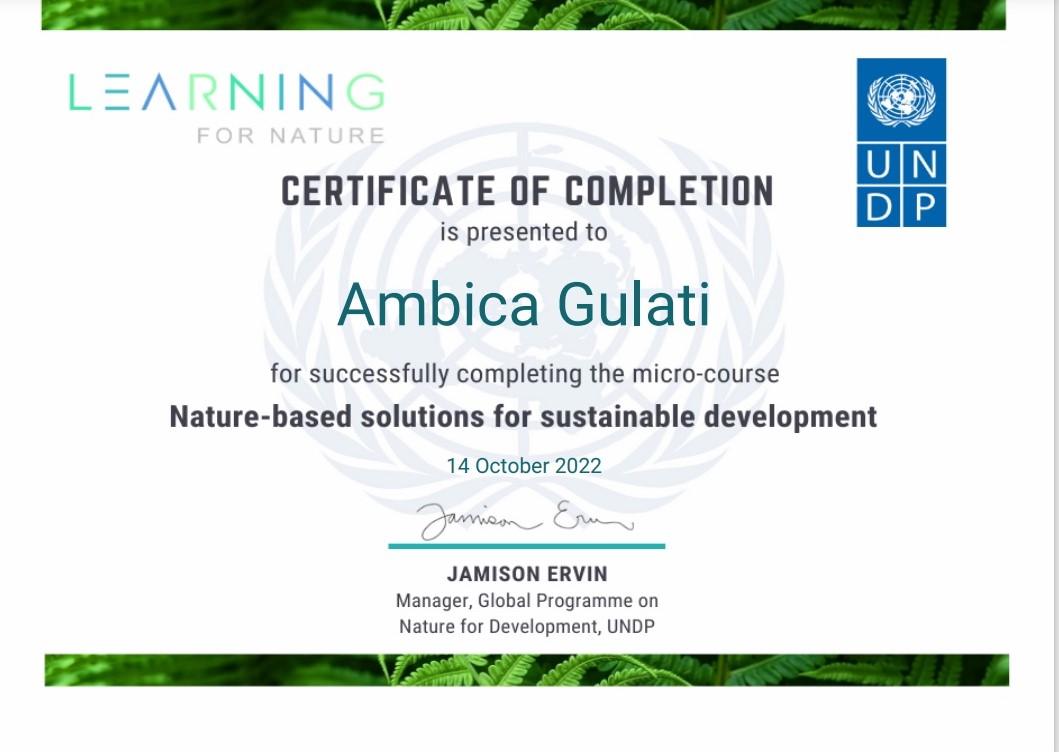
What an interesting read it is! I loved the way you’ve explained the concept of Neuroplasticity through various examples and sub topics. Congratulations on getting various certifications. That shows your dedication and accomplishments. Now, I have to understand my brain which , despite knowing the importance of doing physical exercises, doesn’t do!
LikeLiked by 1 person
😀 good the brain got going on exercise now
LikeLike
Interesting. I did know a few of these concepts but not all. It took me a lot of concentration to understand. That explains how we read content these days–simply skim quickly. Thank you for your post because it made me pause on a page longer and usual and pay more attention to the content.
LikeLiked by 1 person
Am.glad you stuck around to grasp it. That’s exactly what neuroplasticity is. Growing your hrey cells ✨️
LikeLike
I believe in the power of our subconscious mind and how we can train it the right way to get positive effects. Your post scientifically proves my findings.
LikeLiked by 1 person
This article is such an eyeopener, many things mentioned here, I have read for first time. Very insightful and doable tips to control our thoughts and rewire our brain.
LikeLiked by 1 person
It is a powerpack blog I have read recently. The pictorial depiction of brain to process different emotions, three parts of brain and comparison of left and right brain lead to in depth understanding of the concept that you have put forth in this blog.
LikeLiked by 1 person
Your reflections on books like Sapiens and Origin immediately struck a chord. It’s fascinating how both authors, though coming from different genres, highlight the human brain’s evolution and its role in shaping our future. Like you, I’ve often found myself pondering the delicate balance between technology and our primal instincts, wondering how we can preserve our humanity in an age that seems increasingly dominated by machines.
What stood out to me the most is how you’ve embraced the brain’s potential to overcome deeply ingrained patterns, traumas, and limitations. So many of us live “boxed” lives, as you perfectly put it, not realizing the true power we hold to rewire and reshape our reality. Your mention of the fight, flight, freeze, and fawn responses was particularly insightful—it reminded me of how often our unconscious beliefs take the wheel, leaving us stuck in cycles that don’t serve us anymore.
LikeLiked by 1 person
Very happy to know that the learning resonated with you.
LikeLike
Congratulations Ambica, you have written about a technical thing like neuroplasticity in such a lucid manner that it is easy to understand this concept.
The brain indeed is our most powerful organ and latests research is showing us that there is hope for people suffering from acute trauma, stroke etc. through remodelling our brain and neural pathways.
LikeLiked by 1 person
I read those pieces on brain change and am very impressed with the research and the brains ability. We should truly work on increasing brainpower to live a healthy life.
LikeLike
The brain is a like a muscle that needs to be constantly worked at. With you on the strategies. Getting out of the comfort zone, learning new things, and most important, mindful meditation. Challenging the brain is the key to a healthier life. Also learning it from the septuagenarians and octogenarians in the family.
LikeLiked by 1 person
Wow! its wonderful to learn about rewiring our brain through the new concept of Neuroplasticity. This post is enlightening and highlighting the fact that our brain has the ability to adapt and change if we train it well.
LikeLike
Engaging in mind activities has helped me a lot too. This was such a detailed post to help us figure out the what, why and how towards the healing of the brain/mind
LikeLiked by 1 person
now that interesting. Rewiring your brain almost like resetting your beliefs and your opinions. Really liked the detailed analysis.
LikeLiked by 1 person