
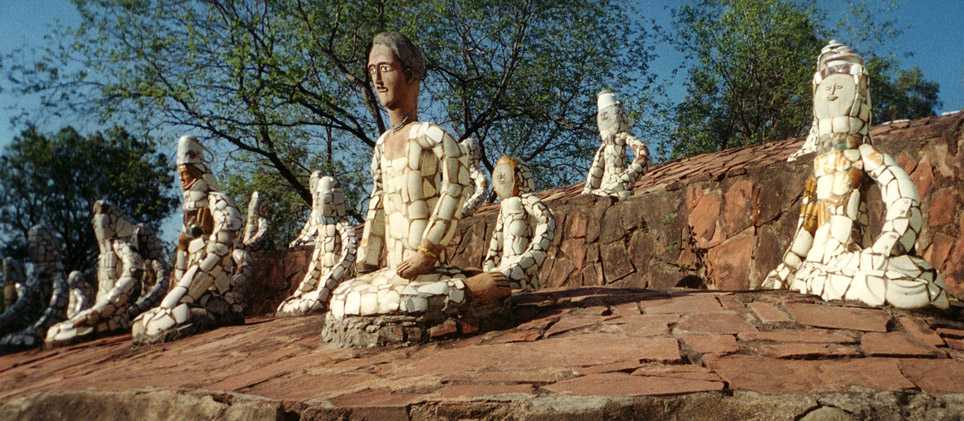
My understanding of art might be limited to its aesthetics, but I’ve always believed that public art is much more than just beautification. The Rock Garden was the original “Upcycling” movement before the term even existed.
The Rock Garden is one of the world’s most famous examples of “Outsider Art” and a pioneer in sustainable urban design. This isn’t just a local landmark; it’s a global conversation about how cities treat “waste” and “wonder.”
- A Shocking Headline and a Cherished Memory
- More Than Just Decoration: The Essence of Public Art
- Weaving Narratives into Urban Landscapes
- Ancient Echoes: Public Art Through History
- Learning Tools: Walls as Blackboards
- The Modern Canvas: Street Art Takes Center Stage
- Beyond Walls: Sculptures Redefining Public Spaces
- Art for the People: Inclusivity and Impact
- A Historical Perspective: The Evolution of Public Art
- The Rise of the Modern Street Art Movement
A Shocking Headline and a Cherished Memory
The Indian Express headline, “Chandigarh’s Rock Garden in danger: Nek Chand’s granddaughter urges PM to stop ‘destruction,’” left me shocked. How could they even consider dismantling any part of an iconic landmark, one that put Chandigarh on the global map for both tourism and art? I immediately looked up my old post on Chandigarh, a city so beautifully designed, where the Rock Garden stands as a true legacy. I reminisced about my walk through that incredible space, surrounded by green, passing rows of installations – all that waste transformed into wonder. Nek Chand’s incredible creation, a whimsical world built from recycled materials, is more than just a tourist attraction; it’s a powerful symbol of Chandigarh’s identity and a study in sustainable art.
More Than Just Decoration: The Essence of Public Art
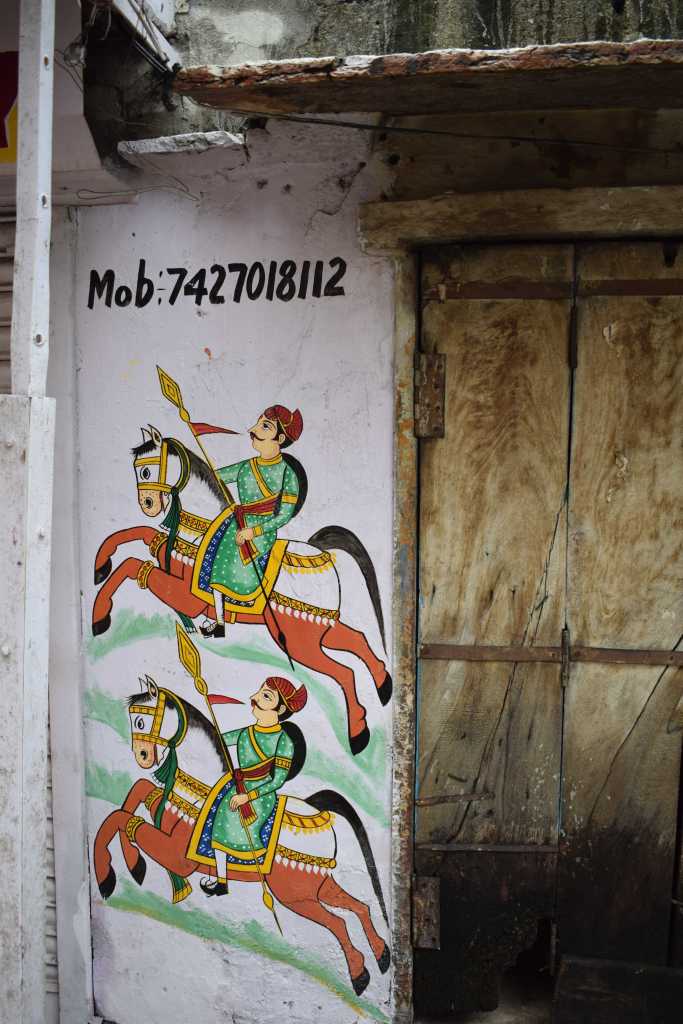
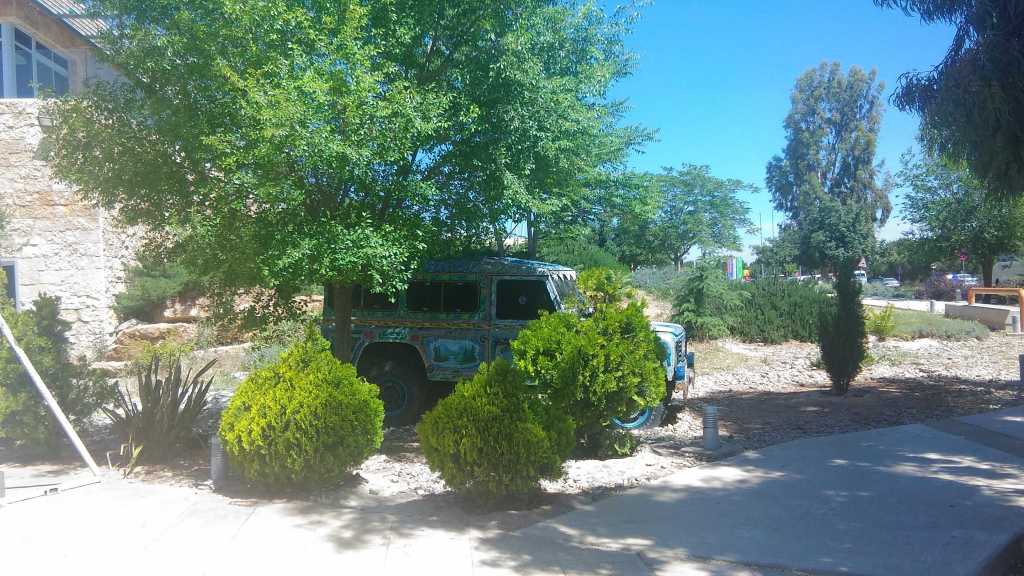
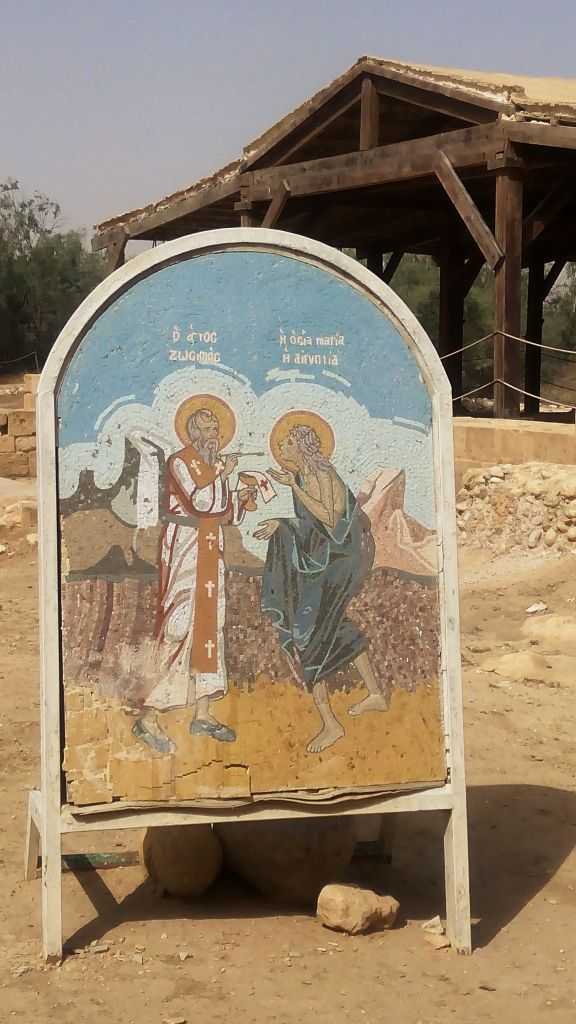
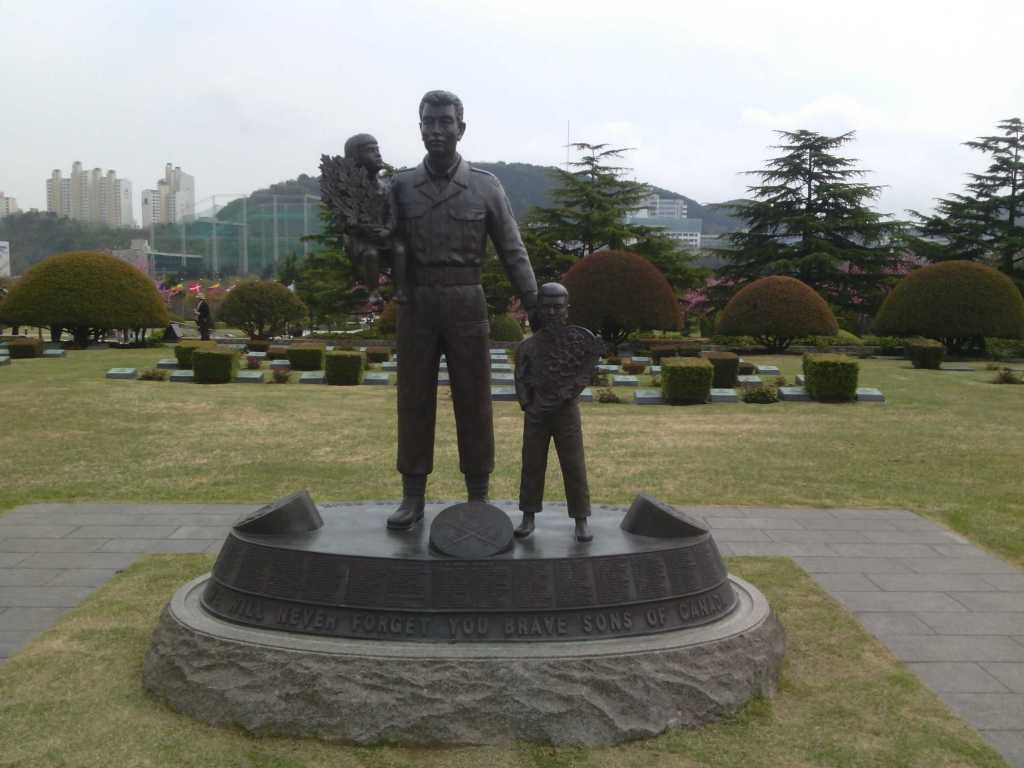
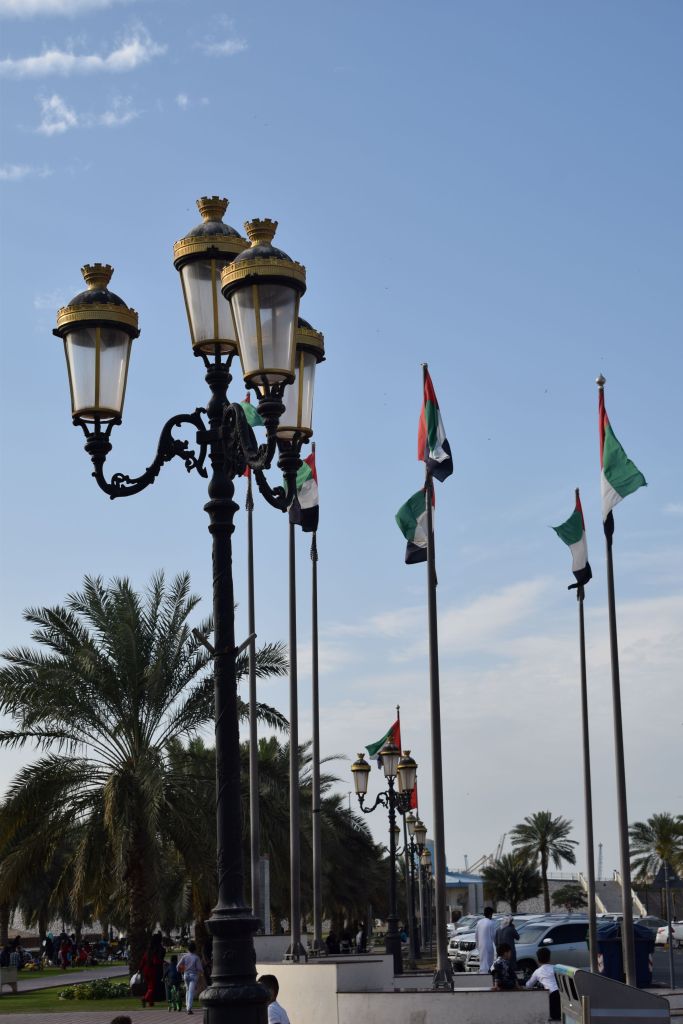
Whenever I encounter public art, it sparks something within me – an inspiration, a larger-than-life vision, an expression of identity, the very soul of a city. It’s never just decoration in the middle of a road; it’s a vital conversation between the space and the people who inhabit it.
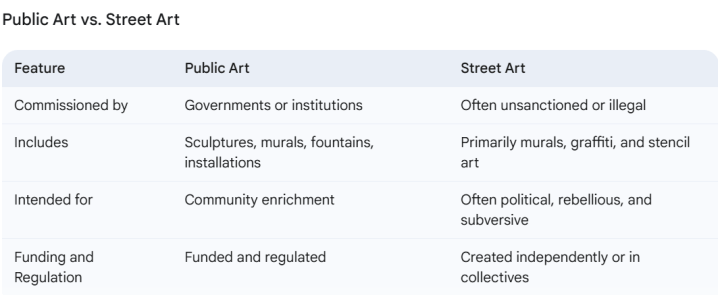
To define it simply, public art refers to artwork created and displayed in public spaces, accessible to everyone, and often commissioned for civic or communal purposes. This encompasses murals, sculptures, installations, mosaics, performances, and even digital and interactive art. Unlike the confined experience of museums or galleries, public art is meant to engage directly with the community, reflecting our cultural, historical, social, or political themes.
Weaving Narratives into Urban Landscapes
Cities, with their ever-growing populations, can often feel harsh and impersonal. But they don’t have to be devoid of beauty. I still remember the controversy during the ‘Namaste Trump’ event in 2020 when officials in Ahmedabad hastily erected a wall to hide a slum. They claimed it was to keep the roads free of ‘paan spits’ (beetel leaf), but true beautification isn’t about concealing the unpleasant; it’s about creating something truly meaningful and inclusive.
More recently, Delhi Chief Minister Rekha Gupta inaugurated the wall art in Kalkaji, committed to a beautiful and cleaner capital. Even Prayagraj received a vibrant artistic facelift in preparation for the Mahakumbh 2025, transforming ordinary blank walls into captivating storytelling canvases. This is the power of public art – it redefines landscapes, weaving human narratives into our urban spaces and inspiring the folklores of future generations.
Ancient Echoes: Public Art Through History
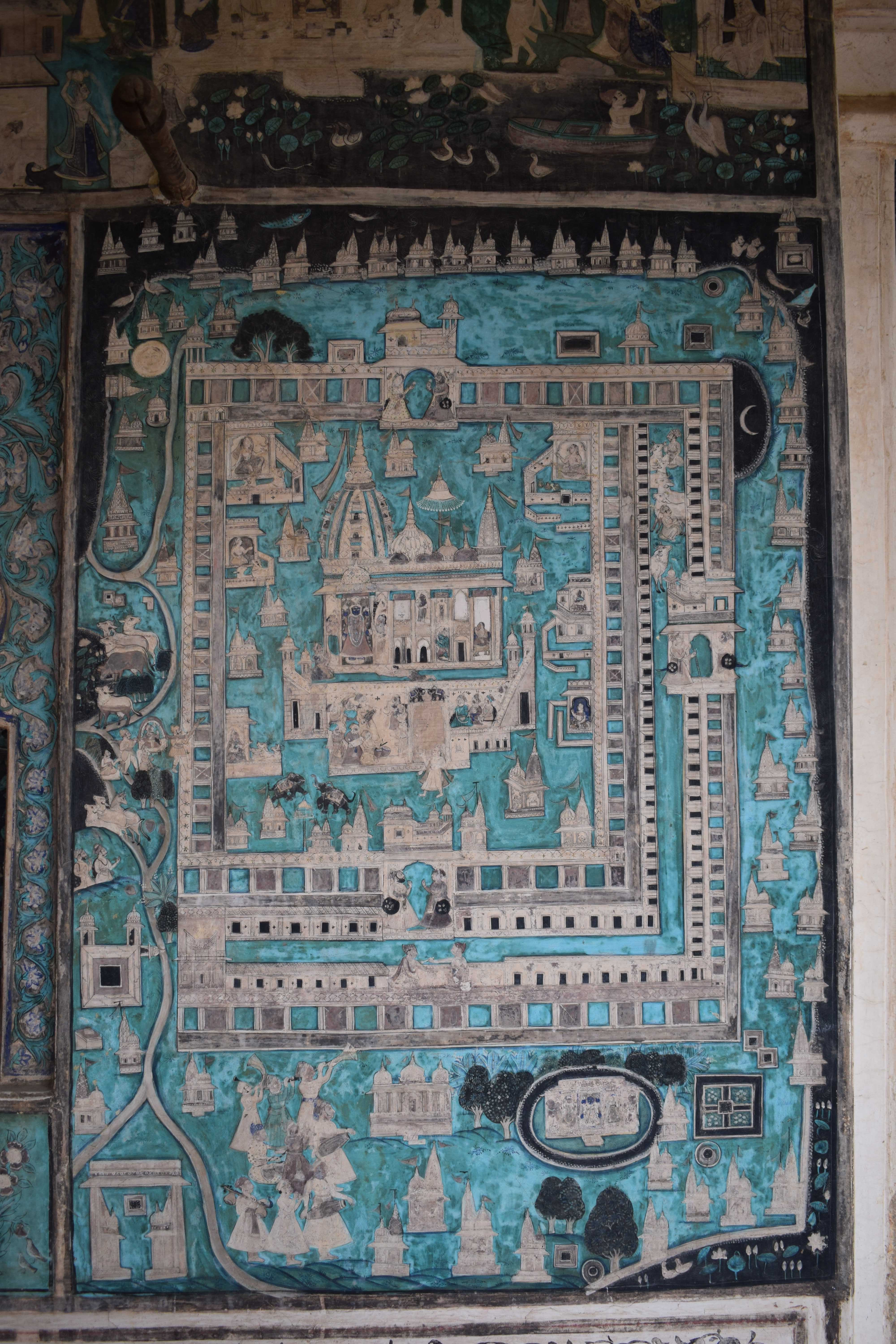
But this concept of public art is far from new. Traveling through the vibrant state of Rajasthan, I was utterly mesmerized by the intricate frescoes adorning the havelis of Shekhawati, Churu, Bundi, and Bikaner. Dating back to the 18th and 19th centuries, these murals weren’t mere decoration; they were vivid chronicles of mythology, daily life, and even encounters with the colonial era – history books etched in vibrant colour.
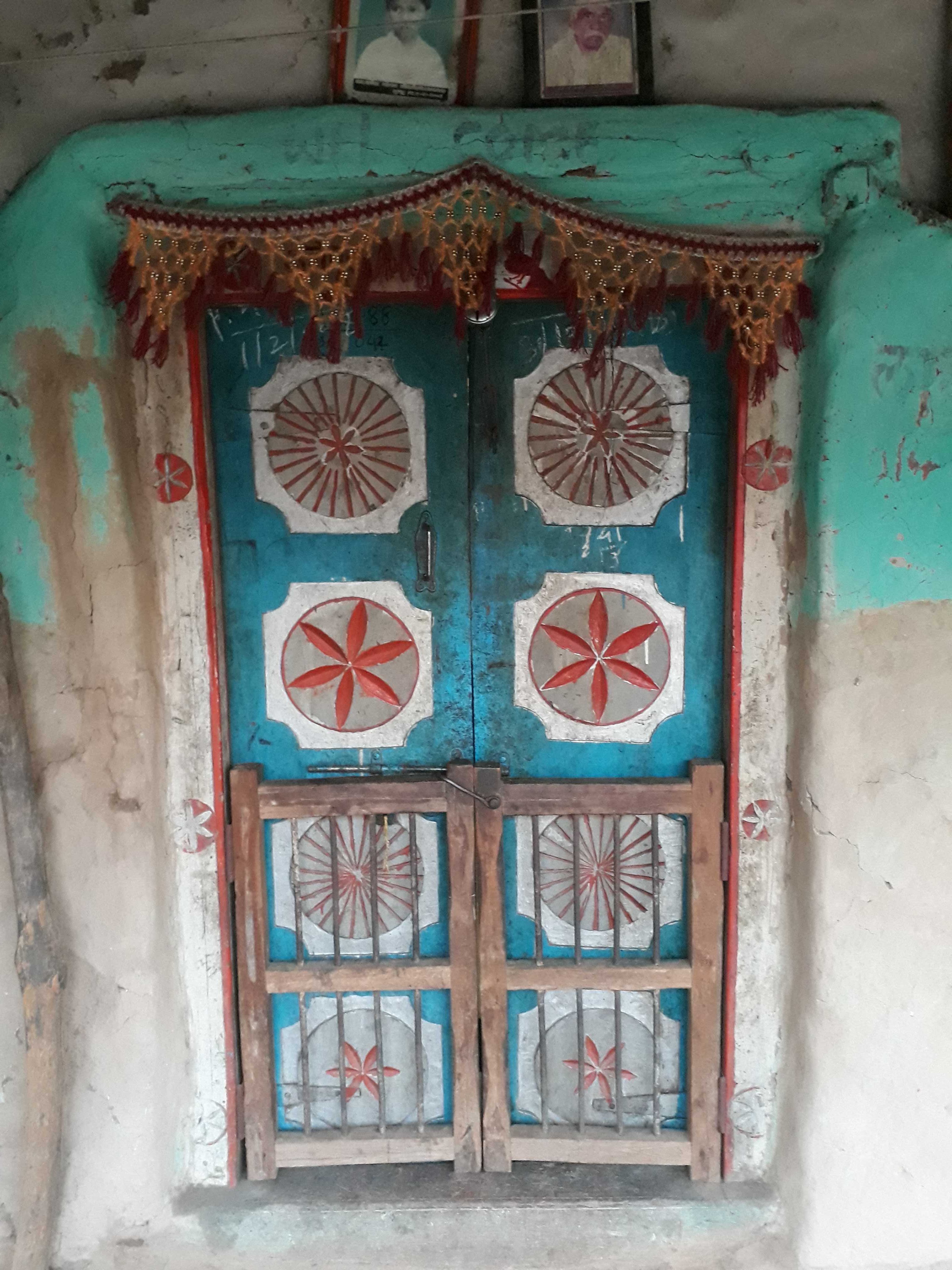
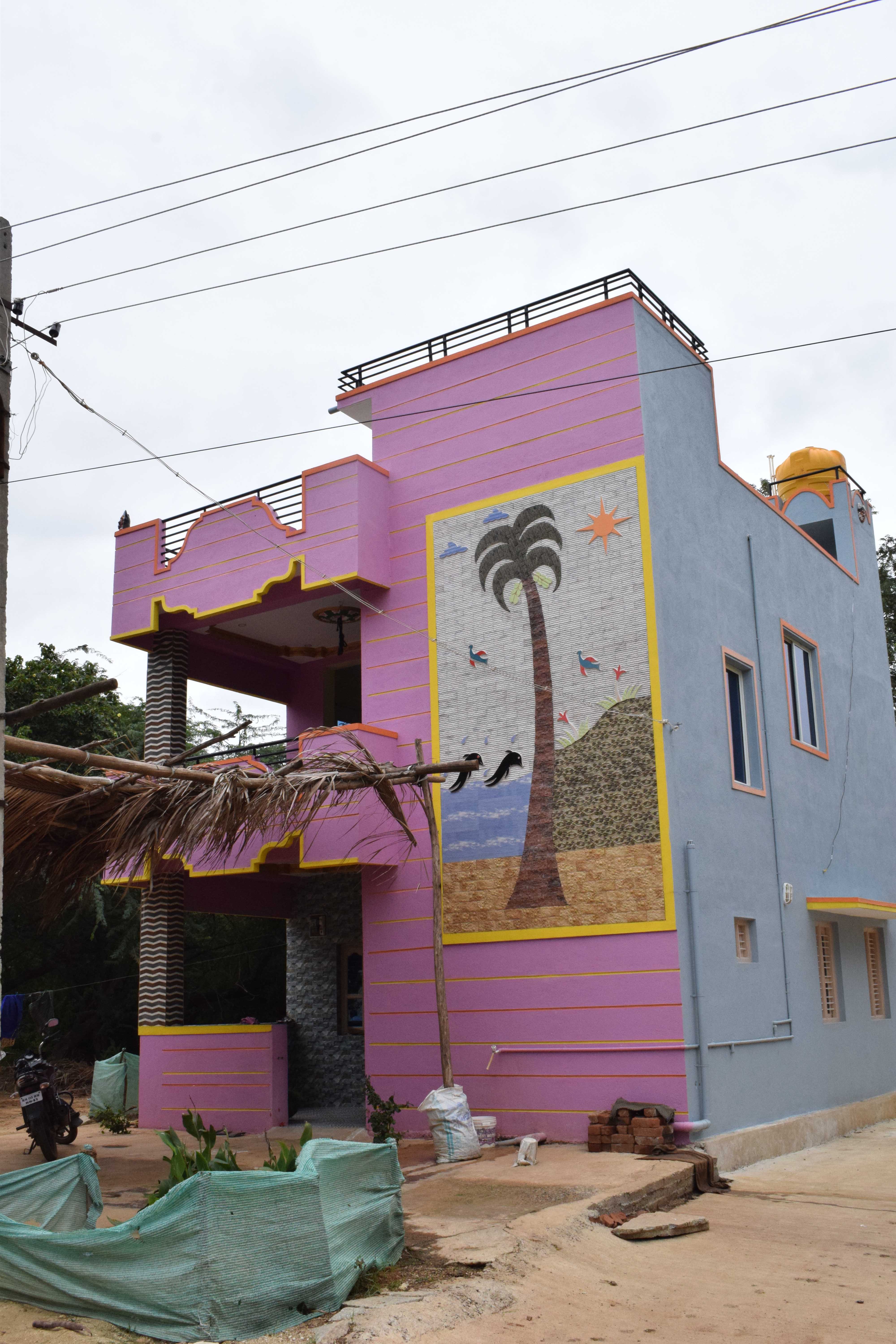
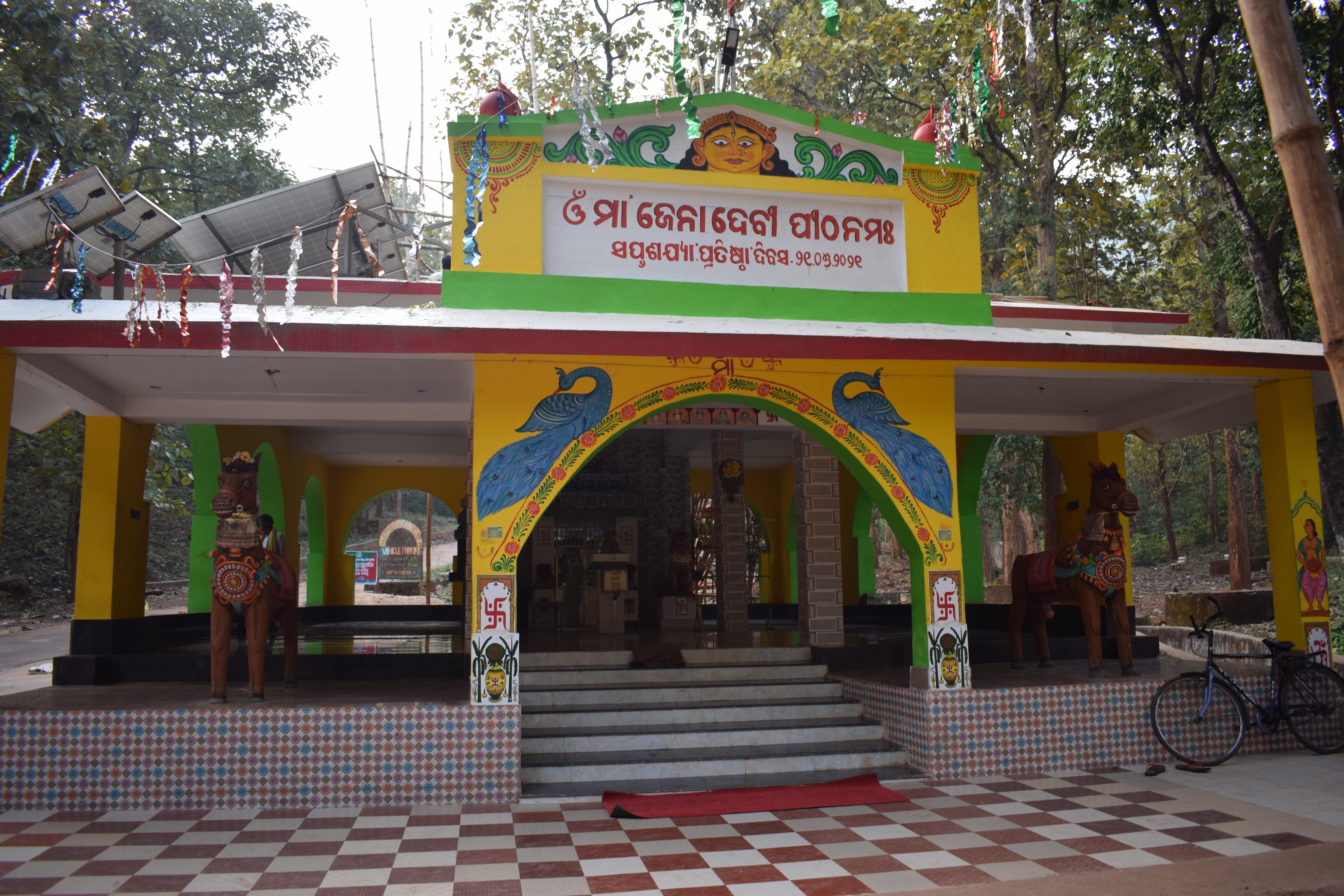
Across the villages of India, I’ve witnessed mud homes lovingly adorned with traditional motifs, an unbroken tradition of storytelling passed down through art. On a recent trip to Nashik, I discovered the auspicious folk art of Warli. Before any significant occasion, the mud walls of homes are painted with these distinctive geometric figures, each narrating the deep connection between humanity and nature.
Learning Tools: Walls as Blackboards
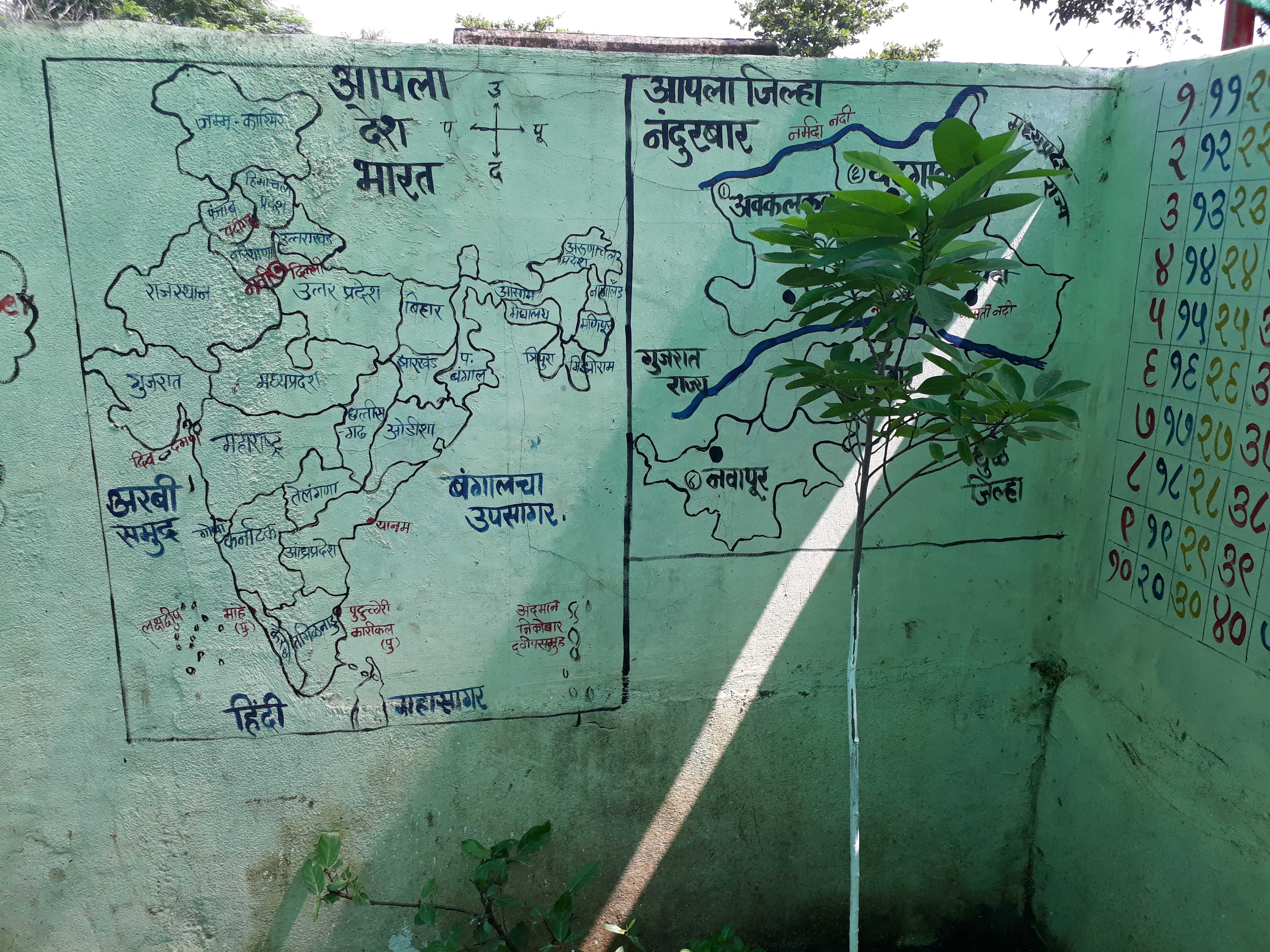
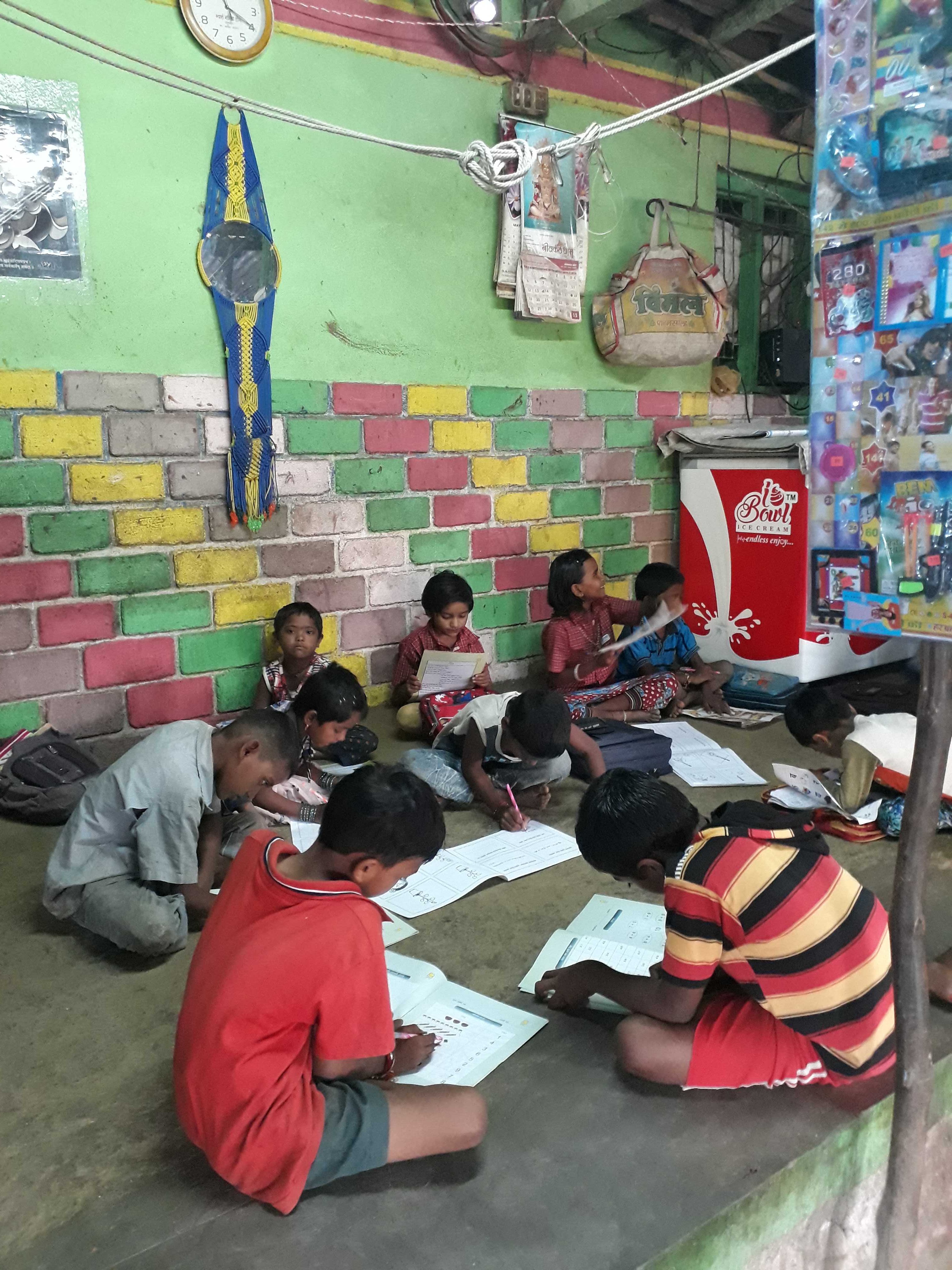
In a remote, single-room school I visited in the Nandurbar district of Maharashtra, art became an integral part of learning. The walls were painted with everything from the map of India to the days of the week, creating an immersive educational environment for the tribal children.
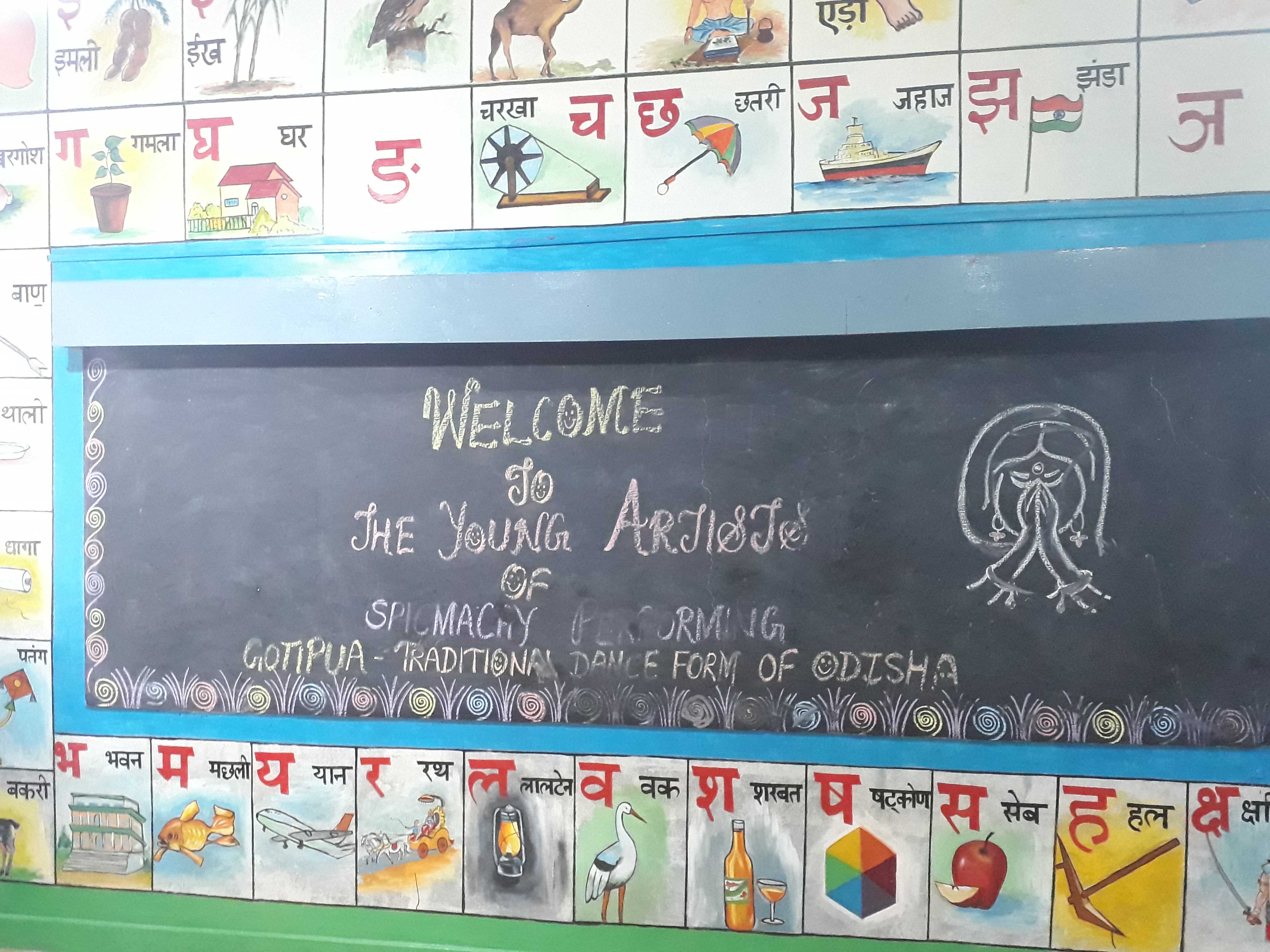
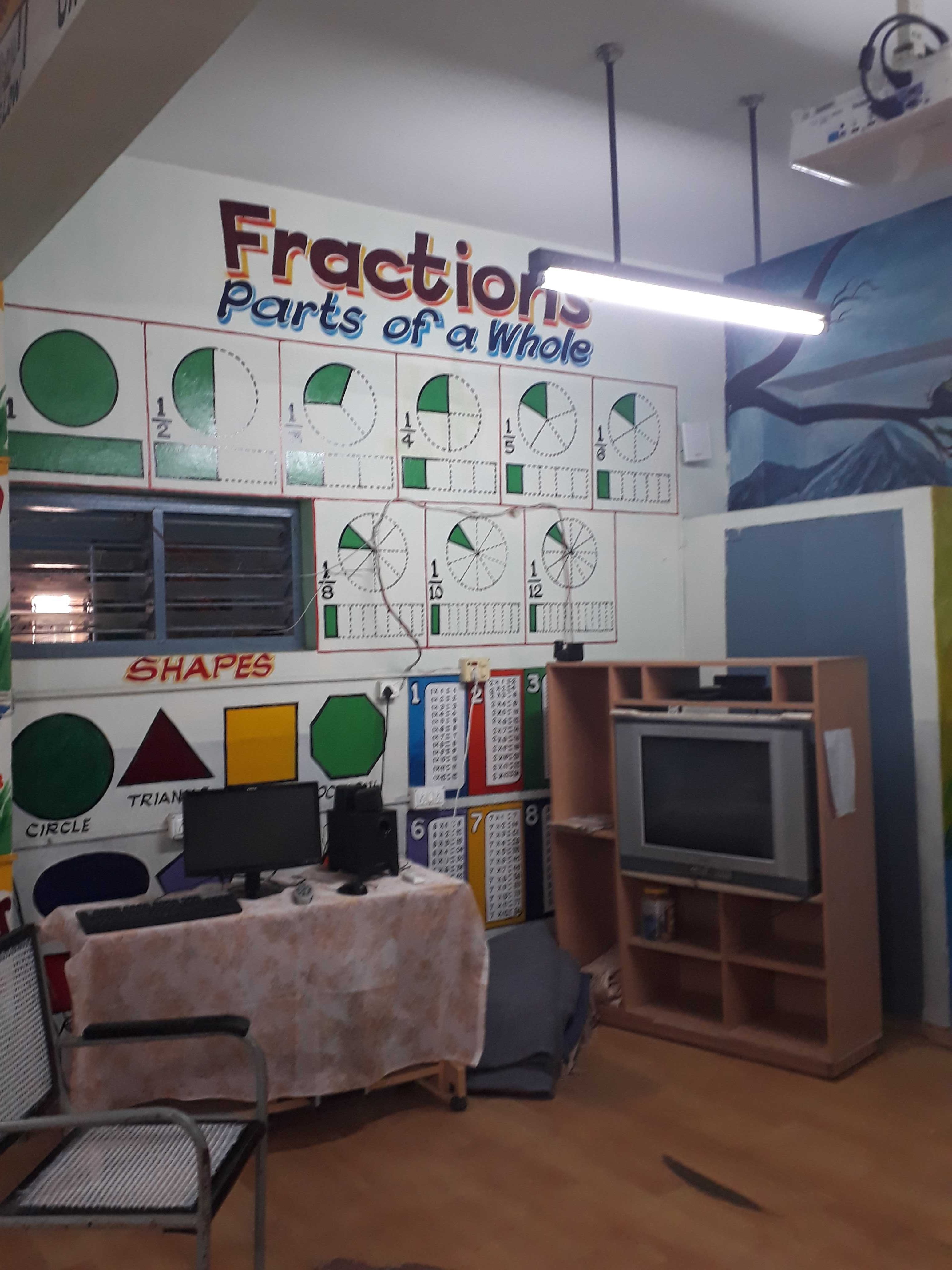
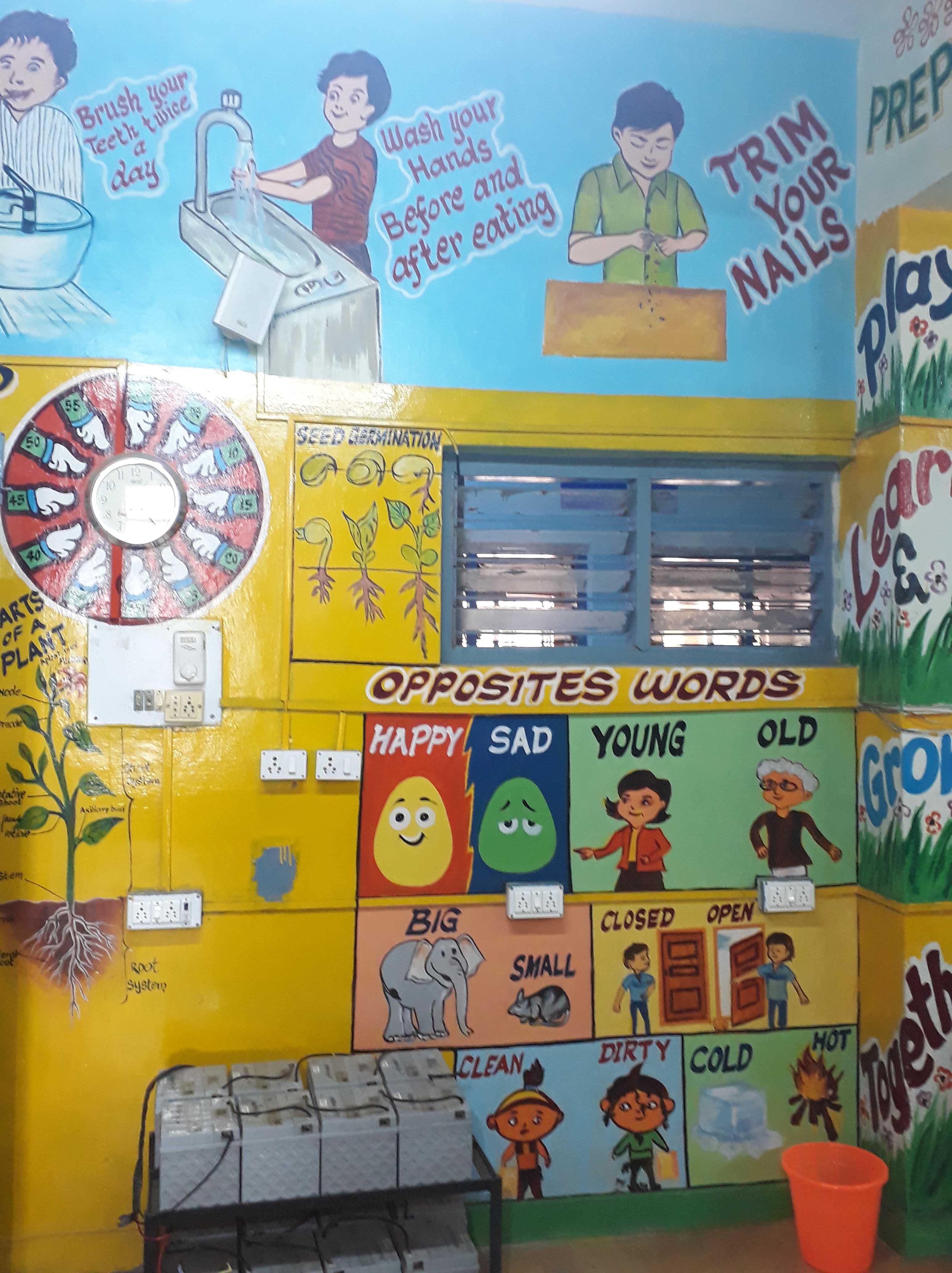
Similarly, in a school in Karnataka’s Kolar district, entire classroom walls were transformed into visual aids, covered in science and math formulas – art serving as a powerful tool for education.
The Modern Canvas: Street Art Takes Center Stage
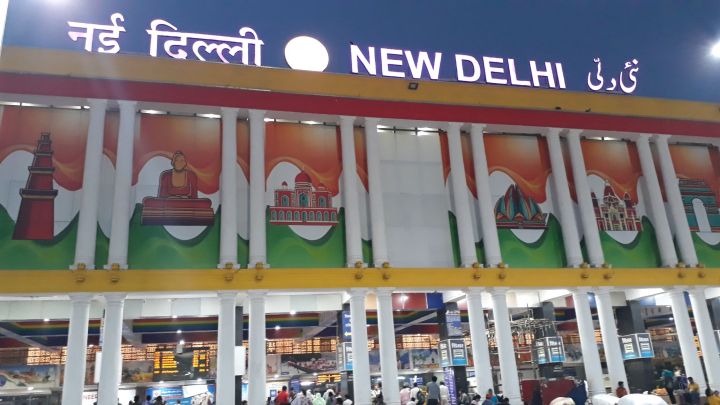
During my coverage of street art in Delhi and Noida for Patriot in 2019, I truly grasped the transformative impact of art on the most unremarkable spaces. The once-ignored, drab concrete pillars supporting metro lines, the faded walls of railway station, had become striking murals, bursting with colour and profound meaning.
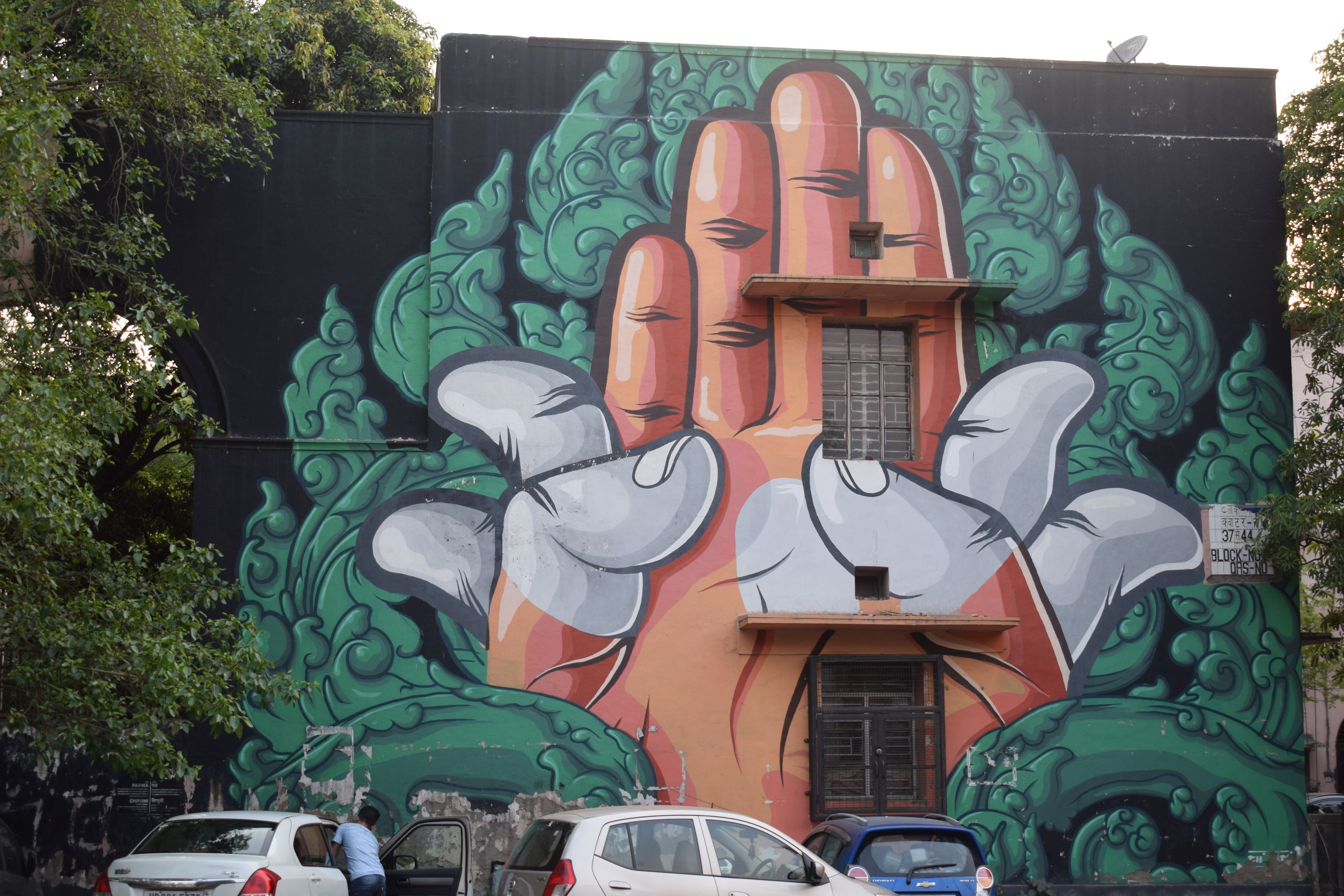
The vibrant Lodhi Art District, an explosion of colour and imagination curated by the St+art India Foundation, turned an ordinary government colony into a captivating open-air museum, with permissions from the Delhi government. These murals are a social media sensation, drawing photographers, influencers, and art enthusiasts from far and wide.
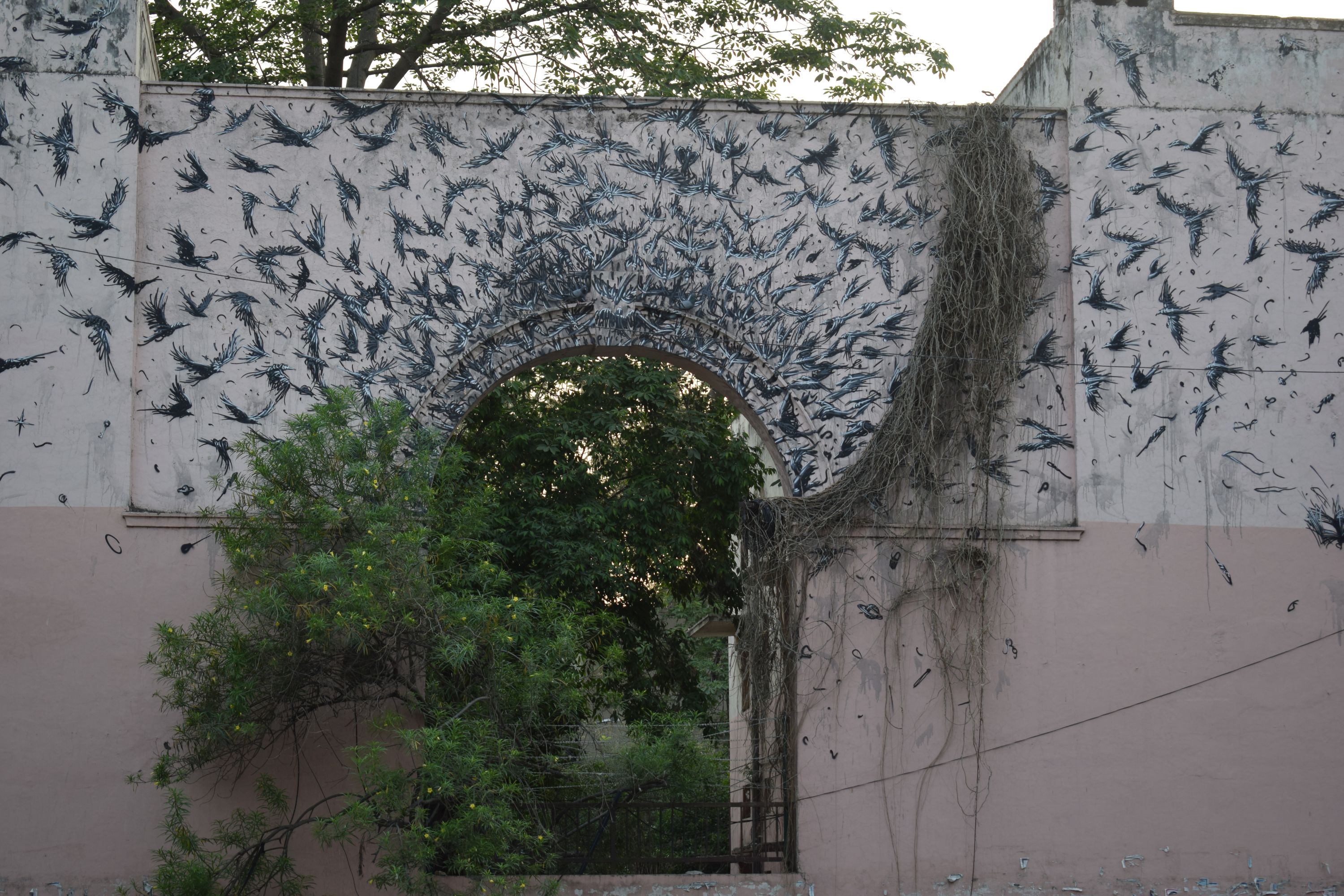
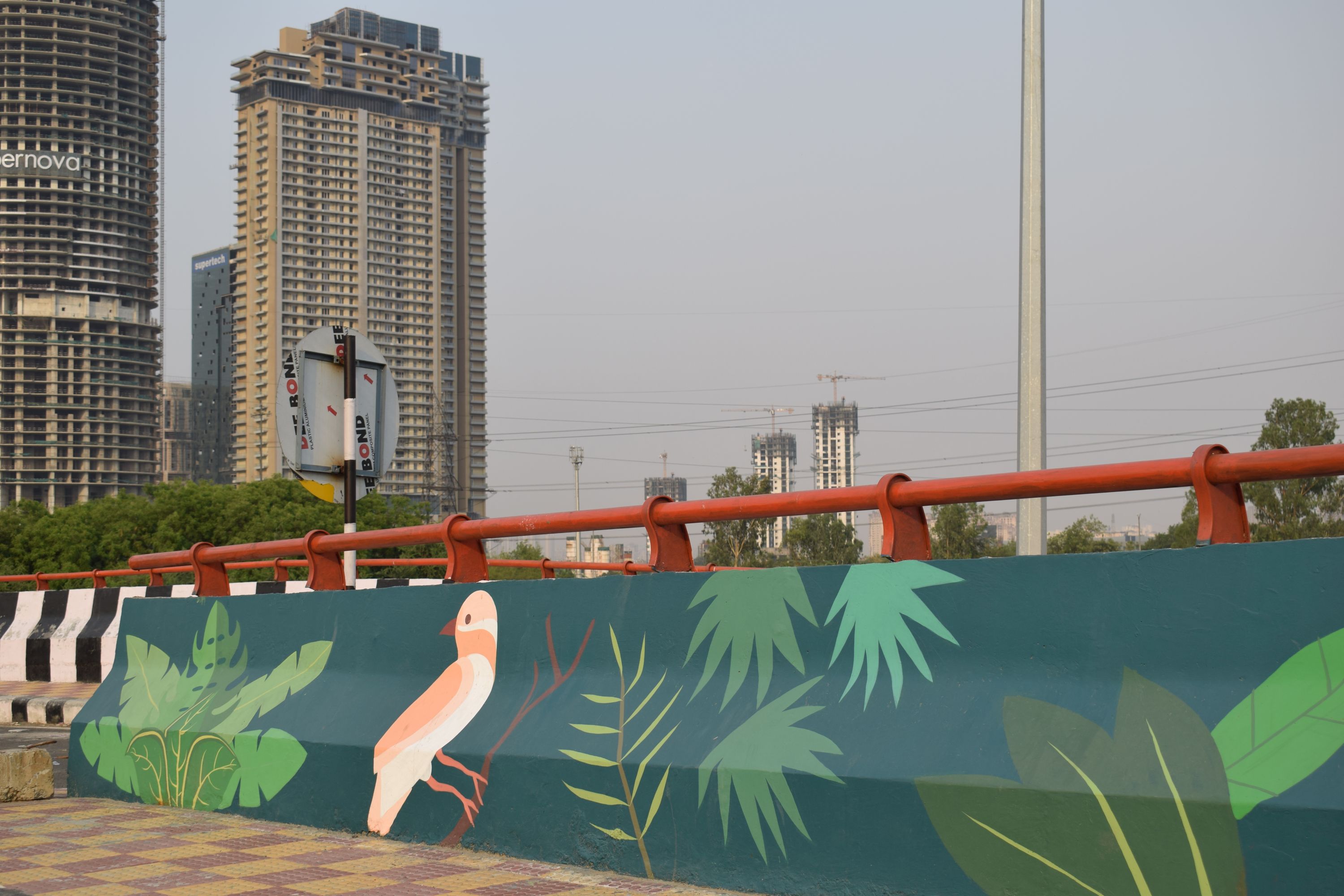
The Noida-Kalindi Kunj Bridge stands as another excellent example, adorned with nature-inspired murals by the Kiran Nadar Museum of Art (KNMA). This is in sync with Noida Authority. As the bridge leads towards the Okhla Bird Sanctuary, its murals depicting birds and animals in the intricate Gond art style create a seamless visual journey that harmonizes with the surrounding environment.
Years prior, in 2013, I had the privilege of interviewing the late Col Shivraj Kumar, an ex-army man and the inspiring founder of the Poster Hatao campaign. His dedication to removing illegal posters and cleaning Delhi’s walls was remarkable.
During a walk with the Salaam Baalak Trust through Delhi’s bustling Paharganj, I was impressed by their unconventional yet effective solution: installing ceramic tiles depicting Hindu deities in alleys to deter public urination. City walls are no longer mere brick and paint, used for cheap advertising.
However, what can’t be constituted as public art is painting trees with oil paints and electric lights! Ecologists call it slow murder, as stems can’t exchange vital gases and nutrients and dark periods are needed for trees to revitalise. They also support insects and birds who won’t thrive in this environment.
(Source: Citizen Matters, BMC beautification: Environmentalists warn of damage to trees by paints and lights)
Beyond Walls: Sculptures Redefining Public Spaces
Beyond the captivating world of murals, open-air sculptures are increasingly redefining public spaces in Delhi-NCR. Many of us have likely seen the majestic lion sculptures close to the Delhi Airport, playfully sprinkling water.
Even the art installations at Delhi Airport Terminal 1 by Paresh Maity make arriving early a worthwhile experience. The massive elephants and metallic sculptures create an atmosphere where waiting transforms into a journey through creativity.
Across Noida, open-air sculptures, ranging from abstract modernist forms to installations deeply rooted in traditional tribal metalwork, invite interaction, spark contemplation, and foster meaningful dialogue.
I recall seeing some particularly beautiful examples of tribal art in metal on the grounds of the Mahunt Ghasidas Museum in Raipur, Chhattisgarh. Then there were the terracotta marvels in the premises of the Adivart Tribal & Folk Art Museum in Khajuraho.
Globally, innovative art villages like Gamcheon Culture Village in Busan and the vibrant Rainbow Village in Taichung have successfully transformed once-neglected spaces into living, breathing artworks, drawing visitors and revitalizing communities.
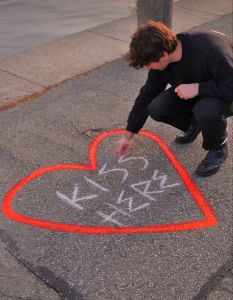
Greg Goya is a street artist from Turin, Italy, known for his ‘fast art’, a hybrid between street art and performance art. His interactive works have provoked instant emotions from the public. His first street art was in Murazzi, Turin. Titled ‘Kiss Stop’, he painted a heart on the ground, with the label ‘kiss here’. Starting out his career as a custom sneaker designer at Nike, Goya uploads his works on Instagram and TikTok.
India’s urban spaces, too, turn monotonous, grey cityscapes into dynamic and immersive art galleries for all to enjoy.
Art for the People: Inclusivity and Impact
I remember a conversation with Giulia Ambrogi, the insightful curator at St+art India, the very NGO that brought the Lodhi Art District to life. She spoke passionately about how public art fosters a crucial sense of belonging within a community. These open-air museums offer real-world storytelling, making art inclusive and prioritizing passion and connection over mere commercial value.
Kiran Nadar, the visionary founder of KNMA, astutely highlighted that bringing art into our everyday public spaces makes it far more accessible to individuals who might never otherwise step foot inside a traditional gallery.
Furthermore, many of today’s large sculptural installations bravely address pressing global issues such as climate change, the vital importance of cultural preservation, and the urgent need for sustainability.
Ultimately, public art is about appreciation, shifting our perspective from the concept of ‘owning’ art to the far more enriching experience of ‘experiencing and sharing’ it. Art, in its public form, breaks down barriers, becoming a shared, lived experience that enriches our collective lives. Whether it’s through the timeless frescoes of Rajasthan, the thought-provoking sculptures in museum gardens, or the vibrant murals that colour our city walls, public art remains an undeniably powerful force.
Have you ever felt a connection to the murals, installations, or sculptures you encounter in public places?
A Historical Perspective: The Evolution of Public Art
Public art has a rich history stretching back thousands of years, evolving through diverse forms and serving various purposes, from solemn commemorative statues to powerful, politically charged street murals.
The earliest forms of public art can be traced back to ancient times, evident in the captivating cave paintings found in sites like Lascaux in France and Bhimbetka caves in India, as well as the enduring petroglyphs etched onto rock surfaces. These early artistic expressions served as vital tools for storytelling and the preservation of cultural heritage.
Ancient civilizations also embraced monumental art for public expression. The Egyptians created awe-inspiring structures such as the pyramids, the enigmatic Sphinx, and intricate hieroglyphic reliefs to celebrate their rulers and honour their gods. The Greeks developed highly intricate sculptures, as seen in the iconic Parthenon friezes, and their vibrant amphitheatre performances were a central part of public life. The Romans, known for their engineering prowess, incorporated elaborate mosaics, imposing statues, and grand arches like Trajan’s Column to commemorate their significant military victories.
During the Middle Ages, public art in Europe took on a predominantly religious character, beautifully expressed in the soaring Gothic cathedrals, the luminous stained glass windows, and the narrative frescoes painted in churches, such as Giotto’s renowned frescoes in Italy.
The Renaissance and Baroque periods witnessed a flourishing of public art across Europe, with iconic artists like Michelangelo, whose masterpiece adorns the Sistine Chapel ceiling, Bernini, the creative force behind St. Peter’s Basilica’s grandeur, and Raphael, known for his magnificent Vatican frescoes, all contributing to large-scale public artworks that continue to inspire.
The 18th and 19th centuries saw public art increasingly employed to glorify the burgeoning sense of nationhood, to immortalize prominent political leaders, and to commemorate war heroes. Iconic examples from this era include the majestic Statue of Liberty, erected in the U.S. in 1886 as a symbol of freedom, and Nelson’s Column, raised in London in 1843 to celebrate victory. This period also marked the beginnings of intentionally designed public parks in cities, often featuring carefully placed sculptures, such as the renowned Central Park in New York City.
The Rise of the Modern Street Art Movement
While the tradition of public art spans millennia, the vibrant and dynamic phenomenon of street art is a more recent development, emerging from underground and often countercultural movements. The 1960s and 70s witnessed the birth of street art as a distinct social movement with the rise of graffiti culture in cities like New York and Philadelphia. Pioneering artists like Cornbread and Taki 183 began tagging buildings, subway cars, and public walls, marking their presence and initiating a new form of urban expression.
The 20th century also saw the powerful emergence of political murals. Mexico’s influential Muralist Movement of the 1920s and 30s, spearheaded by visionary artists like Diego Rivera, José Clemente Orozco, and David Siqueiros, utilized large-scale murals as a potent medium to reflect the social struggles and political realities of the time. Similarly, the impactful Belfast murals in Northern Ireland during the 1970s and 80s served as powerful visual representations of the deep-seated political conflict between Protestant and Catholic communities.
The evolution of urban art continued through the 1980s, with artists like Keith Haring and Jean-Michel Basquiat boldly combining the raw energy of graffiti with elements of contemporary pop culture, blurring the lines between street art and the established art world. In the 1990s and 2000s, the enigmatic artist Banksy emerged, transforming street art into a sharp form of political commentary through his distinctive and often satirical stencil-based works.
Street art in the 21st century has increasingly gained legal recognition and mainstream acceptance. Many cities now actively sponsor street art festivals and establish open-air museums, such as the iconic East Side Gallery on the remnants of the Berlin Wall. Organizations like St+art India, Open Walls Baltimore, and Wynwood Walls Miami have played a pivotal role in transforming neglected urban spaces into thriving public art hubs, injecting creativity and vibrancy into previously overlooked areas. Furthermore, the evolving landscape of street art now embraces interactive and digital forms, with augmented reality (AR) street art and captivating projection mapping becoming increasingly prominent elements of the urban art scene.
I’m participating in #BlogchatterA2Z

 Queen of Treasures
True, wall murals and art pieces enhance the aesthetics of a place. I remember my first time landing in Ranchi—the walls outside the airport were adorned with beautiful artwork, welcoming visitors with Johar Ranchi. It was so captivating that I kept turning back from my car, trying to take in every detail until it disappeared from view. The murals and wall paintings you’ve captured across cities are incredible!
LikeLiked by 1 person
Yes, cities abroad have won awards with wall art and good planning.
LikeLiked by 1 person
Dismantling art is something unacceptable, especially with something like Chandigarh’s Rock Garden. This post has so much of important information regarding public art.
LikeLiked by 1 person
A very insightful read. There are walls and flyovers in Bombay city that have been painted and I have only ever looked at them from the perspective of beauty. But, your blog post makes me see them as more than just beauty. It is indeed a way of preserving the ethos of a city and sharing and experiencing something together.
LikeLike
That’s interesting to know..wall art mumbai..considering the sea air I always see faded walls there, which part of Mumbai. I would keep that on my list, should I go again.
LikeLiked by 1 person
Fading of course happens but where they aren’t faded, they are beautiful :)
LikeLiked by 1 person
I am amazed by how you collate collate the information with quotes within & beyond borders. Your effort is commendable.
True. Gardening and public art do give a unique identity to any place.
LikeLiked by 1 person
Thank you for the kind words.
LikeLiked by 1 person
I agree with you about street art. It is, and should be, far more than mere beautification.
LikeLike
I have less understanding of art too but yes art that sends out a message, I’m all in for that. I’ve been to the Rock Garden and was mesmerized by the level of creativity behind each piece and installation.
LikeLiked by 1 person