
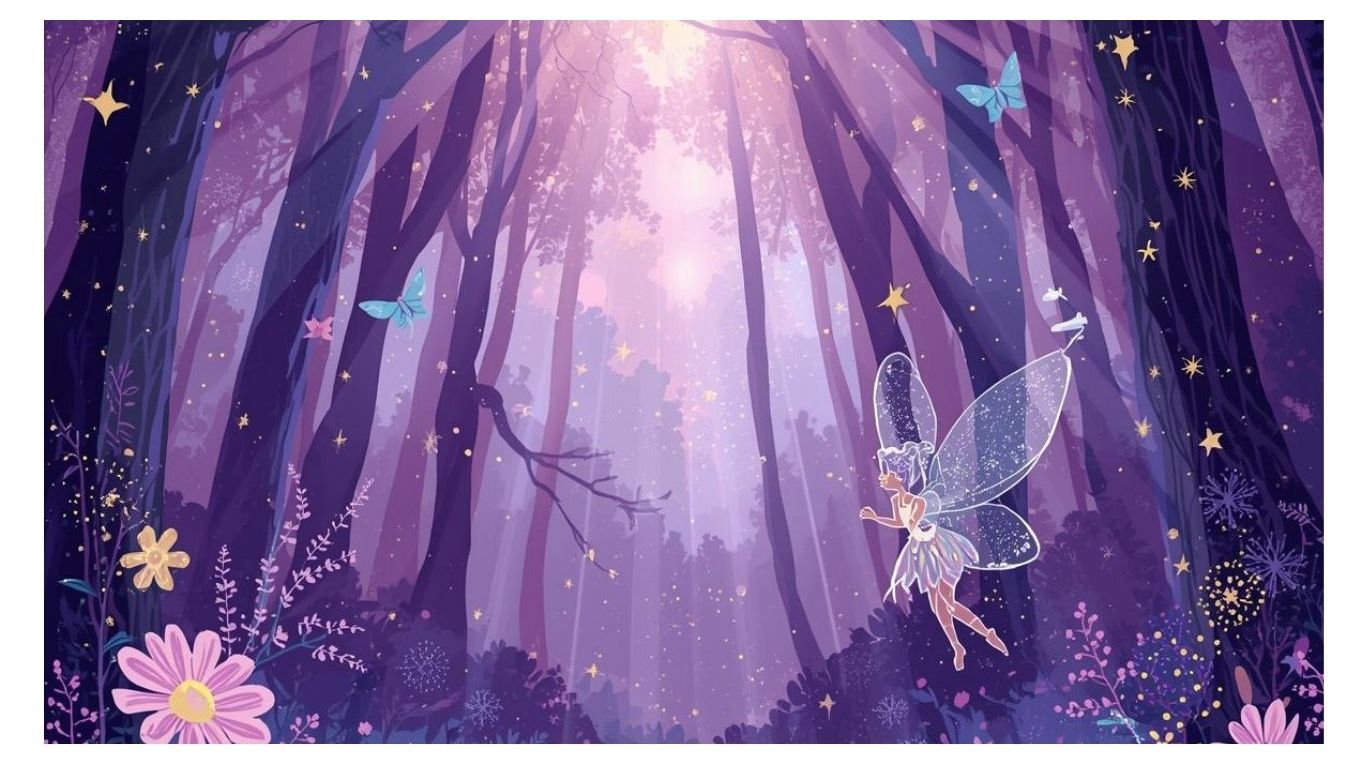
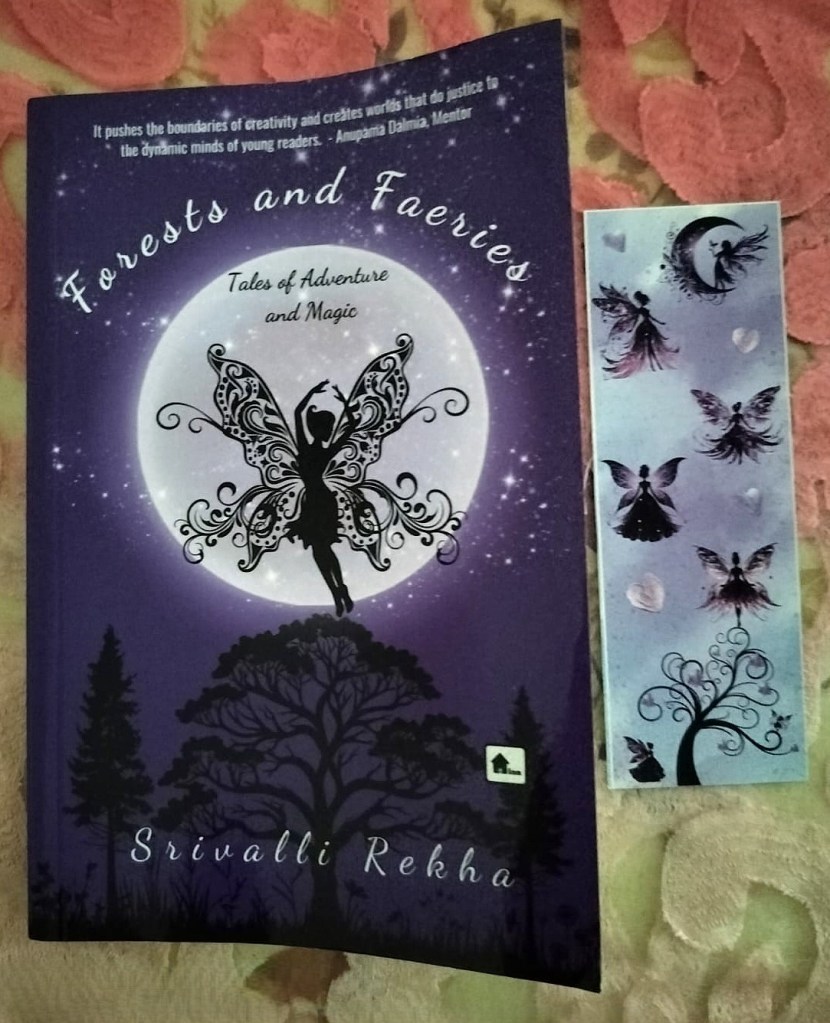
The 13 short stories written by Srivalli Rekha are bewitching tales that inspire good values along with rekindling the joyous magic of childhood.
- Values & Themes
- Stimulating the Five Senses
- Folklore and Cultural References
- Unique Style
- About the Author
Iridescent forests, dancing fairies, clever animals, enter Srivalli Rekha’s 21st-century magical realm, where a million invisible worlds reside. A book of short stories, Forests and Faeries is an outcome of her extensive reading and love for enchanting parallel universes thriving in harmony with our tangible planet.
A pagan at heart, Rekha’s lovely fairies are a far cry from the glittery Walt Disney ones; these are Edmund Spenser’s faeries. Inspired by his famous book The Faerie Queene (1590), Rekha has retained the old English spelling to represent mythical creatures and emerald forest inhabitants, sometimes helpful, and most of the time battling the upheavals of their own lands.
Rekha’s sweet little faeries may not be comfortable in our human world, but they are neither mischievous nor troublemaking. All the short stories make for perfect evening reads, especially for children under 13 years.
Values & Themes
Each story is a beautiful tale of becoming one with the invisible, respecting boundaries, and remaining open to friendly beings, for even strangers can be helpful.
With the primary theme of the victory of good over evil, the stories epitomise healthy relationships, companionship, friendship, loyalty, and other good values. Kindness, cautiousness, following the advice of elders, learning to say NO, and not getting carried away in a moment of anger or grief are other perspectives reflected through the tales.
Stimulating the Five Senses
I was especially enthralled by the nature elements. Rekha’s stories beautifully evoke natural landscapes such as forests, lakes, cattle, and celestial bodies like the Moon, Neptune, and Jupiter. The vivid descriptions awaken the five senses and stimulate the creative spark. From food to fear, the deeply touching scenes embody fruitful lessons.
References to trees with thick trunks behind which little siblings hide, the love for cattle as providers of food, animals using scent to recognise other beings are enticing, drawing attention to the biodiversity thriving here on Earth. The celestial landscapes of the Moon, Neptune, and Jupiter also layer the stories with science, reflecting the explorations undertaken by humans over centuries.
Each story ignites curiosity and awakens imagination. It encourages deeper exploration of a magical planet where every creature is interlinked, fostering community care, and promoting natural resources and need for a greener planet.
Folklore and Cultural References
It was interesting to find traces of folklore from other regions, such as Pachamama (the Mother Earth spirit from the Andes) or the tooth fairy popular in European lore. The rabbit who gets enticed by the Moon’s sweet promise reminded me of Pinocchio, while the brother-sister duo in Mira Learns a Lesson was nostalgic walk to the famous Hansel and Gretel from the Grimm Brothers’ fairy tales, fighting the evil witch.
Rekha goes a step ahead to create new names such as Zenxhi (pronounced Zin Kee) in The Prince of Neptune. This story reminded me of the Panchatantra tales, crafted by Pandit Vishnu Sharma to educate the princes of Mahilaropya, ruled by King Amarshakti, in statecraft and wisdom.
In The Prince of Neptune, Prince Tuten is exiled to Triton, the moon of Neptune, to learn the lessons of becoming a good ruler. The undisciplined prince discovers his true self with the help of ice faeries, as Neptune and its moon are frozen celestial bodies, backed by scientific studies. We also see a spacecraft from Earth landing there to collect data, clarified as not being a threat by the moon’s guardian Zenxhi, exasperated with the little prince.
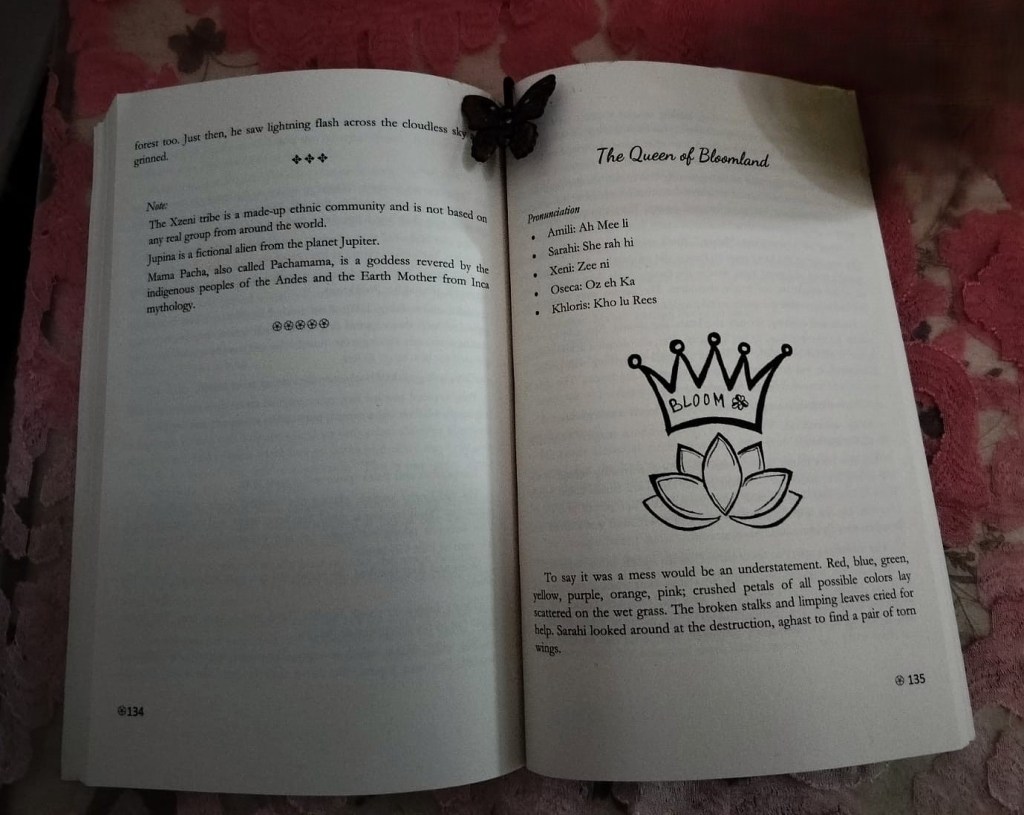
With each new name, Srivalli Rekha provides pronunciation guides and small notes elucidating the origins, including references to gases found on Neptune.
While all the stories create unique dimensions, three stood out for me: aptly titled, The Tooth Faerie’s Friend, it features Elle, a trainee tooth fairy who becomes a good friend with a child of African descent named Abena.
The Queen of Bloomland is about a fairy whose uncontrollably haywire magic does more harm than good to her kingdom. The duo Xeni and her adopted sister, Sarahi, emerge as archetypes of good governance, with the bloodline heir recognising her weakness and putting the kingdom’s welfare before her own inheritance and ego.
During the Storm appealed to me for its focus on a challenging contemporary issue. It entails an indigenous tribe, Xzeni whose homes are endangered by humans cutting down the trees. Thanks to the storm, Jupina, the alien crashes there, and saves the day for them. Then he is reclaimed by the lighting which carries him homeward to another planet. So much in sync with Jupiter’s benevolent attribute, as cited by ancient rishis of India.
The intertextuality enriches the stories, offering children exposure to diverse traditions while keeping them rooted in Indian storytelling.
Unique Style
The stories are rich in dialogue, making them conversational and engaging. There are no gory events or deeply disturbing incidents, ensuring you give Forests and Faeries a prized place on your bookshelf.
I have added Srivalli Rekha to my small list of Indian writers creating much-cherished worlds of fantasy, magic, and adventure. While I wait for a new magical book to come my way, I relive the charm of these enchanting fables during my coffee breaks.
About the Author
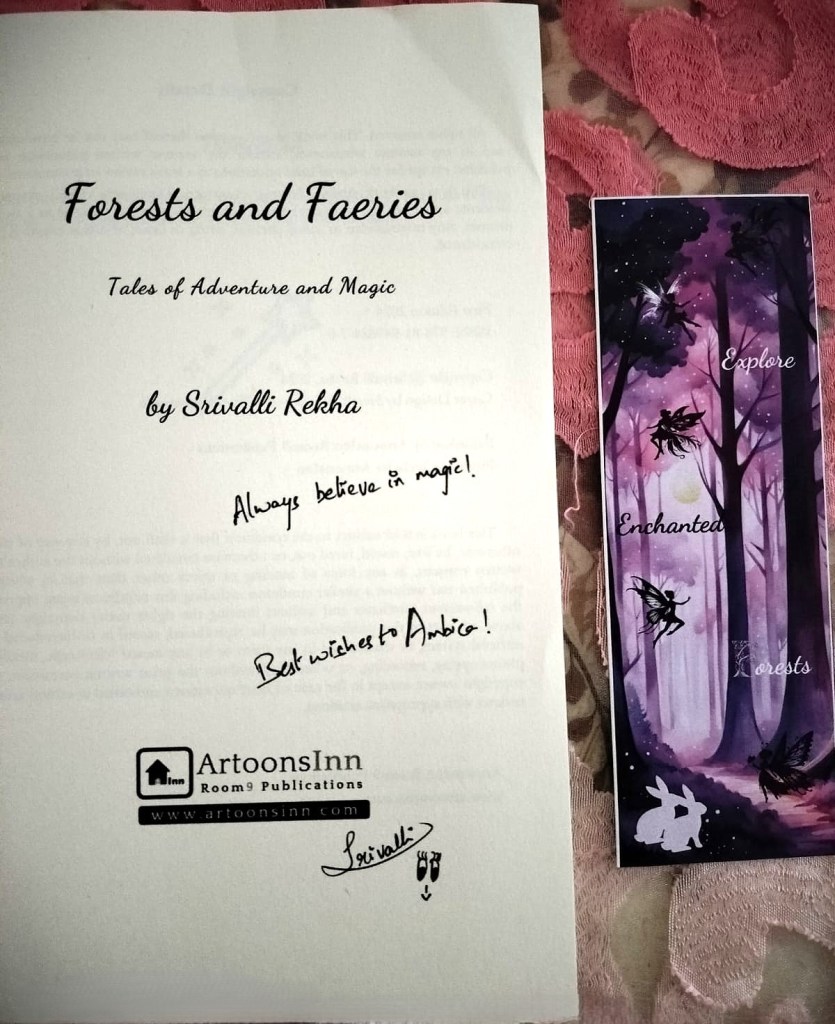
Armed with an MBA and an MA in English Literature, Srivalli Rekha is a freelance content writer. She also dons the hat of book editor, book cover designer, and bookmark creator. Hooked on music and paganism, she is also a budding tarot reader and totally fascinated by astrology. You can browse through her books here.
Book Details
- Publisher: Artoonsinn
- Language: English
- Paperback: 174 pages
- Price: INR 275
This review is powered by Blogchatter Book Review Program
You may also like to read
- The Mystery of the Forbidden Fort by Maulshree Mahajan
- Hong Kong Disneyland: Fragrant Harbour’s Fairy Tale
- India’s Heritage Games Make a Modern Comeback at Rootopia 2025
- Unlocking the Magic of Writing Books for Children: Tips and Tricks for Creating Engaging Stories
- Ostrich Girl by Lesley D. Biswas: Wilderness on a Tightrope
- My Favourite Comics and Illustrated Books
- The Book that Sparked a Lifelong Love of Reading
- Magical Enid Blyton: Unearthing Friendship, Adventure & Mystery
- Short Story: A Home of Our Own

 Queen of Treasures