
How Polish literature, music and ancestral memory found an unexpected expression in Delhi.
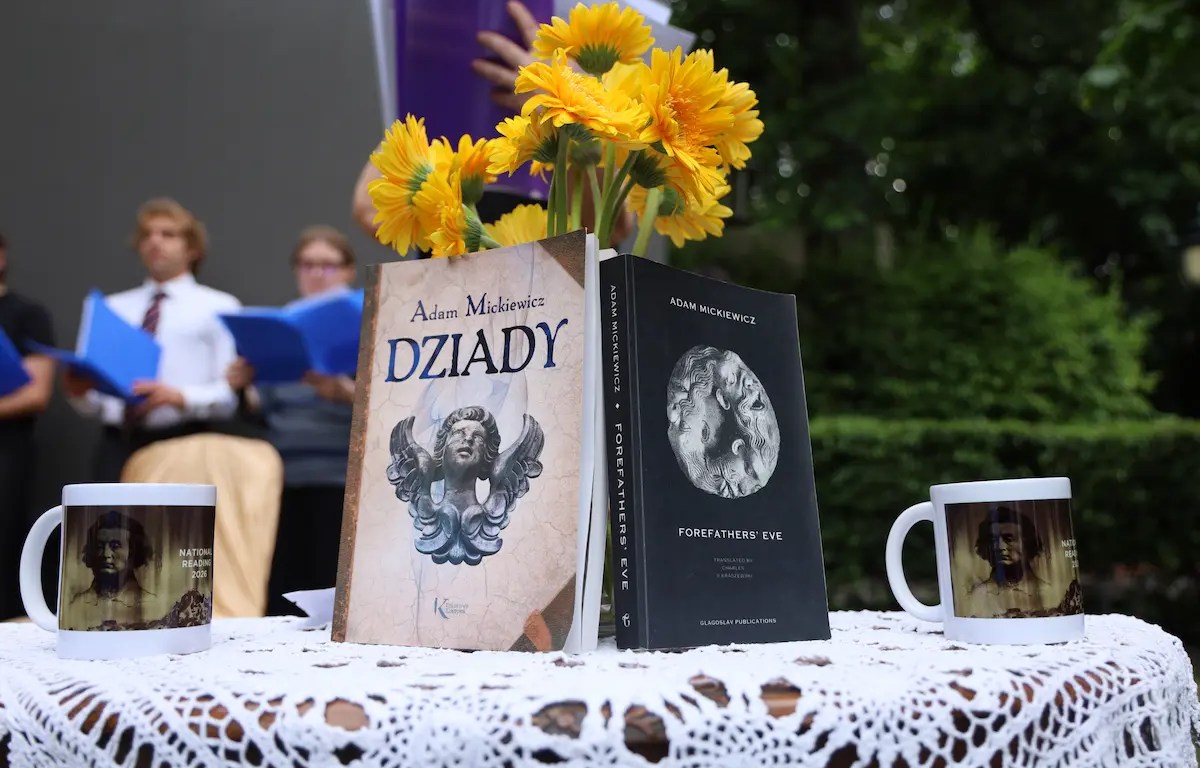
Very recently, I attended the Polish National Reading Day in Delhi.
Narodowe Czytanie, or National Reading, is an annual cultural initiative that brings Poles in Poland and around the world together to read and celebrate important works of Polish literature. It takes place on the first Saturday of September. Started in 2012 by the Polish Presidential Couple, Adam Mickiewicz’s Dziady was selected as the featured work for the 2026 edition.
Grass wet from the monsoon drizzle, dusky clouds hovering over swaying tree tops, marvellous Indian Flying Foxes (large fruit bats) circling in search of food and shrieking parakeets preparing for their bedtime made it the perfect setting for Mickiewicz’s Dziady, translated into English as Forefathers’ Eve.
The Romantic drama draws, among other things, on an ancient Slavic tradition centred around preserving the memory of ancestors through rituals, symbolism and a connection with nature.
That was my first connection with Mickiewicz, Poland’s national bard, and his famous Dziady. Interestingly, the reading was conducted in Polish and English.
It transported me to my English (hons) graduation days, to the Greek tragedies, purgatory, hell and heaven, and even our own ancestral rituals in India.
For centuries, ancestors here have been honoured with offerings from the earth: clothing, flowers, incense, sweets and, at times, jewellery and beds. Across cultures, the rituals may differ, but the thought is familiar. We remember those who came before us, and through that remembrance, keep a part of them alive.
And then there was a buffet, wine, coffee and cheesecake.
I was intrigued to discover that the worlds of Mickiewicz and Fryderyk Chopin, one of Poland’s most distinguished Romantic composers and virtuoso pianists, had come together in a rather unexpected form: Nocturne Cheesecake.
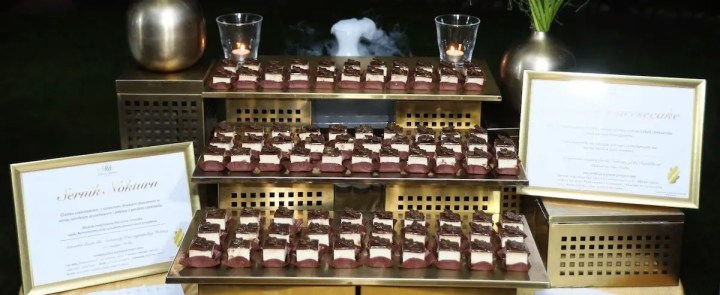
Created by Delhi-based Defence Bakery for the Embassy of the Republic of Poland in New Delhi, the cheesecake is an ode to creativity and the arts.
In both Chopin’s nocturnes and Mickiewicz’s Dziady, the night becomes a space for reflection, emotion and communion with the spiritual world.
Chopin’s nocturnes evoke mystery, melancholy and solitude. For some, they also carry a longing for the homeland.
Given the occasion, the cheesecake symbolised family warmth and Polish tradition, maybe also an ancestral offering of food.
Suddenly, the name of a cheesecake began to make sense.
A rich chocolate cake forms the base, layered with wine- and vanilla-cooked dried plums, cheesecake with roasted walnuts and a dark chocolate glaze. On top sits a handcrafted oak leaf touched with gold, bringing a soft glow.
Each element carries its own symbolism.
The oak leaf represents longevity, strength, protection and nature.
The walnuts symbolise wisdom, resilience and prosperity.
The plums evoke harvest and abundance.
The chocolate brings the mystery of the night.
A Polish ancestral tradition travels through literature to Delhi. Mickiewicz meets Chopin. Ancient rituals meet contemporary pastry. And suddenly, a dessert becomes a conversation between cultures.
Perhaps that is how heritage survives. And for those who want to experience a slice of this heritage, they can find the delish Nocturne Cheesecake at Defence Bakery.
I went to the reading knowing very little about Adam Mickiewicz. I came away thinking about ancestors, memory, homeland, music and the many ways cultures find new languages to tell old stories.
Ambica Gulati is a journalist, senior editorial professional and storyteller with 26+ years of experience across India’s media landscape, including Swagat and Outlook Traveller. Her work spans travel, culture, environment, global affairs and visual storytelling.
Through Big World, Small Stories, she looks beyond the obvious to explore the people, places, encounters and ideas that reveal something larger about our changing world.
More from the Archives

This post is a part of Blogchatter Half Marathon



What an informative post. Honesty, had never heard of the author, but now surely want to pick up his books and read as I am an avid history and mythology buff.
LikeLiked by 1 person
It was my introduction to the Polish author as well.
LikeLike