
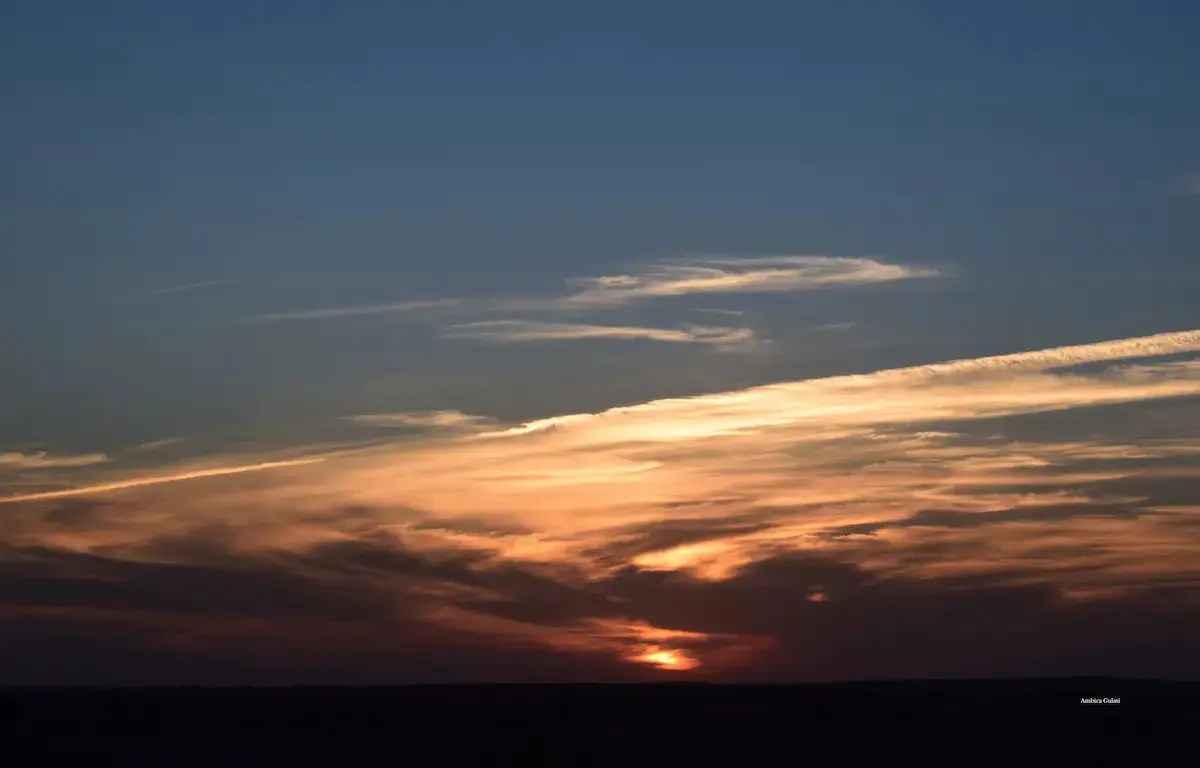
How ancient reverence, modern psychology, and moments across desert dunes and quiet riverbanks reveal the quiet power of nature’s daily curtain call.
Long before science began studying awe, we have been living with this wonder — science is only now reiterating what has existed since the beginning of time.
At least, I live in awe of Nature all the time. The colours are marvellous, and the variety infinite, be it birds, flora, fauna, seasons, sunrise, sunsets and even humans (although they are just varied, not so much marvel there).
I came across an article on BBC that focussed on the science of sunsets and awe. Studies on awe by Michelle Shiota, a professor of social psychology at Arizona State University, USA, show that awe can boost mental health.
Jennifer Stellar, a psychology researcher at the University of Toronto, Canada, says that watching sunsets can be a deeply immersive experience.
What is awe? The dictionary describes it as a powerful emotion combining wonder, respect, and dread, triggered by something vast, majestic, or deeply moving.
For ancient India, the sun was far more than a celestial body. It was associated with life, consciousness and illumination.
The rishis of India recognized the Sun as Pratyaksha Brahma—the visible form of the Divine, the ultimate source of Prana (life force) and consciousness. In Vedic astrology, sun is the atman, the soul.
In the Rig Veda, the Sun or Savitr is revered through the Gayatri Mantra, a prayer invoking the supreme light to illuminate the mind.
Aditya Hridayam, a sacred hymn dedicated to the Sun God, speaks of the Sun as the dispeller of darkness, sorrow, and mental fatigue.
Centuries of tradition, from Surya Namaskar at dawn to observing the quiet transition of Sandhyavandanam at sunset, were structured practices designed to align human consciousness with the rhythm of the cosmos.
Well, my tryst with sunsets may not go back to ancient India, but it is longer than the BBC article. I lived in a West-facing apartment, and watched the sky change colours before it went to sleep.
The mesmerising farewell would often leave me with a sense of dissolving, like iI had to do nothing but rest like the sun.
In fact, some of my memorable photographs are of sunsets.
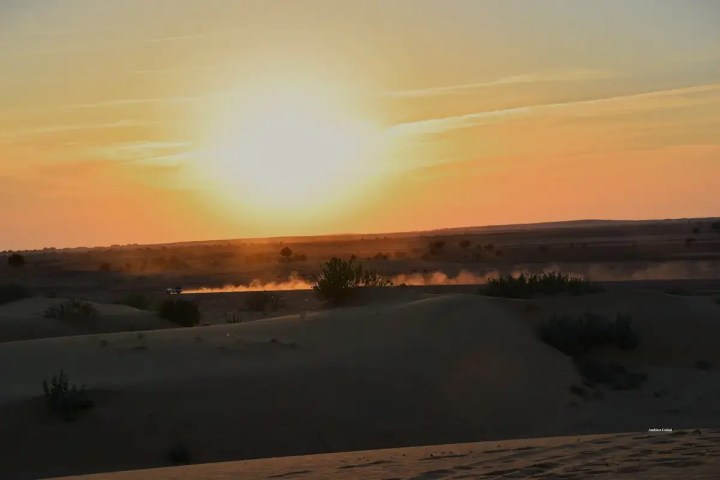
Looking back, the sun setting over the dunes of the Thar in Jaisalmer was a moment I would never forget. Standing amid the dunes, watching this glory unfold and change the colours of the sand, it was one of those ‘lost my voice’ moments. And I shared it only with myself because at that moment I was alone in that vast space, no one disturbed me.
In contrast, I watched the sun setting from a famous point in Nahargarh Fort in Jaipur. Watching it settle over the city’s clutter with a large crowd jostling for the best view, probably wasn’t the grandest of experiences, yet the beauty was heart-tugging.
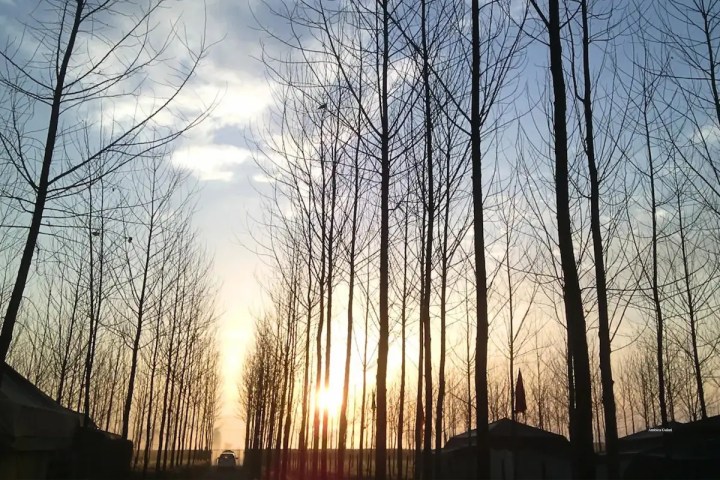
Another sunset that made me wish I could touch the rays was over the Sutlej River in Anandpur Sahib. As the intensity of the rays dimmed through the thickets and pathway between tall eucalyptus trees, I stood mouth wide open.
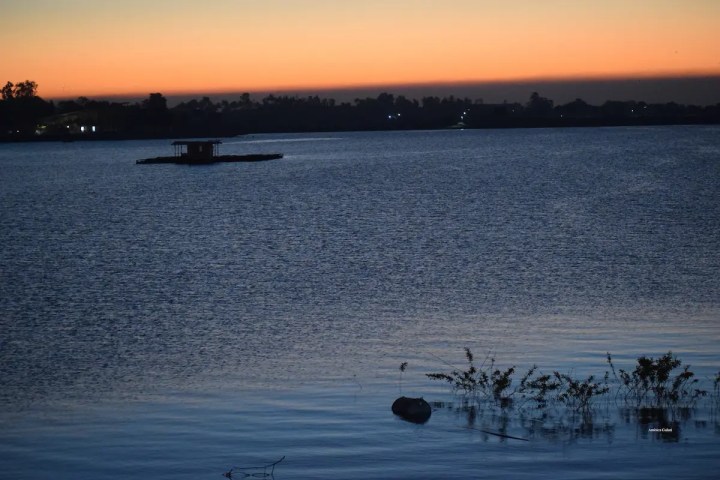
But it was the sun rising and setting over the Gangapur Dam in Nashik that connected me with the absolute beauty of the planet. It doesn’t matter which part of the world you are in, the sun is the same, and its glory same. It stands for oneness that philosophers and mystics rave about.
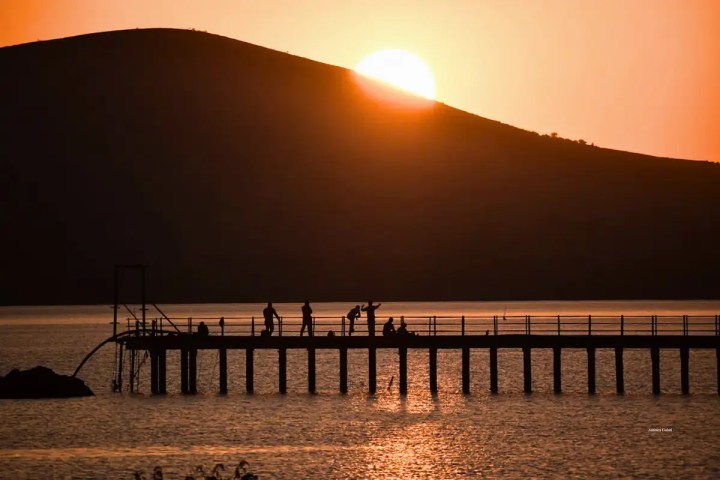
Now, coming back to the science of sunsets, researchers say that when we observe something larger than ourselves, we become part of the grander scheme of things. In immersive experiences, the brain breaks the loop of thoughts, thereby giving room to make new thoughts.
The shifts can be felt in our body, mind and spirit — physical health benefits as stress comes under control, mental health shifts towards more creative ways of thinking, and the spirit, perhaps, finds a bigger sense of purpose.

I have since shifted to another apartment, even higher up. And the sunset from my glass door is an even more immersive experience. With more sky visible, it leaves me in awe of Nature’s grandeur on a daily basis.
I might have calmed my nervous system with walks, sunsets and meditation, but now, I have to live with them for the rest of my life. Else, I would face abandonment issues, stress issues and not having a sunset view would mean FOMO issues.
Well, I could go on and on about sunsets and sunrises and the many things in the natural world that leave me in awe.
But don’t ask me about awe in relation to the dense city life.
Ambica Gulati wears many hats: independent journalist, editor, multimedia storyteller, author and fiction writer. Her work moves between global affairs, conscious travel, the environment, culture and the intuitive arts, while her fiction explores the territories where nature, memory, mystery and imagination converge.
Beyond the laptop, she nourishes her creative practice through meditation, birding, reading, journaling, oracle cards, and yoga.
I also facilitate workshops exploring the art of journaling, understanding intuition, and cultivating our intuitive and creative faculties through reflective writing, creative exercises and simple practices for greater self-awareness.
More Big World, Small Stories

Support the stories. Explore my LICENSED PHOTOGRAPHS & VIDEOS on GETTY/ISTOCK
This post is a part of Blogchatter Half Marathon


I am always with you in the awe of nature. Be it the birds, the rustle of leaves, the ripples of water or just the silence of the forests, I am a nature’s child. Green is my favourite colour! Thankfully, our bedrooms face the west, so I am fortunate to witness the candy coloured sky and watch the sun go down every single day!
LikeLiked by 1 person
Candy coloured sky. I like that term🌆
LikeLike