
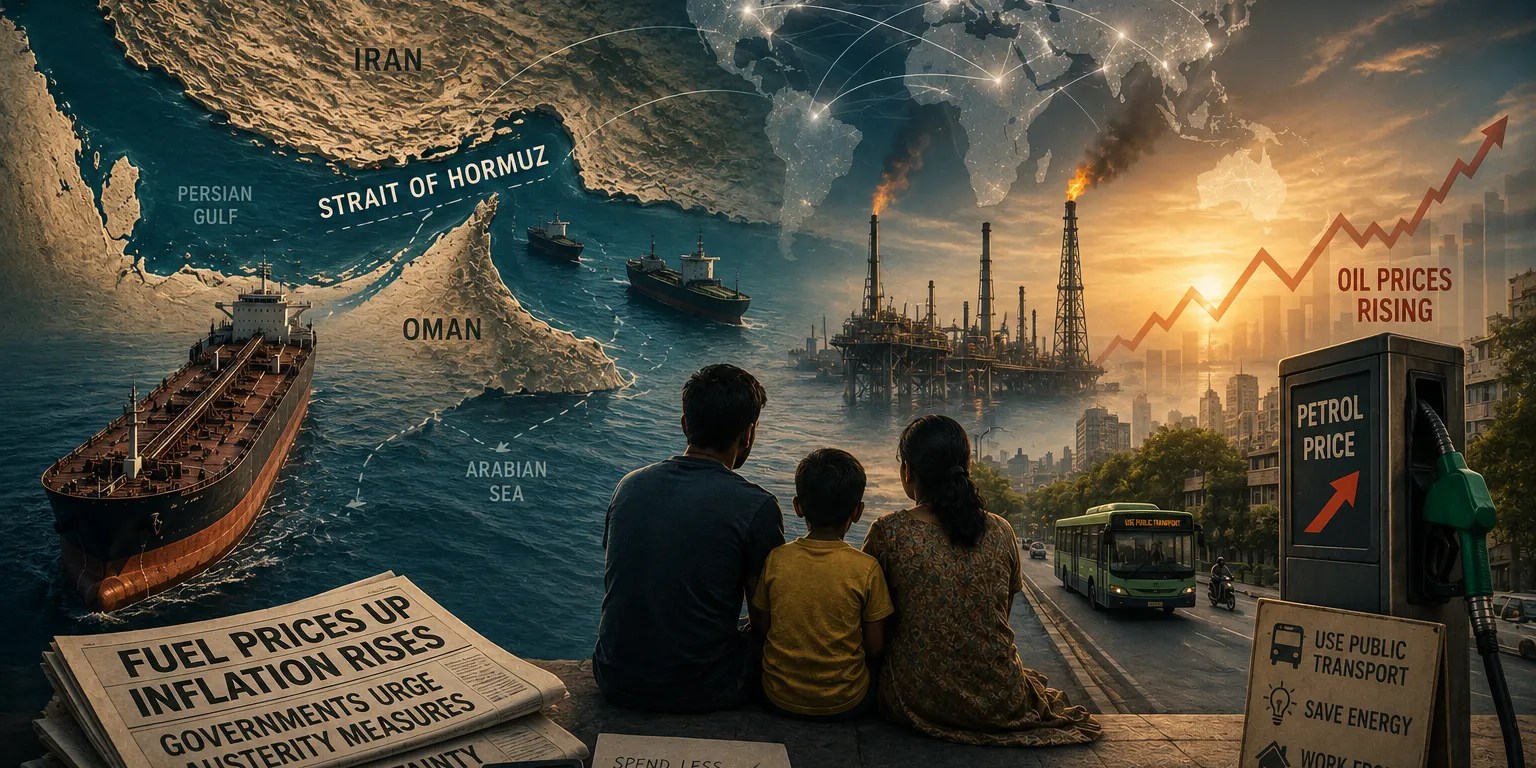
Why Governments Are Asking Citizens to Cut Back.
Delhi is suddenly a quieter city to drive in. The normal choc-a-bloc roads are surprisingly navigable, the crescendo of horns has dimmed, and rage drivers seem fewer in number. On May 11, while passing through Lodhi Road and Nizamuddin around 9 pm, I found myself staring at an easy crossing that would have been unimaginable in my three decades of driving in the capital.
The Delhi Metro feels emptier too, say office-goers and regular commuters. The 7-point austerity plan announced by Prime Minister Narendra Modi on May 10 appears to have entered public behaviour. A rise in fuel and milk prices was announced on May 15.
The reaction was swift, not just on the streets, but on Dalal Street. Following the appeal, the Indian stock market experienced a severe rout, with hotel, travel, real estate, and consumer durable stocks taking a massive hit. Critics and opposition leaders insist that “leaders must practise what they preach,” arguing that austerity cannot simply trickle downward while political spectacle continues upward.
Since the escalation between the United States, Israel, and Iran in February 2026, the ripple effects have been relentless. Despite a fragile ceasefire, the Strait of Hormuz remains effectively closed to commercial shipping due to prohibitive insurance risks and Iranian warnings. As a result, even street food has become expensive. LPG anxieties, rising transport costs, and the falling rupee have nudged geopolitics into our mundane lives.
Most citizens may not follow the intricacies of maritime trade routes or global energy markets. But we understand when auto fares rise, grocery bills swell, and office parking lots begin to thin out.
The Strait of Hormuz, once just another name memorised for geography exams, has suddenly become the invisible thermostat of the global economy.
What happens in this narrow waterway now ripples outward into fuel prices in Delhi, electricity shortages in Pakistan, LNG anxiety in Europe, and work-from-home advisories across Asia.
As tensions in West Asia escalate in 2026, governments across continents are reviving a vocabulary many people associate with wartime economies or the Covid era: austerity, conservation, rationing, remote work, and controlled consumption.
What Is the Strait of Hormuz?
Located between Iran and Oman, the Strait of Hormuz connects the Persian Gulf to the Arabian Sea and the Indian Ocean. It is one of the most important maritime chokepoints in the world.
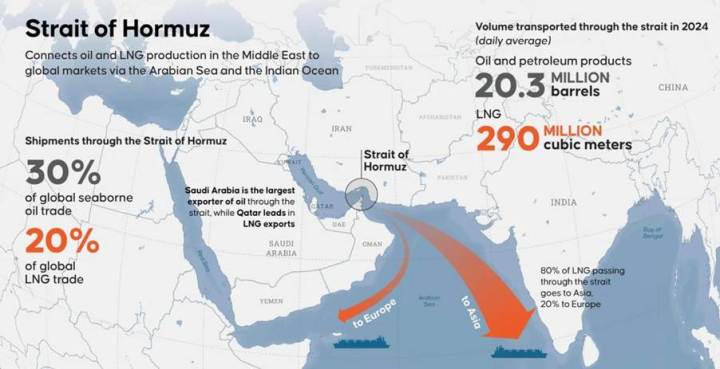
Before the current crisis:
- Around 20% of the world’s petroleum liquids passed through it daily
- Nearly 20% of global LNG shipments moved through this corridor
- Roughly 85% to 90% of crude moving through Hormuz was destined for Asian economies
For countries like India, China, Japan, and South Korea, the dependency is especially acute.
If shipping slows here:
- Fuel prices rise
- Inflation spreads
- Shipping becomes more expensive
- Airlines suffer
- Fertilizer prices climb
- Governments begin discussing austerity
A narrow sea passage suddenly begins rearranging daily life thousands of kilometres away.
India’s New Austerity Age
The government’s 7-point austerity action plan reflects growing anxiety over fuel imports, foreign exchange reserves, and inflationary pressure.
Fuel and Energy Conservation
Citizens have been urged to:
- Reduce petrol and diesel usage
- Prefer public transport
- Adopt electric vehicles
- Avoid unnecessary travel
The government has also encouraged a revival of Covid-era work-from-home systems and virtual meetings to reduce transit fuel consumption.
Protecting Foreign Exchange Reserves
The Prime Minister advised against:
- Non-essential foreign travel
- Overseas destination weddings
- Luxury spending abroad
Rising oil prices sharply increase import bills and place pressure on India’s foreign exchange reserves.
Reduction in Gold Purchases
Citizens have also been encouraged to reduce non-essential gold purchases. The rationale is stark: gold imports are paid for in US dollars. Every ounce of gold bought drains the very foreign exchange reserves India desperately needs to pay for now-exorbitantly expensive crude oil. India’s appetite for gold has long affected its trade balance during periods of economic stress and currency volatility.
Agricultural Advisory
Farmers were encouraged to reduce fertilizer usage where possible, reflecting concerns over rising agricultural input costs linked to global energy disruptions.
The move has triggered political debate. Opposition leaders argue that austerity must begin with visible cuts in elite expenditure and state excess before ordinary citizens are asked to tighten spending.
Furthermore, critics point out a glaring socioeconomic divide: work-from-home is a privilege of the formal, white-collar sector. The vast majority of India’s workforce—in manufacturing, the gig economy, and construction—cannot log in remotely. They must remain on the roads, bearing the immediate, unavoidable brunt of rising transport and living costs.
The Quiet Ways Geopolitics Enters Everyday Life
The most startling aspect of the Hormuz crisis is not military escalation. It is how quickly geopolitics invades ordinary routines.
The extra ₹20 for a cab ride. The costlier cooking oil used by a neighbourhood momo stall. The postponed family holiday. The office asking employees to work remotely twice a week to reduce fuel usage.
Geopolitics often arrives disguised as inconvenience. A container rerouted around Africa may take two additional weeks to arrive, quietly increasing the price of electronics, imported goods, aviation fuel, and even food ingredients.
The age of invisible supply chains suddenly feels very visible indeed.
Why Asia Feels the Sharpest Shock
Asian economies are especially vulnerable because most Gulf oil exports move eastward. Countries across Asia and the Middle East have introduced emergency conservation measures.
Pakistan
Pakistan extended its austerity drive until June 2026. Measures include:
- 50% cuts in fuel allowances for official vehicles
- Grounding nearly 60% of government vehicles
- Restrictions on non-essential foreign travel
- Energy limits amid prolonged blackouts
Sri Lanka
Sri Lanka introduced: A four-day work week for public employees, QR-code-based fuel rationing
Jordan
Jordan reportedly: Restricted air conditioning in government offices, Limited official travel
Bangladesh
Bangladesh imposed minimum temperature settings for air conditioners in government buildings, banks, and mosques to conserve electricity.
Southeast Asia
Countries including: Indonesia, Thailand, Malaysia, Cambodia, Philippines, Vietnam Have encouraged:
- Remote work
- Online meetings
- Reduced commuting
- Public transport usage
- Controlled cooling temperatures
China
China has reportedly imposed restrictions on non-essential power usage while simultaneously increasing strategic reserves and diversifying energy routes.
Why the United States Looks More Insulated
Many observers wonder why the United States appears less disrupted on the surface. The answer lies in the shale revolution.
Over the past two decades, the US transformed itself into one of the world’s largest oil and gas producers. That gives it:
- Greater domestic supply security
- Reduced dependence on Gulf crude
- A stronger price buffer
Instead of severe shortages, American energy firms are benefiting from elevated prices and expanded exports.
Yet the US is hardly untouched. Higher oil prices still contribute to:
- Inflation
- Shipping instability
- Political pressure
- Global market volatility
Europe’s Hidden Energy Anxiety
Europe is facing a secondary energy shock. Unlike Asia, Europe is less dependent on Gulf crude for immediate survival, but it remains vulnerable to LNG disruptions and refined fuel shortages.
The consequences include:
- Rising natural gas prices
- Reduced jet fuel availability
- Higher industrial costs
- Government intervention packages
Countries such as Germany and France have revived energy-saving campaigns, while Spain has explored emergency economic support measures.
Europe is also attempting to avoid deeper military escalation while exploring independent maritime security arrangements.
Japan, Australia, Russia and the Wider World
Japan: The Triple Vulnerability
Japan remains one of the most exposed advanced economies. After the Fukushima Daiichi nuclear disaster, Japan increased LNG dependence, much of which travels through Hormuz.
That creates a dangerous triangle: Oil imports, LNG imports, Shipping route dependence
Japan has responded through: Strategic reserve releases, Energy-saving campaigns, Reduced lighting in office districts, Renewed nuclear-energy discussions.
Australia: Protected, Yet Not Immune
Australia is relatively insulated because it exports LNG and possesses large natural resources. But it still faces: Higher petrol prices, Costlier freight, Shipping disruptions, Inflationary pressure
Russia: Strategic Winner and Risk Carrier
Russia benefits from higher oil prices because energy exports remain central to state revenue.
Countries trying to reduce Gulf dependence may increase purchases from Russia despite geopolitical tensions.
But Russia also faces: Shipping insurance risks, Sanctions complications, Infrastructure strain, Market volatility.
Africa: The Hidden Casualty
Africa often receives less attention in energy crises, but many African economies are highly exposed to: Fuel import costs, Food inflation, Fertilizer shortages, Shipping disruptions.
Countries already carrying heavy debt burdens can face severe currency pressure when oil prices surge. Import-dependent economies in East Africa are especially vulnerable because Red Sea shipping disruptions affect regional logistics directly.
The Forgotten Crisis: Food, Fertilizer and Shipping
The Strait of Hormuz crisis is not only about petrol pumps. It affects:
- Fertilizers
- Plastics
- Aviation
- Food logistics
- Shipping insurance
- Manufacturing
- Consumer prices
Nitrogen fertilizers depend heavily on natural gas production. Energy disruptions can therefore evolve into agricultural and food crises months later.
This is why governments are suddenly discussing: biofertilizers, local food systems, strategic reserves, and reduced wastage.
The world economy behaves less like separate national markets and more like a tightly wired electrical grid. A disruption in one corridor can dim lights continents away.
How the Strait Became the World’s Energy Lifeline
The importance of the Strait of Hormuz did not begin with oil. For centuries, it formed part of the maritime Silk Route connecting India, Persia, Arabia, China, the Mediterranean world.
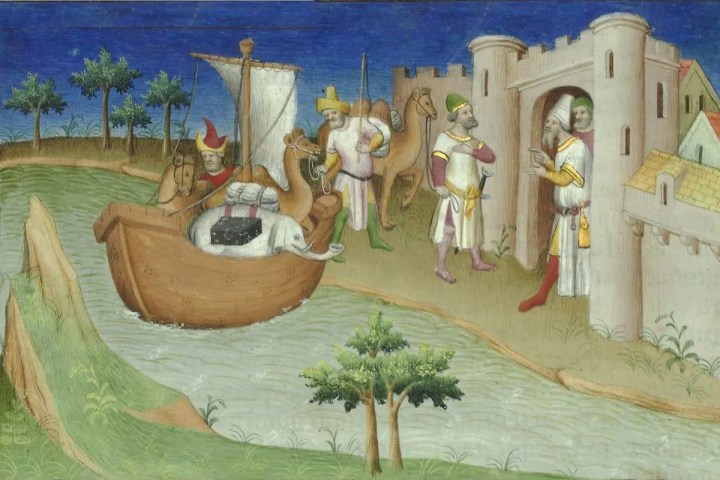
The medieval Kingdom of Hormuz became a wealthy trading hub known for spices, pearls, silk, horses, and porcelain. Later:
- The Portuguese captured Hormuz in 1515
- The English East India Company allied with Persia to expel them
- Britain eventually established dominance over Gulf trade routes linked to British India
The strait’s modern geopolitical importance exploded after oil discoveries in Persia in 1908, post-World War II industrial growth, and the rise of Gulf petroleum economies in the 20th century.
At its narrowest navigational channels, supertankers move through shipping lanes only a few kilometers across. Inbound routes pass through Iranian territorial waters, while outbound lanes move through Omani waters, making the area permanently geopolitically sensitive.
The Tanker War and the Shadow of History
The current crisis echoes the 1984-1988 “Tanker War” during the Iran-Iraq conflict. At that time:
- More than 500 commercial vessels were attacked
- Oil tankers required military escorts
- The US launched naval protection operations in the Gulf
But there is one critical difference between then and now. During the 1980s, the objective was disruption. In 2026, the fear is systemic paralysis.
A near-total shutdown of Hormuz traffic threatens not just regional economies but the architecture of global trade itself.
Can the World Bypass Hormuz?
Alternative pipelines do exist: Saudi Arabia’s East-West pipeline and the UAE’s Habshan-Fujairah pipeline. But these systems cannot fully replace the enormous volume moving through Hormuz daily.
The problem becomes even more severe when disruptions also affect the Red Sea and Suez Canal routes. Cargo ships rerouting around Africa’s Cape of Good Hope face:
- Longer transit times
- Higher insurance costs
- Delayed deliveries
- More expensive goods
The result is a bottlenecked global economy where shipping, fuel, aviation, fertilizers, inflation, and food supply chains begin moving together like gears inside a strained mechanical clock.
The Geography Lesson That Became Everyday Life
The Strait of Hormuz is no longer merely a naval flashpoint discussed by diplomats and military analysts.It now influences:
- Grocery bills
- Airline tickets
- Electricity costs
- Wedding budgets
- Office attendance
- Remote work policies
- Consumer lifestyles
Perhaps that is why the quieter Delhi roads feel strangely symbolic. Somewhere between the dimmer office buildings, postponed vacations, rising LPG prices, and less crowded commutes, geography has become more life, less abstract.
A narrow waterway between Iran and Oman has entered kitchens, conversations, and daily routines across the world.
The world is learning, once again, that narrow waterways can govern very large destinies.
Sources & Further Reading
Government & Energy
International Energy Agency (IEA)
UN Trade and Development (UNCTAD)
Ministry of Petroleum and Natural Gas, India
Geopolitical Analysis
International Crisis Group
CSIS (Center for Strategic and International Studies)
Reporting & News
Firstpost
Reuters
The Hindu
Al Jazeera
Ambica Gulati is a journalist and editor whose work explores global affairs, travel, environment, and the intuitive arts. From short stories to wellness mantras, she focuses on meaningful experiences in a complex world.
From the Archives
If you enjoyed reading this, you may like to continue the journey


Chilli importers in UAE play a significant role in meeting the country’s growing demand for spices and food ingredients. These importers source dried chillies, chilli powder, and premium spice varieties from leading exporting countries. The UAE serves as a major trading hub for the Middle East, offering excellent opportunities for chilli exporters. By connecting with verified chilli importers in UAE, suppliers can access bulk buyers, distributors, wholesalers, and food processing companies. Strong demand, efficient logistics, and a thriving food industry make the UAE an attractive market for international chilli trade.
LikeLike